
Barakah Culture vs. Hustle Culture: Islamic Principles of Meaningful Time Management
The Modern Crisis of Productivity: Why 'Hustle' Isn't Enough
In the age of relentless digital connectivity, the global workforce is gripped by Hustle Culture—a mindset that equates human worth with constant output and material gain. While this approach promises success, it often delivers burnout, anxiety, and a profound sense of spiritual emptiness. For the modern Muslim, this creates a friction between secular professional demands and the internal call for worship.
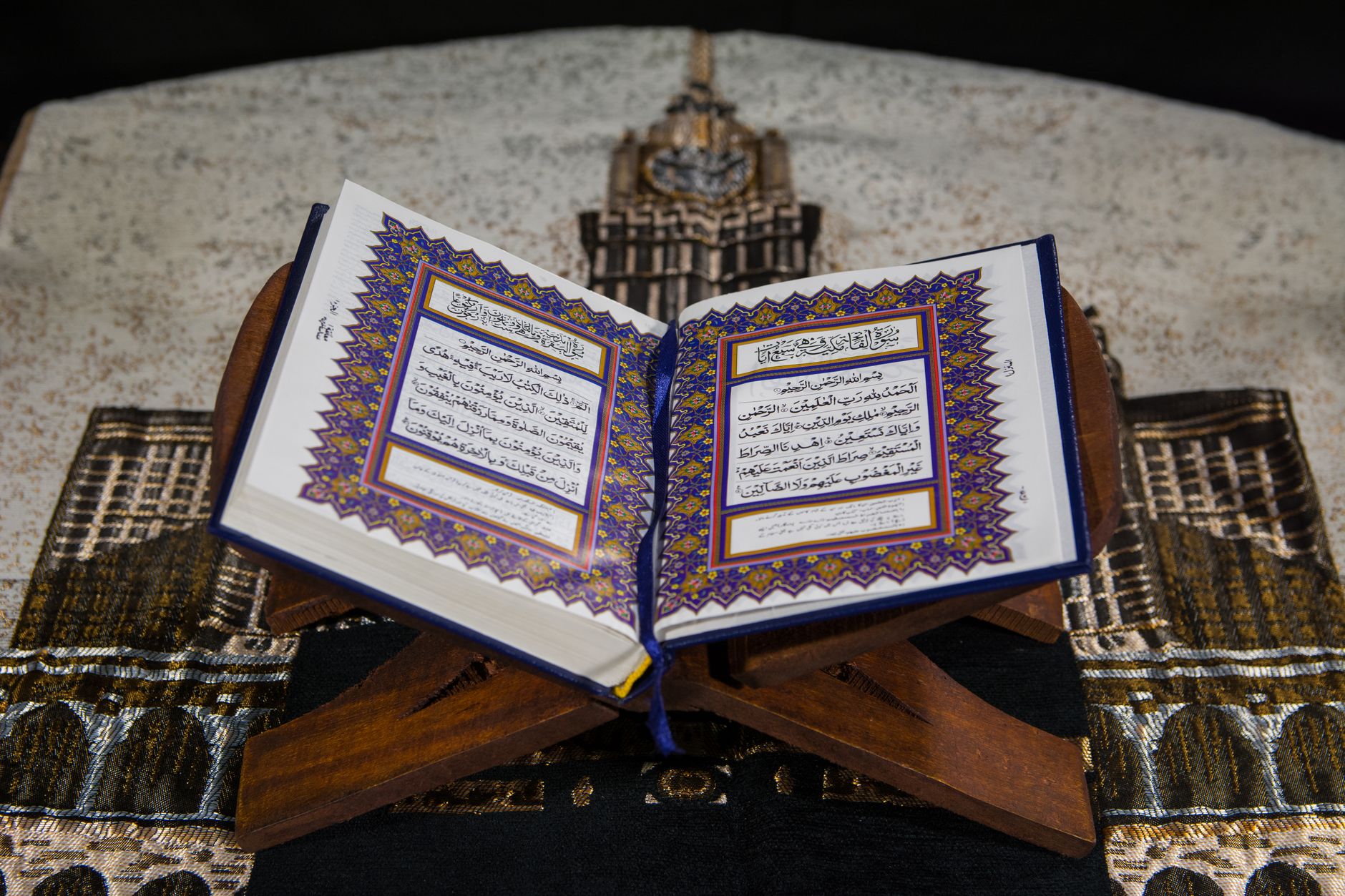
Contrast this with Barakah Culture. Rooted in the teachings of the Holy Quran, Barakah is the 'Divine Increase'—the presence of God’s blessing in a thing that makes a small amount go a long way. It is not about doing more; it is about doing better for the sake of the Creator.
Defining the Two Paradigms
To understand the shift, we must look at the core drivers of each culture. Hustle culture is quantitative; it measures hours worked and dollars earned. Barakah culture is qualitative; it measures the purity of intention (Niyyah) and the impact of one's actions on the Hereafter.
Comparison: Hustle Culture vs. Barakah Culture
| Feature | Hustle Culture | Barakah Culture |
|---|---|---|
| Primary Goal | Profit & Fame | Pleasure of Allah (SWT) |
| Metric of Success | Quantity (More is better) | Quality (Blessing in the little) |
| Work Ethic | Sleep deprivation / 'Grind' | Striving (Ihsan) & Rest |
| Source of Strength | Self-reliance (Ego) | Reliance on Allah (Tawakkul) |
The Foundations of Islamic Time Management
Islamic time management isn't about sophisticated apps; it's about aligning one's biological and spiritual clocks. The rhythm of a Muslim’s day is dictated by the five daily prayers. By checking accurate Prayer Times, a believer anchors their day in the Divine, preventing the 'work-life blur' that characterizes the hustle mindset.
1. The Fajr Paradigm: The Golden Hour
The Prophet Muhammad (PBUH) said: "O Allah, bless my nation in their early mornings." Barakah culture prioritizes the hours before and after dawn. While the world sleeps, the seeker of Barakah finds clarity. Starting the day by finding the right direction with a Qibla Finder and performing Fajr sets a spiritual tone that no caffeine-fueled hustle can replicate.
2. Wealth Management as a Spiritual Act
Hustle culture encourages hoarding; Barakah culture encourages flow. We believe that by giving, our wealth increases. Whether you are calculating your annual dues via a Zakat Calculator or planning for the future of your family using an Inheritance Calculator, these acts of financial obedience invite Barakah into your earnings, ensuring that what you earn is 'Tayyib' (pure).
How to Transition from Hustle to Barakah
- Purify Intentions: Ask yourself, "Why am I doing this?" If it's for ego, Barakah flees. If it's for providing for your family and serving the Ummah, Barakah enters.
- Schedule Around Salah: Don't squeeze prayer into your meetings; squeeze meetings between your prayers. Check your local Prayer Times to build a framework for your day.
- Practice 'Tawakkul' (Trust): Do your absolute best (Ihsan), then leave the results to Allah. This eliminates the 'anxiety of outcome' prevalent in hustle culture.
- Avoid the 'Haram' Shortcuts: Riba (usury) and deception might offer quick growth in the 'hustle' world, but they evaporate Barakah. True success lies in ethical dealings.
Conclusion: The Sustainable Path
Hustle Culture is a sprint toward a vanishing horizon. Barakah Culture is a journey toward an eternal destination. By integrating Islamic principles—such as regular prayer, ethical wealth management through tools like the Zakat Calculator, and constant reflection on the Quran—we can achieve more with less. Embrace the Barakah; your soul will thank you.
Expertly curated by the Muslim Tools team
© 2026 Muslim Tools. All rights reserved.