
A Beginner’s Step-by-Step Guide to Performing Umrah: Rites, Tips, and Essential Duas
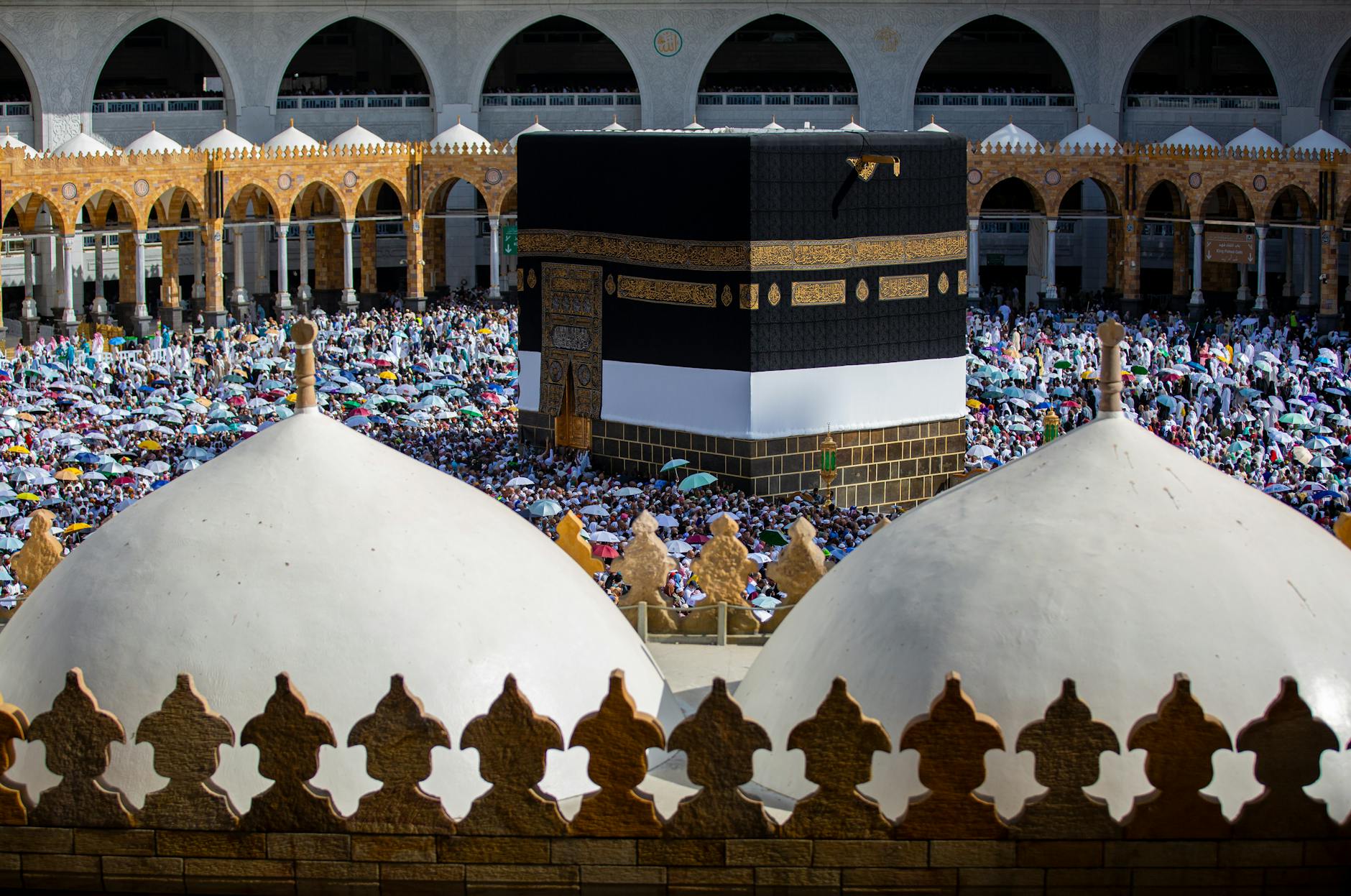
Introduction to the Spiritual Journey of Umrah
Performing Umrah is often referred to as the 'minor pilgrimage.' While Hajj is mandatory for those who are able, Umrah is a highly recommended Sunnah that offers a profound spiritual reset. For a beginner, the journey to the Masjid al-Haram in Makkah can feel overwhelming. This guide simplifies the process into actionable steps, ensuring you remain focused on your devotion.
Preparation Before You Leave
Success in Umrah begins long before you board the plane. It requires physical stamina, mental clarity, and spiritual purity. Before departing, ensure all your worldly affairs are in order. This includes resolving debts and ensuring your financial obligations are met. Many pilgrims find it beneficial to use a Zakat Calculator to ensure their wealth is purified before embarking on this sacred journey. Furthermore, it is wise to settle matters of estate planning using an Inheritance Calculator to provide peace of mind for your family.
The Four Pillars of Umrah
Umrah consists of four essential rites that must be performed in order:
1. Ihram: The State of Purity
Ihram is the formal intention to perform Umrah. For men, this involves wearing two seamless white cloths; for women, it is their ordinary modest clothing. You must enter the state of Ihram before crossing the Meeqat (boundary).
- Ghusl: Perform a full-body ritual purification.
- Niyyah: Declare your intention: "Labbayka Allahumma Umrah".
- Talbiyah: Recite the Talbiyah continuously until you reach the Kaaba.
2. Tawaf: Circling the Kaaba
Upon arriving in Makkah, you will perform Tawaf—circling the Kaaba seven times in an anti-clockwise direction. Each circuit begins and ends at the Hajar al-Aswad (Black Stone). While the Kaaba is the focal point, you can use a Qibla Finder during your travel or at your hotel to ensure you are always oriented correctly for your daily prayers.
3. Sa’i: Walking Between Safa and Marwa
Sa’i commemorates the struggle of Hajar (AS). You will walk seven times between the hills of Safa and Marwa. This is a time for deep reflection and intense Dua. Many pilgrims carry a pocket version of the Quran to recite verses during the quieter moments of their journey.
4. Halq or Taqsir: Completion of Rites
To exit the state of Ihram, men must shave their heads (Halq) or trim their hair (Taqsir), while women trim a small portion of their hair. This symbolizes a spiritual rebirth and the shedding of past sins.
Essential Duas for Umrah
| Rite | Supplication (Dua) |
|---|---|
| Entering Masjid al-Haram | "O Allah, open the gates of Your mercy for me." |
| During Tawaf | "Rabbana atina fid-dunya hasanatan wa fil-akhirati hasanatan..." |
| At Safa/Marwa | Recitation of Surah Al-Baqarah, verse 158. |
Pro-Tips for First-Timers
- Stay Hydrated: Drink plenty of Zamzam water, which is readily available.
- Check Prayer Times: Makkah is bustling during Salah. Use local Prayer Times to plan your Tawaf around congregational prayers to avoid extreme crowds.
- Comfortable Footwear: While you perform Tawaf and Sa’i barefoot or in socks, have comfortable shoes for walking between your hotel and the mosque.
- Patience: You will encounter thousands of people from different cultures. Maintain your Akhlaq (character) at all times.
Conclusion
Umrah is a journey of a lifetime. By following these steps and preparing your heart, you can fulfill this sunnah with excellence. May Allah accept your pilgrimage and grant you a transformed spirit.
Expertly curated by the Muslim Tools team
© 2026 Muslim Tools. All rights reserved.