
Beyond the Masjid: Creative Ways to Build a Spiritual Environment in Your Muslim Home
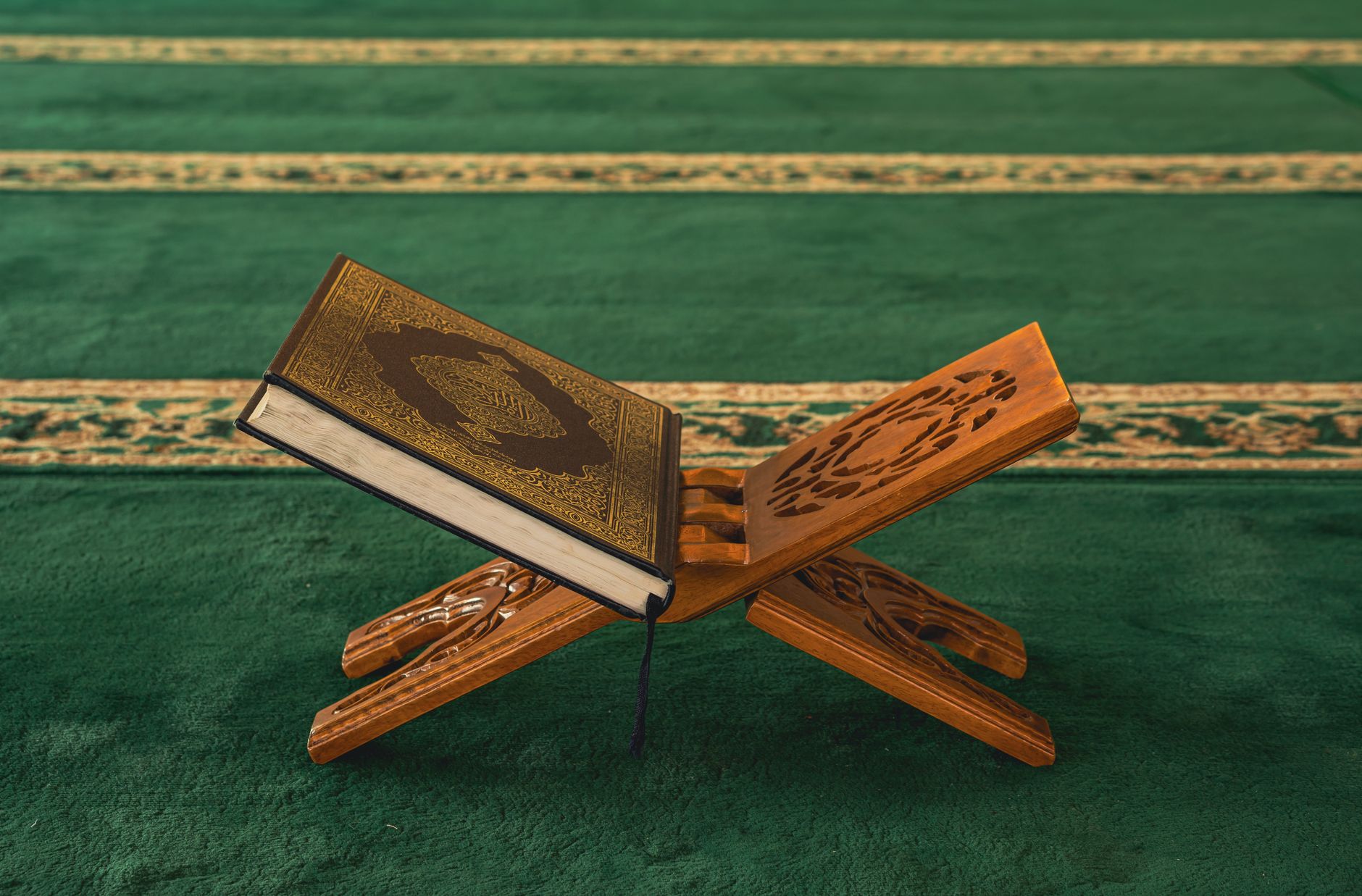
Beyond the Masjid: Creative Ways to Build a Spiritual Environment in Your Muslim Home
The masjid (mosque) stands as the undisputed heart of the Muslim community, a blessed space for congregational prayers, learning, and gathering. Yet, Islam's holistic nature emphasizes that spirituality isn't confined to sacred structures but permeates every aspect of life, especially within the home. In an era teeming with distractions, intentionally cultivating a spiritual environment in our Muslim homes is not merely beneficial; it's essential for nurturing strong faith, character, and familial bonds.
The Home as a Sacred Sanctuary: Why it Matters
Our homes are more than just dwellings; they are reflections of our inner lives and foundations for our children's spiritual development. The Prophet Muhammad (peace be upon him) emphasized the importance of bringing blessings into our homes, famously stating, “Do not turn your houses into graves. Indeed, Shaytan flees from the house in which Surat Al-Baqarah is recited.” This powerful directive underscores the need to animate our homes with remembrance of Allah, making them vibrant centers of worship and peace.
Prophetic Guidance on the Blessed Home
The Sunnah provides a clear blueprint for a blessed home, one where angels descend, and evil influences are kept at bay. It's a place where children learn their first prayers, where families gather for meals enriched with gratitude, and where the light of Islam shines brightest. Our homes should be havens, protecting us from the noise and trials of the outside world, allowing us to recharge our spiritual batteries.
Countering Modern Distractions
Today's digital age bombards us with constant stimuli, often pulling us away from reflection and remembrance. Crafting a spiritual home environment acts as a crucial counter-narrative, establishing boundaries and fostering a culture where connecting with Allah takes precedence over ephemeral entertainment. It's about intentional living in a world of passive consumption.
Laying the Foundations: Daily Spiritual Rhythms
Just as a sturdy building requires a strong foundation, a spiritual home thrives on consistent, integrated practices.
The Pillar of Salah at Home
While congregational prayer in the masjid is highly rewarded, performing Salah at home, especially with family, strengthens individual and collective faith. Designate a clean, quiet space—a specific Qibla-facing prayer corner—that is used exclusively for worship. This creates a visual cue and an immediate association with prayer. Encourage family members to pray together, even if it's just one or two daily prayers. Utilize tools like accurate prayer times to ensure no prayer is missed, making punctuality a family habit.
Embracing the Divine Word
The Quran is a source of immense light and guidance. Make daily engagement with it a cornerstone of your home's spirituality.
- Daily Recitation: Encourage each family member to recite even a small portion of the Quran daily. Perhaps after Fajr or Maghrib, gather for a short collective recitation.
- Tafsir & Reflection: Don't just recite; understand. Dedicate time to read tafsir (exegesis) of a few verses together, fostering deeper contemplation.
- Memorization: Start small, with short Surahs or specific Duas. Make it a fun, shared activity with children.
- Morning & Evening Adhkar: These prophetic supplications fortify the believer and the home, offering protection and peace. Make them a family routine.
Dhikr and Supplication: Constant Remembrance
Dhikr (remembrance of Allah) should not be limited to specific times. Encourage its practice throughout the day, whether while cooking, driving, or doing chores. Teach children simple yet powerful duas for various occasions, like before eating, upon leaving and entering the home, and before sleeping. Hang beautiful calligraphy of Ayat al-Kursi or other powerful Quranic verses in prominent places as reminders.
Cultivating a Spiritual Ambiance: More Than Just Rituals
A spiritual home environment extends beyond formal acts of worship to infuse every corner with a sense of peace and divine presence.
Physical Space: Aesthetic & Atmosphere
The physical environment profoundly impacts our spiritual state.
- Cleanliness & Order: Islam emphasizes purity. A clean, tidy home fosters a sense of peace and respect, attracting blessings.
- Islamic Art & Decor: Adorn your walls with tasteful Islamic calligraphy, art depicting natural beauty, or maps of Masjid al-Haram and Masjid an-Nabawi. Avoid animate figures as per Islamic guidelines.
- Pleasant Scents: Use natural incense (bakhoor), essential oils, or air fresheners to create a pleasant aroma. The Prophet (PBUH) loved pleasant scents.
- Minimize Clutter: A cluttered home can lead to a cluttered mind. Practice minimalism to create space for reflection and tranquility.
Knowledge & Learning Hub
Transform a part of your home into a mini-Islamic library. Stock it with books on Tafsir, Hadith, Seerah, Islamic history, and character development. Encourage reading and discussion. Regularly stream reputable Islamic lectures or podcasts through your home sound system, turning mundane tasks into learning opportunities.
Character & Ethics: Living Islam
The spiritual environment is also built on actions and interactions. Embodying Islamic ethics—honesty, kindness, patience, generosity, forgiveness—within the home sets a powerful example. Practice adab (good manners) with children, spouses, and guests. Make gratitude a daily family conversation topic.
Family as a Spiritual Unit: Collective Growth
The family unit is the cornerstone of society, and its spiritual strength is paramount.
Shared Worship & Learning
Beyond individual prayers, engage in collective acts:
- Family Quran Circle: Dedicate one evening a week to reading, reciting, and discussing the Quran together.
- Islamic Storytelling: Share stories of the Prophets, Sahaba, and righteous Muslims. This is particularly effective for children.
- Discussing Islamic Values: Use everyday situations to teach and reinforce Islamic values like honesty, truthfulness, compassion, and justice.
Islamic Parenting: Nurturing Pious Hearts
Parents are the primary educators of faith. Model Islamic behavior consistently. Teach children about Allah's love, mercy, and power. Encourage them to ask questions about Islam and provide age-appropriate answers. Praise their efforts in worship and good deeds.
Service & Giving from Home
Instill a sense of generosity and community service. Have a family sadaqa box where everyone contributes. Discuss the importance of Zakat and how it purifies wealth. Use an online Zakat calculator as a practical tool to understand this obligation, and encourage older children to participate in the process. Look for local opportunities to volunteer as a family or help neighbors in need.
Advanced Strategies for a Deep Spiritual Home
To go beyond the basics, consider these deeper engagements:
Thematic Weeks/Months
Choose a theme for a week or month—e.g., one of Allah's Names, a specific Prophet's life, a pillar of Islam, or a particular ethical trait like 'trustworthiness' or 'gratitude'. Focus family discussions, stories, and even decor around this theme to deepen understanding.
Tech with Intention
Leverage technology for spiritual growth, not just entertainment. Curate a list of beneficial Islamic apps, podcasts, YouTube channels, and online courses. Use these resources together as a family for learning and enrichment, making sure screen time is constructive and purposeful.
Planning for the Future
Discussing sensitive but crucial topics like estate planning from an Islamic perspective can be a profound act of worship and responsibility. Understanding the principles of Islamic inheritance, for instance, through an inheritance calculator, can foster a sense of foresight and justice within the family, aligning worldly affairs with divine commands.
Practical Framework: Daily, Weekly, Monthly
To integrate these ideas, a structured approach can be beneficial:
| Frequency | Spiritual Practice Examples | Description |
|---|---|---|
| Daily | Family Fajr, Quran recitation, Adhkar, Dhikr | Start and end the day with collective remembrance. Recite specific Surahs (e.g., Al-Kahf on Fridays) and daily supplications. |
| Weekly | Family Halaqa, Sadaqa box, Islamic movie/documentary night | Dedicated time for shared learning, contributing to charity, and engaging with inspiring Islamic content. |
| Monthly | Thematic learning, Zakat calculation review, Guest speaker/family discussion | Deeper dives into specific topics, reviewing financial obligations, and inviting knowledgeable guests for spiritual insights. |
Conclusion
Building a spiritual environment in your Muslim home is a continuous journey, a labor of love that yields immense rewards in this life and the hereafter. It transforms a mere house into a haven of tranquility, a school of faith, and a fortress against the trials of the world. By integrating consistent worship, thoughtful design, collective learning, and ethical living, we empower our homes to be radiant beacons of Islam, shaping pious generations who carry the light of faith beyond the masjid, into every facet of their lives.
Expertly curated by the Muslim Tools team
© 2026 Muslim Tools. All rights reserved.