
Cultivating a Green Deen Home: Designing Islamic Gardens and Spiritual Outdoor Spaces
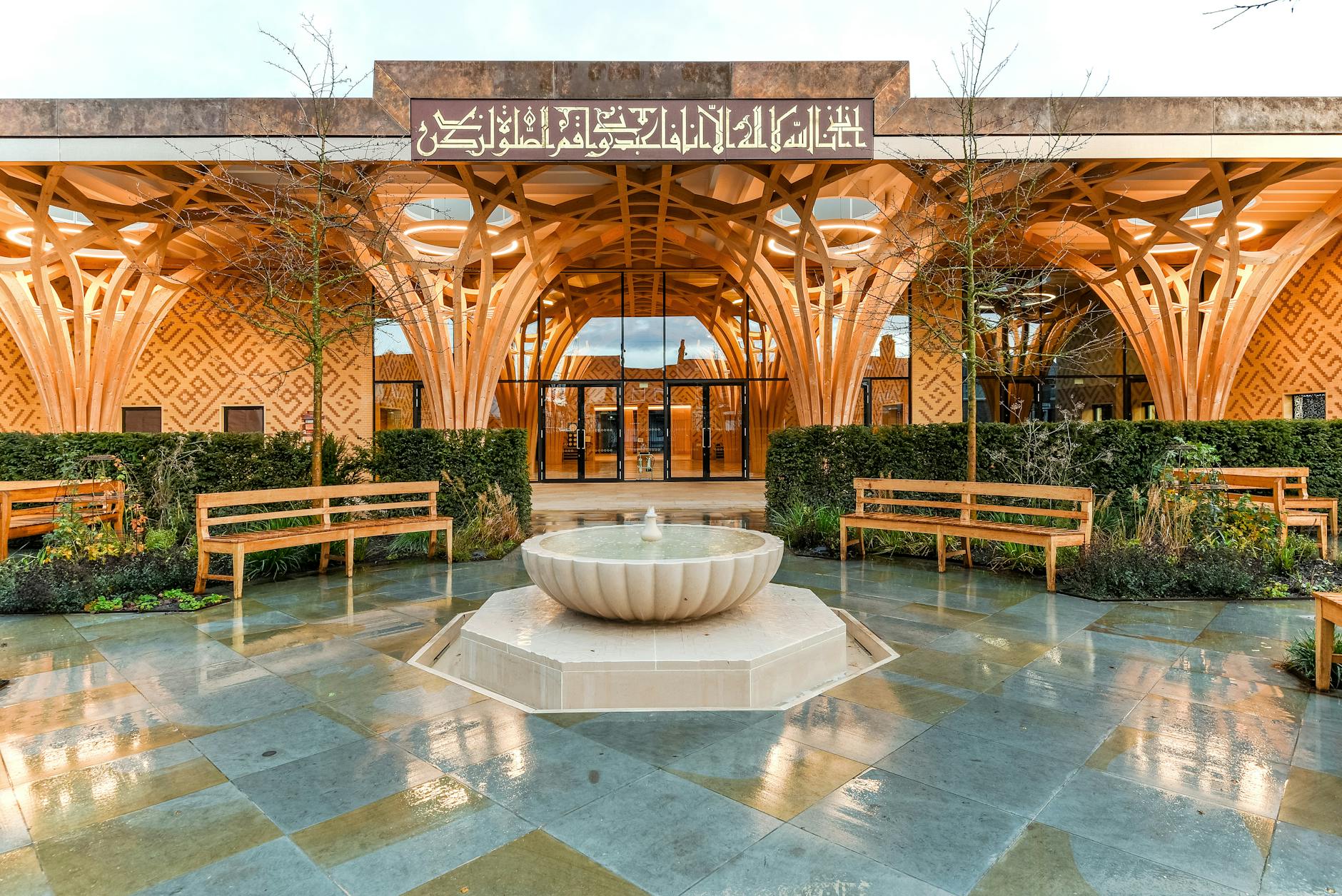
Cultivating a Green Deen Home: Designing Islamic Gardens and Spiritual Outdoor Spaces
In a world increasingly disconnected from nature, the concept of a ‘Green Deen’ offers a profound Islamic framework for reconnecting with Allah’s creation. A Green Deen extends beyond mere environmentalism; it’s a holistic way of living that acknowledges our role as stewards (Khalifah) of the Earth, guided by the principles of Tawhid (Oneness of God) and Mizan (Balance). This article delves into how we can translate these lofty ideals into tangible, spiritual outdoor spaces – our very own Islamic gardens.
The Spiritual Roots of Islamic Garden Design
The inspiration for Islamic gardens is deeply etched in the Quran and Sunnah. Descriptions of Jannah (Paradise) abound with imagery of lush gardens, flowing rivers, and abundant fruits. This celestial vision has historically influenced earthly garden designs, aiming to create a microcosm of paradise on earth, a tranquil space for contemplation, worship, and family life.
The Prophet Muhammad (peace be upon him) himself emphasized the importance of planting trees and conserving water, stating, “If the Hour (the Day of Resurrection) is about to be established and one of you was holding a palm seedling, and he can plant it before the Hour is established, he should plant it.” This Prophetic guidance underscores our enduring responsibility to cultivate and nurture the earth, viewing it as an act of worship.
Core Principles of Islamic Garden Aesthetics
Islamic gardens are not just pretty landscapes; they are carefully designed environments that embody deep spiritual and philosophical principles. Understanding these principles is key to designing Islamic gardens and spiritual outdoor spaces that truly resonate with the Green Deen ethos.
- Water (Mizan): The Source of Life: In arid lands, water is precious. Islamic gardens feature water prominently – in fountains, channels, and pools – symbolizing purity, life, and the rivers of Jannah. Crucially, its use is always mindful and conservational, reflecting the Quranic verse, “And We made from water every living thing” (21:30).
- Shade and Shelter: Comfort and Mercy: Trees and pergolas provide respite from the sun, fostering areas for quiet reflection and social gathering. This emphasis on comfort reflects the mercy (rahma) Islam extends to all creation.
- Geometric Harmony: Order and Balance: From the intricate patterns of a mosaic to the layout of paths, geometry is central. The four-part garden (Chahar Bagh) is a classic example, representing the four rivers of Jannah and the four directions, embodying order and balance.
- Fragrance and Fertility: Aromatic Delights and Sustenance: Gardens are designed to engage all senses. Aromatic plants like jasmine, roses, and herbs fill the air, while fruit trees offer sustenance, symbolizing Allah’s blessings (Barakah).
- Privacy and Introspection: A Sanctuary for the Soul: Walls and hedges create secluded spaces, allowing for personal contemplation, prayer, and family intimacy, free from external distractions.
Designing Your Spiritual Outdoor Oasis
Translating these principles into your own 'Green Deen' home involves thoughtful planning and intentional choices. Here's how to create specific areas within your garden that nourish the soul:
The Prayer Nook (Musalla)
Designate a quiet, clean corner for prayer. This space should ideally be shaded and shielded from direct sun or strong winds. Ensure easy access and consider a soft surface like grass or a durable outdoor prayer mat. Knowing the correct direction for prayer is fundamental; utilize resources like a reliable Qibla Finder to orient your musalla accurately towards the Kaaba in Mecca, ensuring your outdoor worship is always correctly directed.
Wudu Facilities: Purity and Practicality
A simple outdoor tap or a dedicated wudu station is incredibly practical. Design it with water conservation in mind, perhaps using a basin that collects water for plant irrigation. Purity is a cornerstone of our faith, and having convenient facilities for ablution encourages frequent connection with Allah.
Spaces for Reflection and Contemplation
Integrate comfortable seating areas – a bench under a tree, a shaded patio, or cushions on a raised platform. These are ideal spots for meditation, quiet remembrance of Allah, or reading. This is also a perfect place to engage with divine wisdom by reading the Quran, allowing its verses to resonate amidst the tranquility of nature.
The Edible Garden: Sustenance and Sadaqa
Dedicate a portion of your garden to growing fruits, vegetables, and herbs. This practice embodies self-sufficiency and gratitude for Allah's provisions. Sharing your harvest with neighbors and the needy is a beautiful act of Sadaqa (charity) and strengthens community bonds. Remember that in Islam, certain agricultural produce is subject to Zakat. For those who wish to fulfill this obligation correctly, an accurate Zakat Calculator can help determine the precise amount due on your harvest.
Water Features: Tranquility and Conservation
Even a small fountain or a birdbath can bring soothing sounds and attract local wildlife, enhancing the garden's serenity. Prioritize closed-system fountains or rainwater harvesting methods to ensure responsible water usage.
Practical Steps to a Green Deen Home
- Plan with Purpose: Sketch out your garden design, considering sunlight, existing features, and your family's needs. Think about the flow and how each area will serve a spiritual or practical function.
- Choose Wisely: Plant Selection: Opt for native, drought-resistant plants that thrive in your local climate. Incorporate fragrant flowers, fruit-bearing trees, and herbs. Consider plants mentioned in the Quran or Sunnah, such as olives, dates, pomegranates, or figs.
- Master Water Management: Implement drip irrigation, collect rainwater, and choose water-wise plants. Be mindful of your consumption, echoing the Prophetic teaching against wastefulness even when performing Wudu.
- Embrace Organic and Sustainable Practices: Avoid chemical pesticides and fertilizers. Create your own compost from kitchen scraps and garden waste, enriching your soil naturally.
- Share the Blessings: Community and Charity: Let your garden be a source of blessing for others. Share produce, offer cuttings, or simply open your tranquil space for community gatherings.
Beyond the Garden Gate: A Holistic Green Deen Lifestyle
Cultivating a Green Deen extends beyond your physical garden. It's about instilling an environmental consciousness in every aspect of your life. This includes mindful consumption, reducing waste, and appreciating Allah's blessings. Even using modern tools like an app for accurate Prayer Times integrates technology with our spiritual discipline, reminding us to pause and reconnect throughout our day. Our faith guides us in all aspects of stewardship, even financial. Understanding Islamic principles related to wealth, such as the proper distribution of assets, is crucial for maintaining harmony and justice within families and society. Resources like an Inheritance Calculator can assist in upholding these sacred trusts according to Islamic law.
Conclusion: A Garden Reflecting the Divine
By designing Islamic gardens and spiritual outdoor spaces, we are not just beautifying our homes; we are actively engaging in an act of worship, fulfilling our trust as stewards of Allah’s creation. A Green Deen home, with its thoughtfully curated garden, becomes a sanctuary where peace, piety, and ecological responsibility flourish, a small piece of Jannah on Earth, reflecting the divine beauty and order of the Creator.
Expertly curated by the Muslim Tools team
© 2026 Muslim Tools. All rights reserved.