
Discovering Your Purpose: An Islamic Framework for Meaning and Fulfillment in Dunya
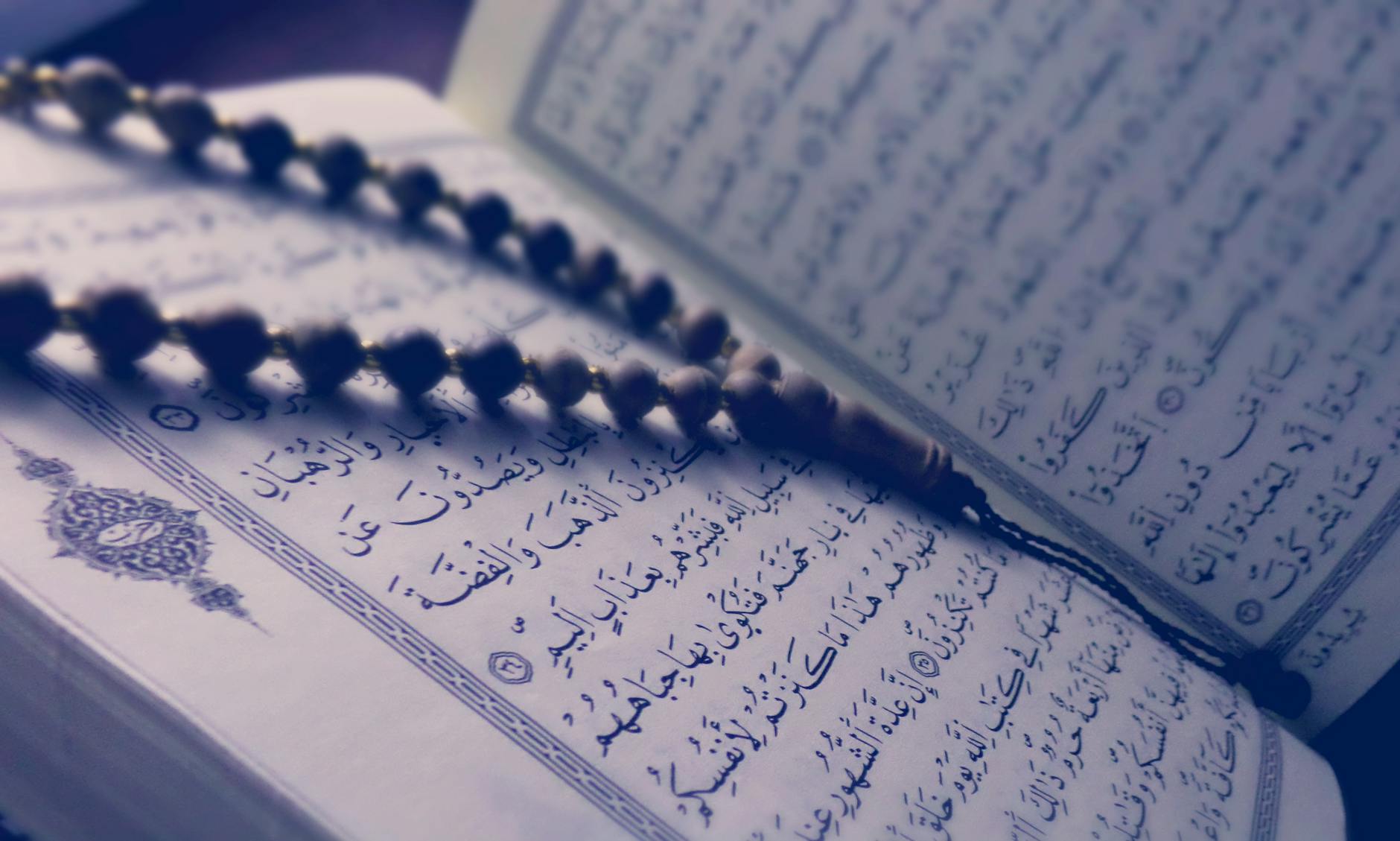
In the labyrinth of modern life, humanity universally grapples with a profound question: "What is my purpose?" This inherent yearning for meaning drives countless quests for self-discovery, often leading to temporary satisfactions or deeper existential voids. While contemporary narratives frequently frame purpose as something to be discovered through introspection and personal ambition, Islam offers a fundamentally different, yet profoundly empowering, perspective. From an Islamic lens, our purpose isn't hidden, waiting to be unearthed; rather, it is divinely ordained, an inherent aspect of our creation, requiring unveiling, understanding, and continuous alignment with the Creator's will. This article delves into the Islamic framework for meaning and fulfillment, transforming the elusive pursuit of purpose into a guided journey towards true peace and contribution in both this world (Dunya) and the Hereafter (Akhira).
The Grand Purpose: Worship and Vicegerency (Ibadah and Khilafah)
At the heart of Islamic teaching lies a dualistic understanding of human purpose: Ibadah (worship) and Khilafah (vicegerency or stewardship). These are not separate duties but intertwined facets of a singular, comprehensive existence designed to bring glory to Allah and benefit humanity.
Ibadah: Our Primary Mandate
The Quran explicitly states, "And I did not create the jinn and mankind except to worship Me." (Surat Adh-Dhariyat 51:56). This verse is often misunderstood as merely fulfilling ritualistic obligations. However, Ibadah in Islam encompasses far more. It is a holistic concept embodying complete submission, devotion, and obedience to Allah in every aspect of life – not just in the mosque, but in our homes, workplaces, and communities. It means living a life consciously aware of Allah's presence, seeking His pleasure in all actions, and aligning our intentions and deeds with His divine commands.
This comprehensive worship manifests through various channels:
- Salah (Prayer): The cornerstone of
Ibadah, Salah is a direct connection with our Creator, five times a day. It is a moment of spiritual rejuvenation, remembrance, and gratitude that reminds us of our ultimate purpose. To ensure your prayers are timely and accurate, utilize tools like a Prayer Times tracker. Furthermore, knowing the correct direction of prayer is essential, making a Qibla Finder an invaluable resource. - Zakat (Charity): A mandatory act of worship for those who meet specific criteria, Zakat purifies wealth and redistributes it to the needy, fostering social justice and economic balance. Understanding your obligations is crucial; a Zakat Calculator can help you accurately determine your contribution.
- Sawm (Fasting): An annual spiritual discipline during Ramadan, fasting cultivates self-restraint, empathy, and heightened God-consciousness.
- Hajj (Pilgrimage): The spiritual journey to Makkah, if one is able, symbolizes unity, devotion, and ultimate submission.
- Recitation and Reflection on the Quran: Engaging with Allah's divine word is a profound act of worship, offering guidance, wisdom, and solace. Regular engagement with the Quran is vital for understanding our purpose and the path to fulfillment.
Every act, from a kind word to honest work, performed with the intention of pleasing Allah, transforms into an act of Ibadah, infusing daily life with profound meaning.
Khilafah: Our Role as Stewards
Alongside Ibadah, Allah bestowed upon humanity the distinct honor and heavy responsibility of Khilafah, or vicegerency on Earth. As stated in the Quran, "Indeed, I am going to place on the earth a successor (khalifah)." (Surat Al-Baqarah 2:30). This role means we are entrusted with the care of Allah's creation – the environment, natural resources, and especially other human beings. Our purpose extends beyond self-worship; it demands active participation in nurturing, developing, and establishing justice and goodness in the world.
Khilafah involves:
- Caring for the Environment: Protecting ecosystems, conserving resources, and living sustainably.
- Promoting Justice and Equity: Upholding truth, fighting oppression, and ensuring fairness in all dealings.
- Building Healthy Societies: Contributing positively to our communities through education, charity, and social welfare.
- Personal Development: Striving for self-improvement physically, mentally, and spiritually to be a better representative of Allah on Earth.
Balancing Ibadah and Khilafah ensures that our spiritual devotion is not detached from worldly engagement, and our worldly efforts are rooted in divine consciousness.
Pillars of Purposeful Living: Practical Islamic Principles
To effectively embody Ibadah and Khilafah, an Islamic life is built upon several foundational principles that guide our choices and actions.
Taqwa: God-Consciousness as a Guiding Light
Taqwa is often translated as "God-consciousness" or "piety." It's a deep, internal awareness of Allah's presence and His commands, leading one to act righteously and abstain from wrongdoing out of love and fear of Him. Taqwa acts as an inner compass, constantly aligning our intentions and deeds with divine will. It transforms mundane activities into acts of worship by ensuring they are done with sincerity and integrity. A person with Taqwa considers the ethical implications of every decision, fostering a life of profound purpose and moral clarity.
Seeking Knowledge (Ilm): Illuminating the Path
Islam places immense value on seeking knowledge, both religious and secular. The Prophet Muhammad (peace be upon him) said, "Seeking knowledge is an obligation upon every Muslim." This encompasses understanding the Quran and Sunnah, learning about the world, mastering skills, and contributing to human advancement. Knowledge empowers us to fulfill our purpose more effectively – to worship Allah with deeper understanding, to be better stewards of His creation, and to contribute meaningfully to society. It helps us discern right from wrong, innovate for good, and navigate life's complexities with wisdom.
Character Development (Akhlaq): The Embodiment of Purpose
The Prophet Muhammad (PBUH) stated, "I have been sent only to perfect good character." (Akhlaq) Good character is the outward manifestation of inner faith and Taqwa. It encompasses virtues like honesty, kindness, patience, justice, generosity, humility, and forgiveness. Cultivating these traits is not merely about social etiquette; it's a fundamental aspect of Ibadah and an essential quality for effective Khilafah. A person of noble character attracts others to the beauty of Islam and fulfills their purpose by embodying its values in their interactions.
Contribution to Society (Nafa): Benefiting Others
A hallmark of a purposeful Islamic life is the commitment to benefiting others (Nafa). The Prophet Muhammad (PBUH) taught, "The best of people are those who are most beneficial to people." This principle drives Muslims to contribute positively to their communities and the wider world, whether through charity, volunteering, advocating for justice, sharing knowledge, or simply offering a helping hand. This societal contribution can take many forms, including ensuring financial justice and responsible distribution of wealth, even after one's passing. Understanding and implementing Islamic financial principles, such as those related to inheritance, is part of this broader contribution. Tools like an Inheritance Calculator can assist in upholding these principles, ensuring fairness and benefiting heirs in accordance with Sharia.
Navigating Challenges and Redefining Purpose
Life in Dunya is inherently filled with trials and tribulations. Loss, failure, illness, and uncertainty can cause us to question our direction and even our very purpose. However, from an Islamic perspective, these challenges are not deviations from our path but integral components of it. They serve as tests, opportunities for growth, and avenues for drawing closer to Allah. During such times, reaffirming our primary purpose of Ibadah and Khilafah becomes crucial.
- Resilience through Tawakkul: Placing our trust in Allah (
Tawakkul) allows us to face difficulties with patience and hope, understanding that every hardship is part of a divine plan with wisdom beyond our comprehension. - Remembrance (Dhikr): Constant remembrance of Allah through His names, Quranic verses, and supplications (Du'a) provides solace, strengthens faith, and realigns our focus during trying times.
- Dynamic Purpose: While the overarching purpose remains constant, its specific manifestations may evolve. A person's contribution might shift from active physical work to profound spiritual reflection or advising others in later life. The framework provides flexibility within its steadfast principles.
It is critical to avoid excessive attachment to Dunya, recognizing its transient nature. While we strive to excel and contribute, our hearts must remain tethered to the ultimate reward and eternal abode of Akhira.
The Eternal Perspective: Dunya as a Bridge to Akhira
Ultimately, the Islamic framework for purpose extends beyond the confines of this earthly life. Dunya is understood as a temporary abode, a testing ground, and a bridge to the eternal existence of Akhira. Every conscious act, every righteous deed, every moment spent in Ibadah and Khilafah with sincere intention, is an investment in our eternal future.
True fulfillment is not found solely in worldly achievements, but in the peace that comes from knowing we are living in accordance with our Creator's will. This perspective alleviates existential dread, provides profound comfort in adversity, and instills an enduring sense of meaning that transcends any fleeting worldly success or failure. Our purpose in Dunya is to prepare for Akhira, ensuring that our journey here culminates in Allah's pleasure and an eternal reward.
Conclusion:
Discovering your purpose within an Islamic framework is not a search for self, but an unveiling of the divine blueprint for humanity. It is a continuous journey of aligning one's life with the twin pillars of Ibadah (holistic worship) and Khilafah (responsible stewardship). Guided by Taqwa, illuminated by knowledge, refined by noble character, and expressed through beneficial contributions to society, a Muslim finds profound meaning and fulfillment. This framework provides an unwavering compass through life's complexities, transforming every moment into an opportunity for spiritual growth and preparing us for the ultimate reunion with our Creator. Embrace this divinely ordained purpose, and you will unlock a life brimming with meaning, fulfillment, and lasting peace in both Dunya and Akhira.
Expertly curated by the Muslim Tools team
© 2026 Muslim Tools. All rights reserved.