
Empowering Young Ambassadors: Peer-to-Peer Dawah Strategies and Education for Muslim Youth in Western Contexts
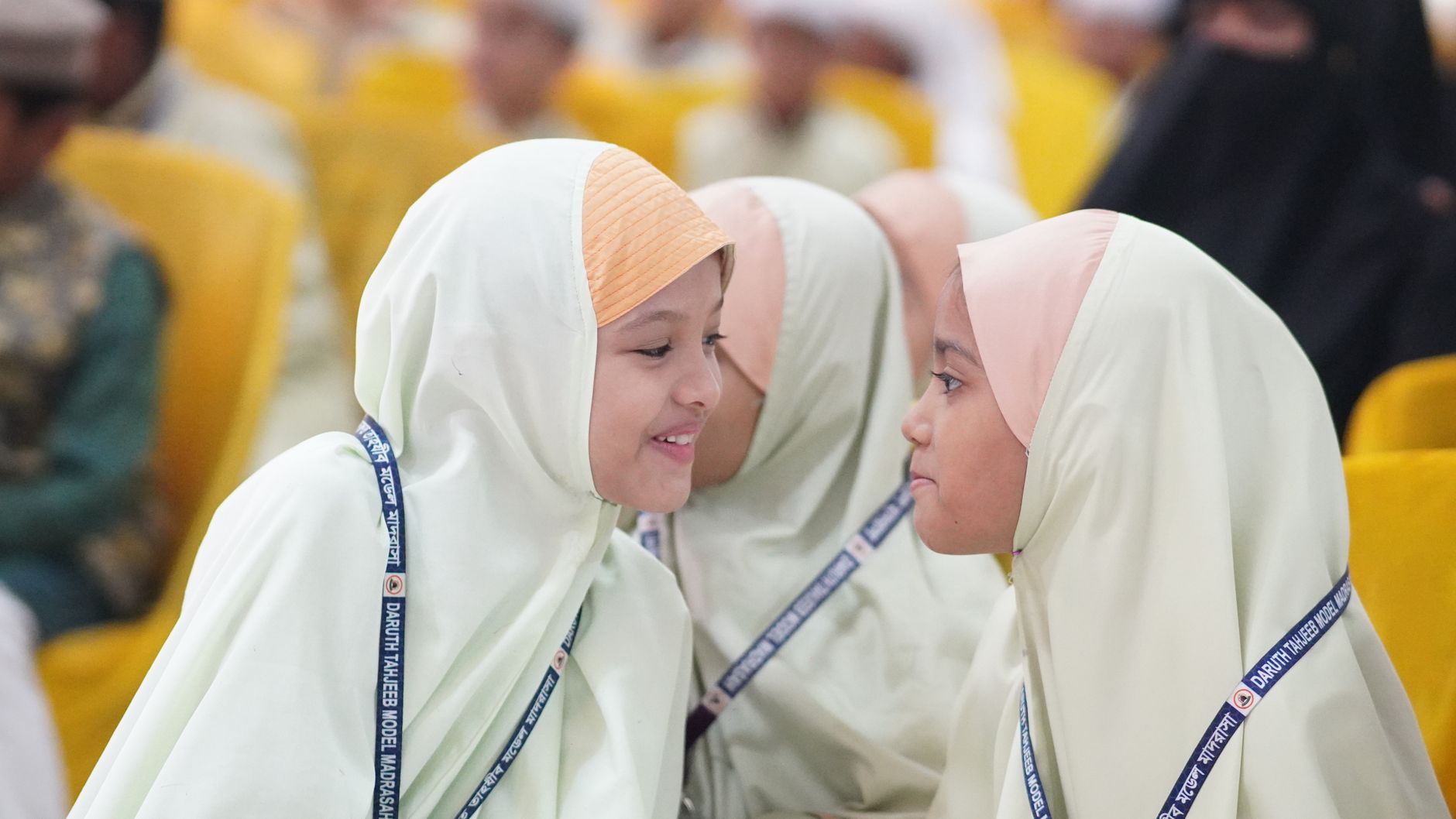
Empowering Young Ambassadors: Peer-to-Peer Dawah Strategies and Education for Muslim Youth in Western Contexts
In an increasingly interconnected yet often polarized world, Muslim youth in Western societies navigate a unique set of challenges. From identity formation amidst cultural assimilation pressures to confronting prevalent misconceptions about Islam, their journey demands resilience and clarity. This context makes the role of dawah—the invitation to Islam—not just a responsibility, but a profound necessity. However, traditional approaches to dawah often fall short when addressing the nuanced realities of young Muslims and their non-Muslim peers. The most potent and effective method, therefore, emerges from within their ranks: peer-to-peer dawah.
This article delves into the critical strategies and educational frameworks required to empower young Muslim ambassadors, equipping them with the knowledge, confidence, and wisdom to articulate their faith authentically and persuasively within Western contexts. Our goal is to foster a generation that doesn't just practice Islam but confidently represents its beauty and truth.
The Imperative of Peer-to-Peer Dawah
Why is peer-to-peer dawah so crucial? Simply put, young people are often the most effective communicators to their own generation. They share similar life experiences, cultural touchstones, and communication styles, making their message inherently more relatable and trustworthy. An older scholar, however learned, might struggle to bridge the generational and cultural gap as effectively as a peer. This authenticity fosters an environment of trust and openness, essential for meaningful dialogue.
Islam inherently encourages dawah, viewing it as a communal obligation and a path to spiritual reward. The Quran states, "Invite to the way of your Lord with wisdom and good instruction, and argue with them in a way that is best." (An-Nahl 16:125). This verse emphasizes both the method—wisdom and good instruction—and the manner—the best way. For youth, this "best way" often involves genuine friendships, shared activities, and an understanding of contemporary issues. To truly embody this wisdom, a deep connection to the foundational texts is vital. Regularly consulting the Quran allows young ambassadors to draw directly from divine guidance, ensuring their message is rooted in authentic Islamic teachings.
Foundations of an Empowered Young Ambassador
Before any dawah strategy can be deployed, the young ambassador must first be firmly grounded in their own faith and character.
Deepening Islamic Knowledge
A confident dawah carrier is a knowledgeable one. This goes beyond rote memorization to a nuanced understanding of Islamic theology (Aqeedah), jurisprudence (Fiqh), the Prophet's biography (Seerah), and the wisdom embedded in Islamic history. Education should focus on:
- Core Beliefs: Tawhid (Oneness of God), Prophethood, Divine Books, Angels, Day of Judgment, Divine Decree.
- Practical Fiqh: Understanding acts of worship and daily dealings from an Islamic perspective, providing practical context for faith.
- Seerah and History: Learning from the life of Prophet Muhammad (PBUH) and the rich history of Muslim civilization offers invaluable lessons in character, resilience, and problem-solving.
- Contemporary Issues: How Islam addresses modern challenges like environmentalism, social justice, and ethics in technology.
Cultivating Strong Character (Akhlaq)
The Prophet Muhammad (PBUH) was described as "a walking Quran." His character was his most powerful dawah. Young ambassadors must embody Islamic values such as:
- Honesty and Integrity: Being truthful in speech and action.
- Compassion and Empathy: Understanding others' perspectives and showing kindness.
- Patience and Forbearance: Especially when facing scrutiny or misunderstanding.
- Humility: Recognizing that guidance comes from Allah, and our role is merely to convey the message.
Developing such character is a continuous process, heavily reliant on personal spiritual development. Adhering to daily spiritual practices, such as consistently observing Prayer Times, forms the bedrock of a strong Muslim identity, providing discipline and a direct connection to Allah.
Understanding Western Contexts
Effective dawah is not a one-size-fits-all approach. Young ambassadors must understand the socio-political, cultural, and intellectual landscape of Western societies. This involves:
- Secularism and Pluralism: Appreciating the framework of religious freedom while understanding the secular mindset prevalent in public discourse.
- Common Misconceptions: Being aware of and prepared to address prevalent stereotypes or distorted views about Islam (e.g., gender roles, violence, terrorism).
- Shared Values: Identifying common ground between Islamic ethics and universal human values like justice, compassion, and respect for life.
Effective Peer-to-Peer Dawah Strategies
Once grounded, young ambassadors can effectively engage their peers using various strategies:
Authentic Engagement & Building Bridges
Dawah should flow naturally from genuine relationships. It’s about building bridges, not erecting walls. Strategies include:
- Active Listening: Truly hearing and understanding others' questions, concerns, and beliefs before responding.
- Personal Narratives: Sharing personal experiences of how Islam has positively impacted their lives, making abstract concepts relatable.
- Common Ground: Initiating conversations based on shared interests (hobbies, studies, social causes) and gently introducing Islamic perspectives where relevant.
Digital Dawah & Social Media
For youth, digital platforms are native environments. Social media offers unprecedented reach and tools for dawah:
- Content Creation: Producing engaging short videos, infographics, thought-provoking posts, and short articles explaining Islamic concepts or addressing common questions.
- Positive Representation: Countering negative narratives by showcasing the beauty, diversity, and intellectual depth of Islam.
- Interactive Engagement: Using Q&A sessions, polls, and comments to foster dialogue.
In this digital age, even practical aspects of faith can be simplified. For instance, knowing the direction of prayer is essential no matter where one is in the world. Tools like a reliable Qibla Finder can be invaluable for Muslim youth, ensuring their prayers are always directed correctly, even when traveling or in unfamiliar places.
Community Involvement & Service
Actions speak louder than words. Participating in community service, interfaith dialogues, and social justice initiatives demonstrates Islamic values in practice:
- Volunteering: Helping the homeless, elderly, or engaging in environmental clean-ups.
- Interfaith Panels: Representing Islam respectfully and intelligently in discussions with people of other faiths or none.
- Advocacy: Standing for justice and human rights, aligning with Islamic teachings.
These actions naturally lead to discussions about the motivation behind them, providing organic opportunities for dawah. Furthermore, understanding Islam's emphasis on social welfare and charity can be enhanced by knowing resources like the Zakat Calculator, which helps Muslims fulfill their financial obligations and contribute to societal well-being.
Addressing Misconceptions with Wisdom
Young ambassadors will inevitably face questions or criticisms rooted in misinformation. They must be trained to respond with grace, knowledge, and humility:
- Fact-Based Responses: Providing accurate information with clear evidence from Islamic texts and history.
- Focus on Principles: Highlighting Islam's core principles of justice, compassion, peace, and individual responsibility.
- Contextualization: Explaining verses or historical events within their proper context, avoiding selective interpretation.
- Avoiding Confrontation: The goal is to clarify, not to win an argument. A calm and respectful demeanor is key.
Educational Frameworks for Dawah Training
To truly empower young ambassadors, structured educational programs are essential:
Structured Mentorship Programs
Pairing aspiring dawah carriers with experienced mentors provides personalized guidance, practical advice, and a safe space for growth. Mentors can:
- Guide them through challenging questions.
- Help refine their communication skills.
- Offer spiritual support and encouragement.
Skill Development Workshops
Workshops focusing on specific skills are crucial:
- Public Speaking: Confidence in articulating ideas clearly.
- Active Listening & Empathy: Essential for building rapport.
- Critical Thinking: Analyzing information and forming well-reasoned arguments.
- Media Literacy: Understanding how to navigate and utilize digital platforms responsibly.
- Interfaith Dialogue: Training in respectful and constructive engagement with other faith traditions.
Creating Safe Spaces for Dialogue
Youth groups, university Islamic societies, and community centers can serve as vital platforms where young Muslims can:
- Discuss their faith openly without fear of judgment.
- Practice dawah skills in a supportive environment.
- Engage in intellectual discussions about Islam's relevance in modern life.
These platforms also provide an opportunity to explore broader Islamic principles that affect everyday life and societal structures. For instance, understanding Islamic financial ethics or the intricate details of distributing assets is crucial for a holistic grasp of the faith's practical applications. Resources such as the Inheritance Calculator can be a valuable tool in such educational settings, helping youth understand the just and equitable distribution of wealth according to Islamic law.
Overcoming Challenges
The path of dawah is not without its difficulties. Young ambassadors may face:
- Skepticism or Hostility: It's important to teach resilience and not to internalize negative reactions.
- Burnout: Dawah can be emotionally and intellectually taxing. Emphasize self-care, seeking spiritual nourishment, and community support.
- Internal Doubts: Questions about one's own faith are natural. Creating an environment where these can be openly discussed with knowledgeable mentors is vital.
Conclusion
Empowering young Muslims as peer-to-peer dawah ambassadors in Western contexts is not merely an optional activity; it is an urgent and strategic imperative. By investing in comprehensive education—deepening their Islamic knowledge, cultivating exemplary character, and equipping them with effective communication strategies—we enable them to confidently represent Islam. These young men and women are uniquely positioned to bridge divides, clarify misunderstandings, and share the timeless message of Islam with wisdom, compassion, and authenticity. Their journey of self-discovery and outreach will not only strengthen their own faith but also enrich the societies they inhabit, proving that Islam is a faith of peace, justice, and profound beauty.
Expertly curated by the Muslim Tools team
© 2026 Muslim Tools. All rights reserved.