
Bridging the Gap: Empowering Underprivileged Muslim Communities Through Accessible Islamic Education Initiatives
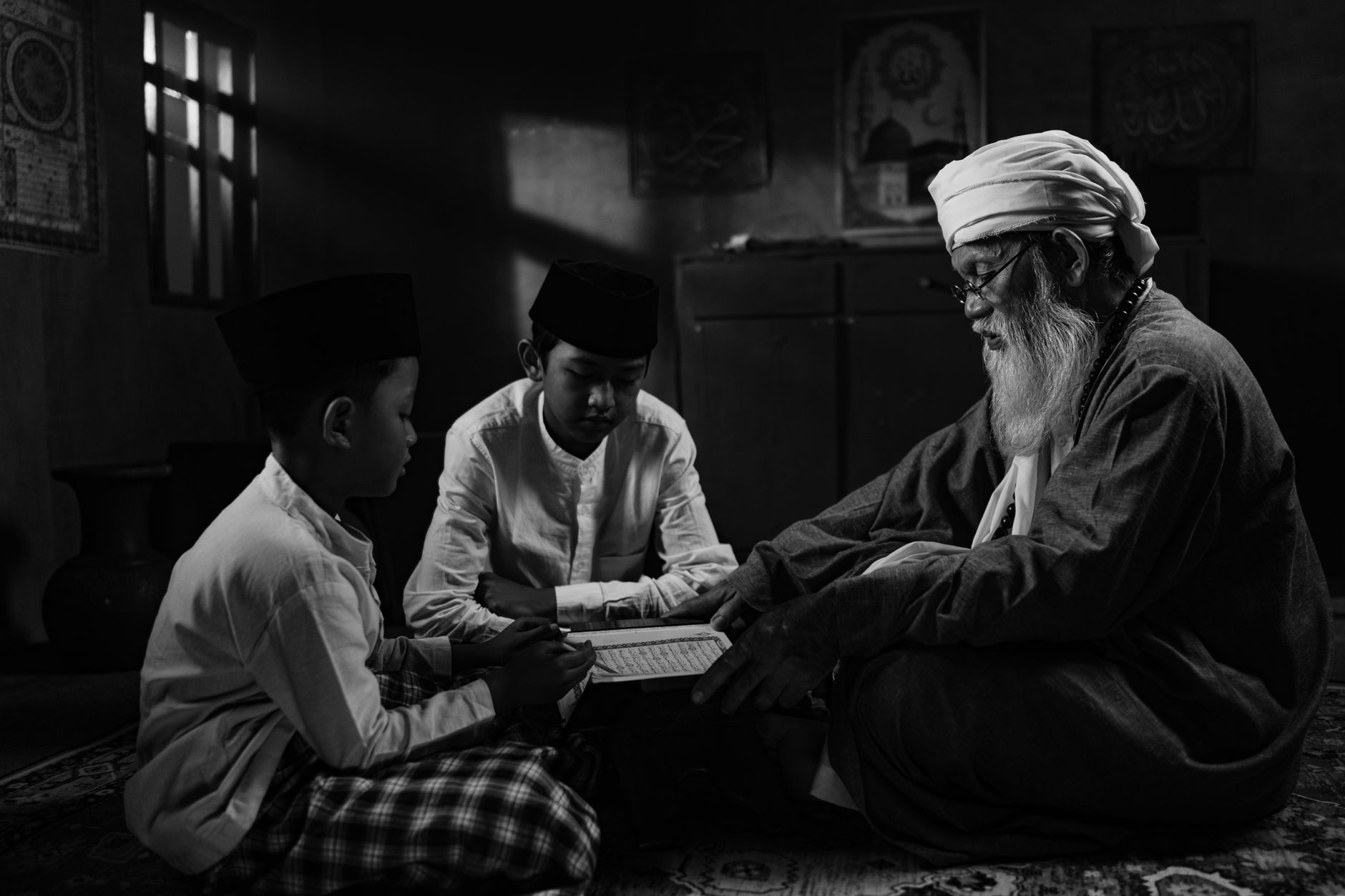
Bridging the Gap: Empowering Underprivileged Muslim Communities Through Accessible Islamic Education Initiatives
The pursuit of knowledge is a sacred obligation in Islam, a journey illuminated by the Quran and the Sunnah of Prophet Muhammad (PBUH). Yet, for countless underprivileged Muslim communities globally, this fundamental right to accessible Islamic education remains an elusive dream. Economic hardship, geographical isolation, and systemic inequalities often create profound gaps, hindering spiritual growth, cultural preservation, and socio-economic empowerment. This article delves into the critical imperative of Bridging the Gap: Empowering Underprivileged Muslim Communities Through Accessible Islamic Education Initiatives, exploring the challenges, innovative solutions, and the transformative potential of ensuring every Muslim has the opportunity to learn and practice their faith comprehensively.
1. The Foundational Importance of Islamic Education for Empowerment
Islamic education is not merely about rote memorization; it is a holistic system designed to cultivate moral character, critical thinking, and a deep connection with Allah SWT. It instills values of justice, compassion, and community service. For underprivileged communities, access to this education provides a moral compass, strengthens identity, and acts as a powerful antidote to despair and extremism. It equips individuals with the knowledge to navigate life's complexities according to divine guidance, fostering resilience and self-reliance. Central to this understanding is access to the Quran, the divine revelation that serves as the ultimate source of guidance and wisdom for all Muslims, alongside the rich tradition of prophetic teachings.
2. Understanding the Educational Disparity: Challenges Faced
Underprivileged Muslim communities, often residing in developing nations, conflict zones, or marginalized urban areas, confront a multi-layered crisis in accessing quality Islamic education. These challenges include:
- Economic Barriers: Poverty forces families to prioritize basic needs over education, with children often entering the workforce prematurely. Tuition fees, even for basic madrasahs, can be prohibitive.
- Lack of Infrastructure: Insufficient physical learning spaces, dilapidated buildings, and a severe shortage of essential learning materials like books and technology.
- Teacher Shortage and Training: A scarcity of qualified Islamic scholars and educators, coupled with a lack of professional development opportunities for existing teachers, compromises educational quality.
- Curriculum Irrelevance: Traditional curricula may not always address contemporary challenges or integrate modern pedagogical methods, making it less engaging or practical for learners.
- Geographical Isolation: Remote villages and refugee camps lack any form of organized Islamic schooling, leaving generations without fundamental religious knowledge.
- Digital Divide: Limited access to internet connectivity, devices, and digital literacy skills, preventing communities from benefiting from online learning resources.
3. Key Pillars for Accessible Islamic Education Initiatives
To effectively bridge this gap, initiatives must be multi-faceted, community-centric, and sustainable.
3.1. Community-Based Learning Hubs
Establishing local madrasahs, Islamic centers, or even converting existing community spaces into learning hubs. These hubs should be culturally sensitive, affordable, and accessible by foot or minimal transport. They serve not just as schools but as community centers, fostering solidarity and collective growth.
3.2. Digital and E-Learning Platforms
Leveraging technology to overcome geographical barriers. This includes:
- Developing online courses, interactive lessons, and digital libraries of Islamic texts (including the Quran in various translations).
- Creating mobile applications for learning basic Islamic concepts, Arabic language, and even practical tools like a Prayer Times reminder or a Qibla Finder to assist daily worship.
- Distributing pre-loaded tablets or low-cost internet devices in areas with some connectivity.
3.3. Teacher Training and Development
Investing in educators is paramount. Programs should focus on:
- Equipping teachers with modern pedagogical skills, classroom management techniques, and digital literacy.
- Providing continuous professional development, ensuring they stay updated on Islamic scholarship and educational best practices.
- Offering incentives and support to attract and retain dedicated Islamic educators in underserved areas.
3.4. Contextualized and Relevant Curricula
Curricula must be tailored to the specific needs and contexts of the learners. This means:
- Integrating Islamic teachings with essential life skills, vocational training, and peace education.
- Developing content that addresses local challenges, such as conflict resolution, environmental stewardship, and community health from an Islamic perspective.
- Ensuring balance between traditional Islamic sciences and contemporary subjects to prepare individuals for both spiritual and worldly success.
3.5. Sustainable Funding and Support Mechanisms
Financial sustainability is crucial for long-term impact. This involves:
- Establishing scholarship programs and fee waivers for needy students.
- Encouraging and facilitating local and international charitable giving, including the proper collection and distribution of Zakat. Understanding one's obligations is crucial, and tools like a Zakat Calculator can simplify this process for individuals and organizations.
- Forging partnerships with Islamic NGOs, endowments (awqaf), and philanthropic organizations.
- Promoting Islamic financial literacy within communities to foster self-sufficiency. Furthermore, comprehensive Islamic education extends to civil matters and financial justice, ensuring communities understand principles like inheritance distribution, where an Inheritance Calculator can be an invaluable tool for fairness and compliance with Sharia.
4. Innovative Approaches and Best Practices
Various models have proven effective in different contexts:
- Mobile Madrasahs: Buses or vans converted into classrooms that travel to remote areas, bringing education directly to children.
- Blended Learning Models: Combining traditional classroom instruction with digital resources and online learning, allowing flexibility and wider reach.
- Peer-to-Peer Learning and Mentorship: Empowering older students or community members to teach younger ones, fostering a sense of responsibility and ownership.
- Partnerships with Local Mosques: Utilizing existing mosque infrastructure and community trust to host educational programs, often after regular Prayer Times, making them accessible to a wider audience.
5. The Transformative Power of Accessible Islamic Education
When underprivileged Muslim communities gain access to quality Islamic education, the ripple effects are profound:
- Spiritual Awakening and Identity Strengthening: Individuals develop a deeper understanding of their faith, strengthening their spiritual connection and sense of Muslim identity.
- Moral and Ethical Development: Islamic teachings promote honesty, integrity, compassion, and justice, leading to stronger family units and more cohesive communities.
- Empowerment Against Extremism: Sound Islamic knowledge inoculates individuals against misinterpretations of faith and extremist ideologies.
- Socio-Economic Mobility: When combined with secular skills, Islamic education fosters responsible citizenship and entrepreneurial spirit, contributing to community development.
- Preservation of Culture and Heritage: It ensures the continuity of Islamic knowledge, traditions, and values for future generations.
Conclusion:
Bridging the Gap: Empowering Underprivileged Muslim Communities Through Accessible Islamic Education Initiatives is not merely an act of charity; it is an investment in the future of the Ummah and humanity at large. By committing to innovative, sustainable, and compassionate educational strategies, we can unlock the immense potential within these communities. Every child deserves the chance to learn the beautiful teachings of Islam, to grow as a righteous individual, and to contribute meaningfully to society. It is our collective responsibility to ensure that no Muslim community is left behind in the pursuit of sacred knowledge, illuminating paths towards brighter, more empowered futures, guided by the light of divine wisdom.
Expertly curated by the Muslim Tools team
© 2026 Muslim Tools. All rights reserved.