
The Etiquettes of Eating and Drinking in Islam: Sunnah Practices for Health and Barakah
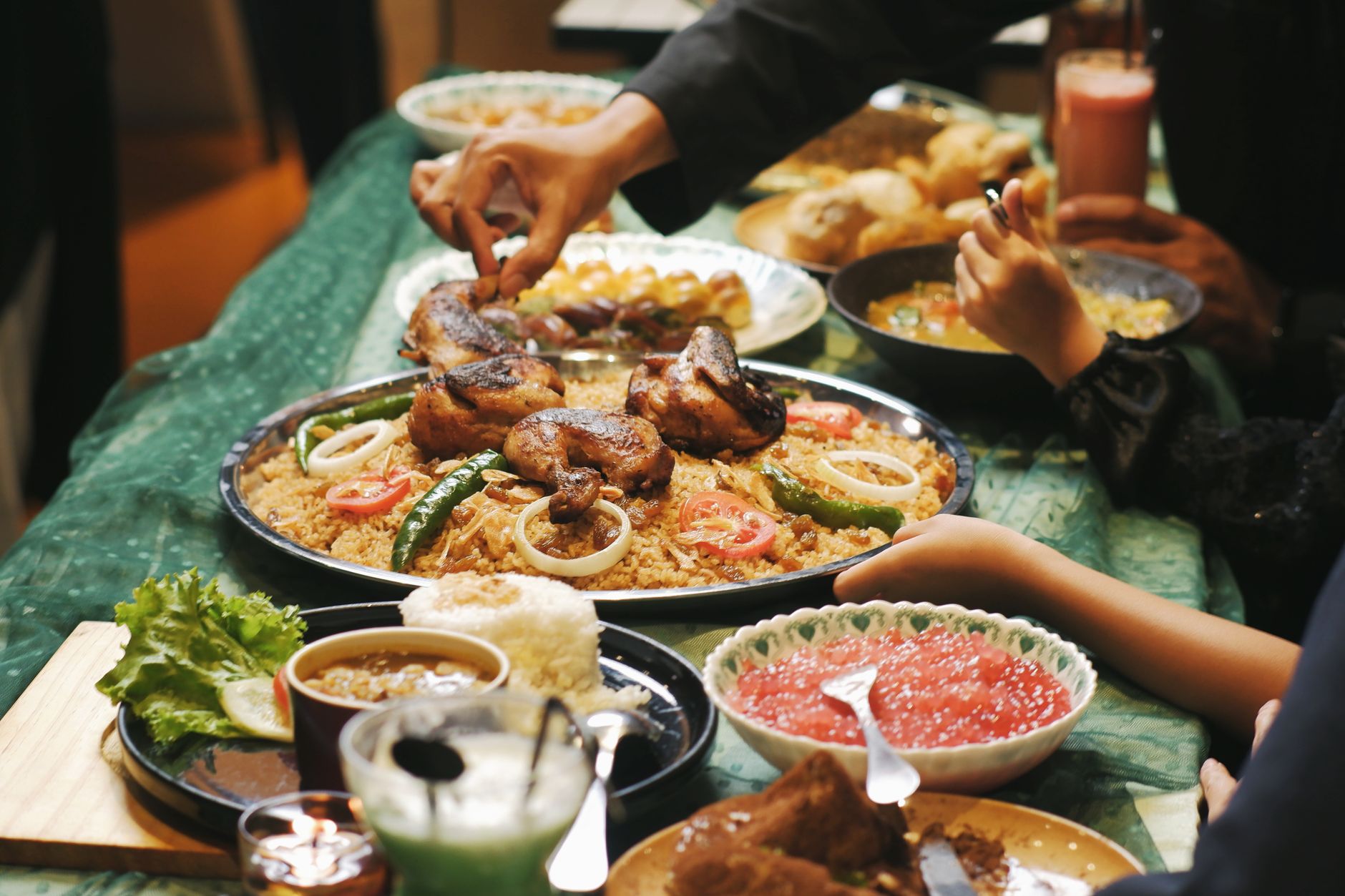
In Islam, eating and drinking transcend mere sustenance; they are acts of worship, deeply intertwined with our spiritual well-being, physical health, and connection to the Divine. The Prophet Muhammad (peace be upon him) exemplified a comprehensive way of life, and his Sunnah (practices and teachings) offers profound guidance on the etiquettes of consumption, aiming to imbue our meals with Barakah (divine blessing) and promote holistic health. As Senior SEO Content Strategist and an expert Islamic writer, I will delve into these essential Sunnah practices, offering a detailed exposition that highlights their practical benefits and spiritual significance.
The Holistic Islamic Approach to Sustenance
Islam views the human being as a delicate balance of body, mind, and soul. Consequently, what we consume, how we consume it, and our state of mind during consumption all impact this intricate balance. The guidance found in the Quran and the Sunnah of the Prophet Muhammad (PBUH) is not arbitrary; it is a divinely inspired blueprint for optimal living, emphasizing gratitude, moderation, and consciousness in every bite and sip.
Before Eating: Cultivating Mindfulness and Gratitude
The journey of Barakah in our meals begins even before the food touches our lips. These preliminary etiquettes set the tone for a blessed and healthful experience:
- Washing Hands: It is highly recommended to wash hands thoroughly before eating. This not only ensures hygiene but also prepares one mentally for the meal, symbolizing purification.
- Saying 'Bismillah' (In the Name of Allah): This is perhaps the most crucial etiquette. Starting with 'Bismillah' invokes Allah's blessings, removes evil influences, and reminds us that all provisions come from Him. The Prophet (PBUH) said, "When one of you eats food, he should say: 'Bismillah'. If he forgets to say 'Bismillah' at the beginning, he should say: 'Bismillahi awwalahu wa akhirahu' (In the Name of Allah at the beginning and at the end of it)."
- Making Intention (Niyyah): Eating should be done with the intention of gaining strength to worship Allah, to sustain one's body, and to fulfill one's duties, rather than merely for indulgence. This transforms a mundane act into an act of devotion.
- Eating with the Right Hand: The Prophet (PBUH) always ate and drank with his right hand, stating, "When one of you eats, he should eat with his right hand, and when he drinks, he should drink with his right hand, for Satan eats with his left hand and drinks with his left hand."
- Eating from What is Directly in Front of You: This teaches modesty, respect for others, and contentment. It discourages greed and reaching across the table.
- Not Criticizing Food: The Prophet (PBUH) never criticized any food. If he liked it, he ate it; if he disliked it, he left it without comment. This fosters gratitude and avoids waste.
During Eating: Moderation, Contemplation, and Sharing
The act of eating itself is replete with opportunities for spiritual and physical nourishment:
- Eating in Moderation: "The son of Adam does not fill any vessel worse than his stomach. A few mouthfuls are sufficient for the son of Adam to keep his back straight. But if he must eat more, then let him fill one-third with food, one-third with drink, and one-third with air." (Tirmidhi) This Prophetic advice is a cornerstone of Islamic dietetics, promoting digestive health and preventing overindulgence. This balance is key to physical and spiritual health, much like understanding one's financial obligations with a Zakat Calculator helps maintain economic balance within society.
- Chewing Food Thoroughly: Proper chewing aids digestion, allowing the body to absorb nutrients more efficiently and reducing strain on the digestive system.
- Eating Together: Sharing meals fosters brotherhood, love, and Barakah. The Prophet (PBUH) said, "Eat together and mention the Name of Allah over your food, and it will be blessed for you."
- Not Leaning while Eating: The Prophet (PBUH) disliked eating while reclining, as it can hinder digestion and reflect arrogance.
- Picking up Dropped Food: If a morsel of food falls, it should be picked up, cleaned, and eaten, demonstrating respect for Allah's provisions and preventing waste. This humility is part of a Muslim's general conduct, which includes aligning one's life according to divine commands, just as one aligns their prayers using a Qibla Finder.
After Eating: Gratitude, Cleanliness, and Reflection
Concluding a meal with gratitude and cleanliness ensures the blessings endure:
- Saying 'Alhamdulillah' (All Praise is Due to Allah): Expressing gratitude is paramount. Numerous supplications are taught, such as "Alhamdulillahilladhi at'amana wa saqana wa ja'alana Muslimeen" (All praise is due to Allah Who fed us and quenched our thirst and made us Muslims).
- Washing Hands and Mouth: This is a practice of good hygiene and a sign of respect for oneself and others.
- Cleaning the Utensils: Licking plates and cups clean is encouraged as it ensures no food is wasted and Barakah remains.
- Making Du'a for the Host (if applicable): If you are a guest, making a specific supplication for your host is a Sunnah that strengthens community bonds.
- Dental Hygiene: The use of a Miswak (natural toothbrush) or brushing teeth after eating is highly recommended to maintain oral health.
The Etiquettes of Drinking
Drinking, too, has its specific Sunnah practices:
- Saying 'Bismillah' before drinking and 'Alhamdulillah' after.
- Drinking while Sitting: The Prophet (PBUH) forbade drinking while standing. While there are exceptions, sitting is the preferred and more healthful posture for drinking.
- Drinking in Three Sips: Drinking in small sips rather than gulping allows the body to hydrate properly and prevents discomfort. It also shows patience and deliberation.
- Not Breathing into the Vessel: This is for hygiene and to avoid discomfort to others if sharing.
- Passing Drink to the Right: When serving drinks, especially in a gathering, it's Sunnah to pass the vessel to the person on your right.
Health, Barakah, and Spiritual Connection
Adhering to these Prophetic etiquettes brings immense benefits:
- Physical Health: Moderation, thorough chewing, and specific drinking postures aid digestion, prevent obesity, and promote overall physical well-being. Modern science increasingly validates the wisdom of these ancient practices.
- Spiritual Health: Starting with 'Bismillah' and ending with 'Alhamdulillah' transforms a basic human need into a continuous act of remembrance and gratitude, strengthening one's spiritual connection. This constant awareness is part of a Muslim's holistic daily routine, much like observing prayer times with diligence.
- Barakah (Divine Blessing): The ultimate goal is Barakah – an increase in goodness, sufficiency, and peace. Following the Sunnah invites Allah's blessings into our sustenance, making even a small amount feel sufficient and beneficial.
- Social Harmony: Sharing meals, eating from what is in front of one, and showing respect for food and company fosters stronger community ties and reduces friction. The principles of justice and stewardship that guide our actions, from distributing wealth responsibly with an inheritance calculator to engaging in daily acts like eating, are all interconnected in Islam.
- Environmental Consciousness: Avoiding waste, picking up dropped food, and not criticizing food are early lessons in sustainability and responsible consumption, long before these concepts became mainstream.
Conclusion: A Path to Mindful Living
The etiquettes of eating and drinking in Islam are far more than a set of rigid rules; they are a profound framework for mindful living, offering a path to physical vitality, spiritual nourishment, and divine Barakah. By consciously adopting these Sunnah practices, we transform mundane acts into powerful expressions of gratitude and devotion. Every meal becomes an opportunity to connect with our Creator, uphold the Prophetic tradition, and cultivate a life rich in blessings and good health. Let us strive to integrate these beautiful etiquettes into our daily lives, reaping their boundless rewards.
Expertly curated by the Muslim Tools team
© 2026 Muslim Tools. All rights reserved.