
Experiential Islamic Education: Project-Based Learning and Outdoor Pedagogy in Muslim Schools
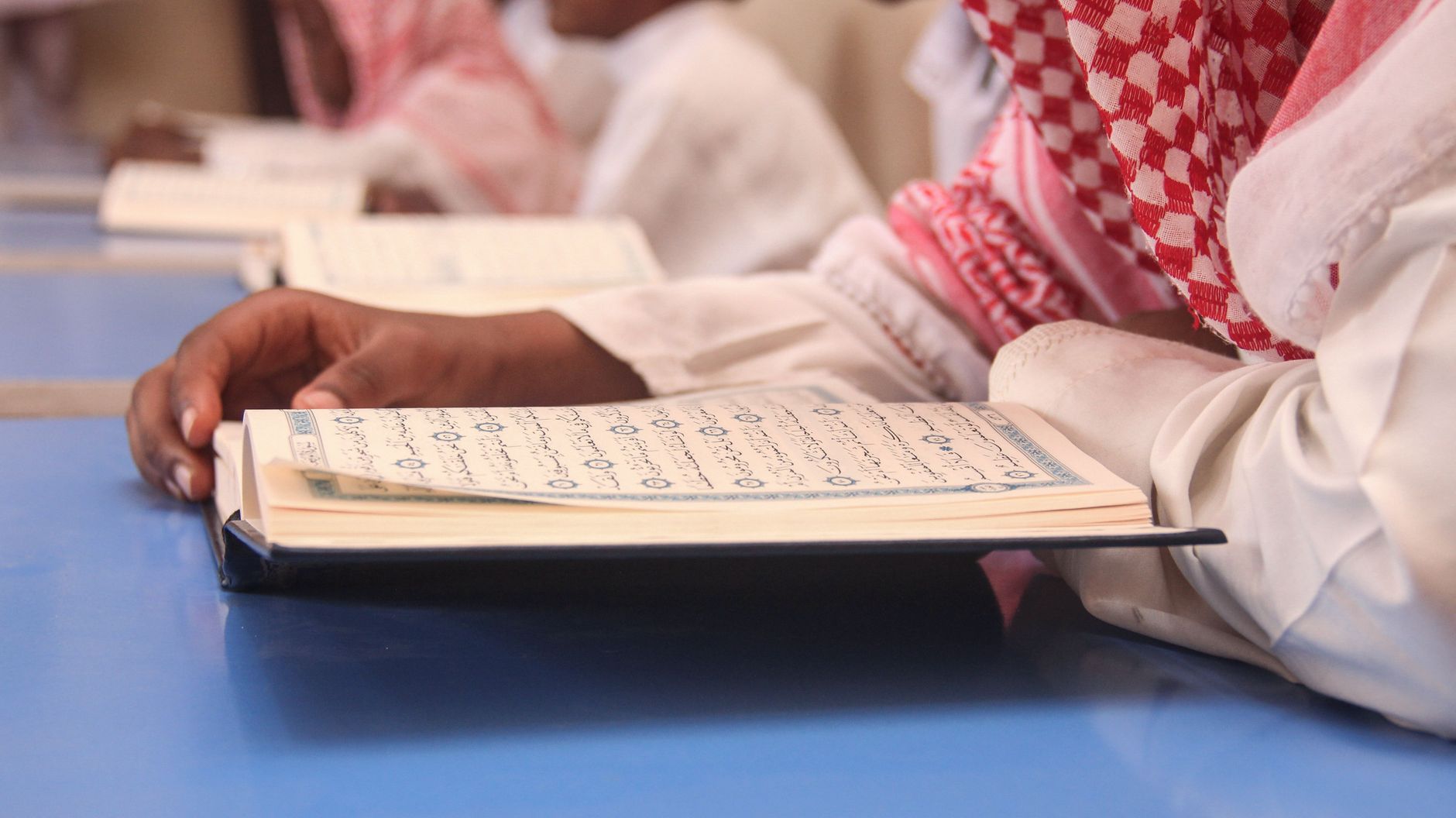
The Dawn of a New Era in Islamic Education
For centuries, Islamic education has served as the bedrock of Muslim societies, transmitting knowledge from the Quran and Sunnah, nurturing spiritual growth, and fostering moral excellence. While traditional methods have their undeniable merits, the modern educational landscape demands approaches that resonate with the dynamic challenges and opportunities of the 21st century. This necessitates a paradigm shift towards experiential Islamic education – a pedagogical philosophy deeply rooted in Islamic principles yet embracing contemporary methods like Project-Based Learning (PBL) and outdoor pedagogy.
Experiential learning, at its core, is about 'learning by doing.' It moves beyond rote memorization to engage students actively in real-world scenarios, problem-solving, and reflective practice. When infused with an Islamic worldview, this approach cultivates not just academic prowess but also a profound connection to Allah (SWT), His creation, and the Prophetic ﷺ methodology of teaching and learning.
Why Experiential Learning for Muslim Schools?
The traditional classroom, often characterized by lectures and passive reception of information, can sometimes fall short in developing the holistic Muslim personality – one that is critical, creative, compassionate, and capable of applying Islamic knowledge effectively in daily life. Experiential learning addresses these gaps by:
- Fostering Deep Understanding: Students don't just learn about Islam; they experience it, internalize it, and apply it.
- Cultivating Critical Thinking: Through projects and real-world problems, students learn to analyze, synthesize, and evaluate information from an Islamic perspective.
- Developing Practical Skills: From teamwork and communication to leadership and problem-solving, these skills are essential for active citizenship and dawah.
- Enhancing Spiritual Connection: Engaging with Islamic concepts actively strengthens faith (iman) and a sense of purpose.
- Promoting Holistic Development: Addresses cognitive, emotional, social, and spiritual dimensions of a child's growth.
Project-Based Learning (PBL) in an Islamic Context
Project-Based Learning is a dynamic instructional approach where students gain knowledge and skills by working for an extended period to investigate and respond to an authentic, engaging, and complex question, problem, or challenge. When integrated into an Islamic curriculum, PBL transforms theoretical concepts into tangible, meaningful experiences.
Key Principles of Islamic PBL:
- Authenticity and Relevance: Projects should connect to real-world issues faced by Muslims or relate to historical Islamic achievements. For instance, designing a sustainable mosque, creating a dawah campaign, or researching Islamic contributions to science.
- Inquiry and Exploration: Encouraging students to ask deep questions, seek answers from primary Islamic sources like the Quran and Sunnah, and engage in critical analysis.
- Collaboration and Community: Emphasizing the Islamic value of shura (consultation) and community service (khidma). Group projects can simulate real-world team efforts.
- Reflection and Self-Assessment: Incorporating Islamic concepts of muhasabah (self-accountability) and seeking continuous improvement.
Examples of Islamic PBL Projects:
- Mosque Design Challenge: Students research Islamic architecture, understand the functionality of a mosque, and design a model, considering factors like a designated area for Prayer Times and optimal orientation using a Qibla Finder.
- Islamic Charity Drive: Students organize a fundraising campaign for a local or international cause, learning about the principles of zakat and sadaqah, and potentially using a Zakat Calculator to understand wealth distribution.
- Biography of a Sahabi/Sahabiyyah: Students research a companion of the Prophet ﷺ, create a documentary, play, or exhibition highlighting their life lessons and contributions.
- Ethical Business Venture: Students develop a business plan adhering to Islamic ethical principles (e.g., no interest, fair trade), calculating potential profits and charitable contributions.
- Inheritance Law Simulation: For older students, creating hypothetical family scenarios and applying Islamic inheritance laws, perhaps using an Inheritance Calculator to understand the practical distribution.
Outdoor Pedagogy: Connecting with Allah's Creation
Outdoor pedagogy leverages the natural environment as a classroom, offering unparalleled opportunities for sensory engagement, physical activity, and spiritual reflection. Islam places immense value on nature as a sign (ayah) of Allah's power and wisdom. The Quran is replete with references to the heavens, the earth, the mountains, and the seas, encouraging contemplation of their creation.
Benefits of Outdoor Islamic Education:
- Spiritual Connection: Direct interaction with nature fosters awe (khushu') and gratitude to the Creator, deepening understanding of Tawhid.
- Physical and Mental Well-being: Reduces stress, improves focus, and encourages active lifestyles, aligning with the Prophetic emphasis on a healthy body.
- Observational Learning: Studying plant life, animal behavior, or ecological systems can be directly linked to Quranic verses and Hadith about stewardship (khilafah) and balance (mizan).
- Problem-Solving in Dynamic Environments: Navigating natural spaces, building shelters, or identifying flora and fauna develops practical skills and resilience.
- Historical and Cultural Exploration: Field trips to historical Islamic sites, local mosques, or even diverse neighborhoods can provide rich contextual learning.
Implementing Outdoor Pedagogy:
- Nature Walks and Reflection: Regular excursions to parks or natural reserves, encouraging students to observe, reflect on Allah's creation, and recite relevant Quranic verses.
- Community Gardening: Establishing a school garden where students learn about cultivation, sustainable practices, and the value of feeding the needy.
- Field Trips: Organized visits to farms, zoos, museums with Islamic art, or local businesses to understand real-world applications of Islamic ethics and principles.
- Outdoor Qur'an Recitation & Hifdh: Practicing memorization or recitation in a serene outdoor setting can enhance focus and spiritual experience.
Challenges and the Path Forward
Implementing experiential Islamic education is not without its challenges. These include:
- Teacher Training: Educators need to be equipped with the skills to design and facilitate experiential learning.
- Resource Allocation: Field trips, project materials, and outdoor spaces require investment.
- Curriculum Integration: Seamlessly weaving experiential methods into existing Islamic studies and secular subjects.
- Parental Understanding: Educating parents on the value and benefits of these innovative approaches.
However, the long-term benefits far outweigh the initial hurdles. Muslim schools must invest in professional development for teachers, cultivate community partnerships, and advocate for policy changes that support these dynamic learning environments. By doing so, they prepare students who are not only knowledgeable about Islam but also embody its values actively, contributing positively to their communities and the world.
Conclusion: Nurturing a Generation of Reflective Muslims
Experiential Islamic education, through project-based learning and outdoor pedagogy, represents a vital evolution in how Muslim schools can nurture the next generation. It moves beyond theoretical instruction to cultivate critical thinkers, compassionate leaders, and spiritually grounded individuals capable of navigating complex modern challenges with wisdom and faith. By embracing these innovative methods, we empower students to become proactive agents of change, deeply connected to their faith, their communities, and the world Allah has entrusted to their care.
Expertly curated by the Muslim Tools team
© 2026 Muslim Tools. All rights reserved.