
Green Deen: Islamic Environmental Stewardship and Sustainability in 2026
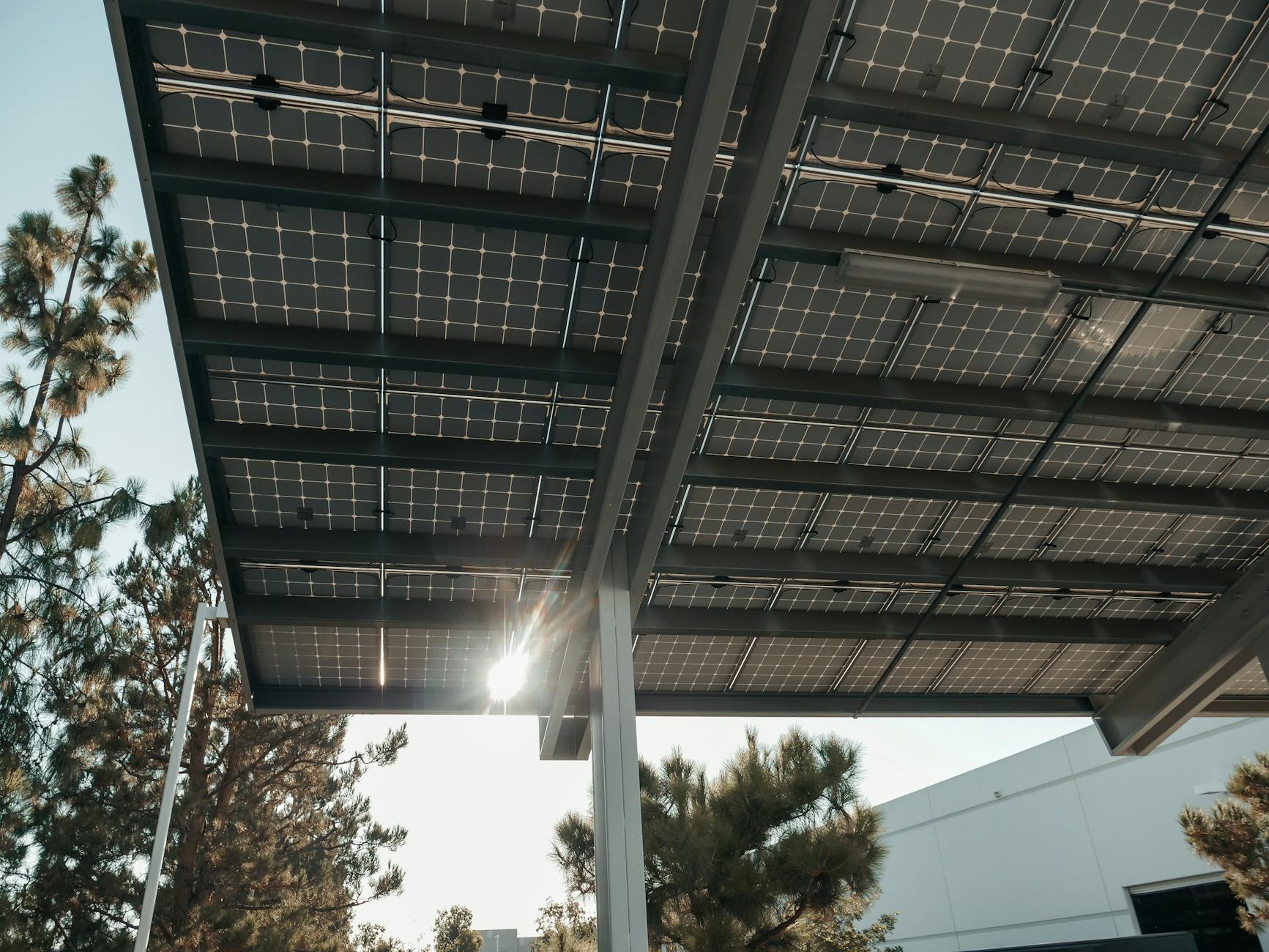
In 2026, the global climate crisis is no longer a future threat but a lived reality. For Muslims, environmentalism is not a political trend; it is a fundamental part of the faith known as Green Deen. Islam teaches that the earth is a mosque and that human beings are its Khulafa (stewards). This sacred responsibility requires us to live in harmony with the natural world, avoiding waste and protecting the diversity of life created by Allah. This guide explores the Islamic principles of sustainability and practical ways to implement them in your daily life.
1. The Concept of Khilafah (Stewardship)
Allah says in the Quran: 'He it is Who has made you successors (Khala'if) upon the earth' (Quran 6:165). This means we do not own the earth; we are its trustees.
- The Responsibility: A trustee is accountable for how they handle the trust. In 2026, this means being conscious of our carbon footprint, our resource consumption, and the legacy we leave for future generations.
2. Mizan: The Universal Balance
Everything in nature was created in a state of Mizan (balance). The trees, the oceans, and the atmosphere are all interconnected. Industrial pollution and excessive consumerism disrupt this divine balance. The 'Green Deen' is an effort to restore that balance through moderate consumption and active conservation efforts.
3. The Prophetic Example of Eco-Living
The Prophet Muhammad (pbuh) was the ultimate environmentalist.
- Zero Waste: He never wasted water, even when performing Wudu from a river.
- Simple Living: He mended his own clothes and lived a minimalist lifestyle, detached from the obsession with material accumulation.
- Animal Rights: He taught that a woman entered Paradise for helping a thirsty dog and another entered Hell for starving a cat. All living creatures have rights in Islam.
4. Practical Steps for a Green Deen in 2026
- The Sunnah of Planting: The Prophet said, 'If the Day of Resurrection begins while one of you has a seedling in his hand, let him plant it.' In 2026, reforestation and urban gardening are vital acts of worship.
- Ethical Consumption: Buy what you need, not what you want. Choose products that are ethically sourced and environmentally friendly. Avoid single-use plastics during community Iftars or Eid celebrations.
- Water Conservation: Follow the Prophetic lead and reduce water usage in your home and your cleaning rituals.
Conclusion: Healing the Earth, Healing the Soul
Protecting the environment is an act of Ibadah (worship). When we care for the earth, we are caring for the creation of Allah. In 2026, let your faith be the catalyst for a more sustainable and compassionate world.
Connect your ethical living with your spiritual practice through our tools. Monitor your Prayer Times to structure your day around the natural light, find your direction with the Qibla Finder, and ensure your Zakat is calculated to support those most affected by environmental disasters. For the ultimate wisdom on nature, always return to the Quran.
Expertly curated by the Muslim Tools team
© 2026 Muslim Tools. All rights reserved.