
Halal Courtship vs. Dating: Navigating the Path to Marriage with Islamic Principles
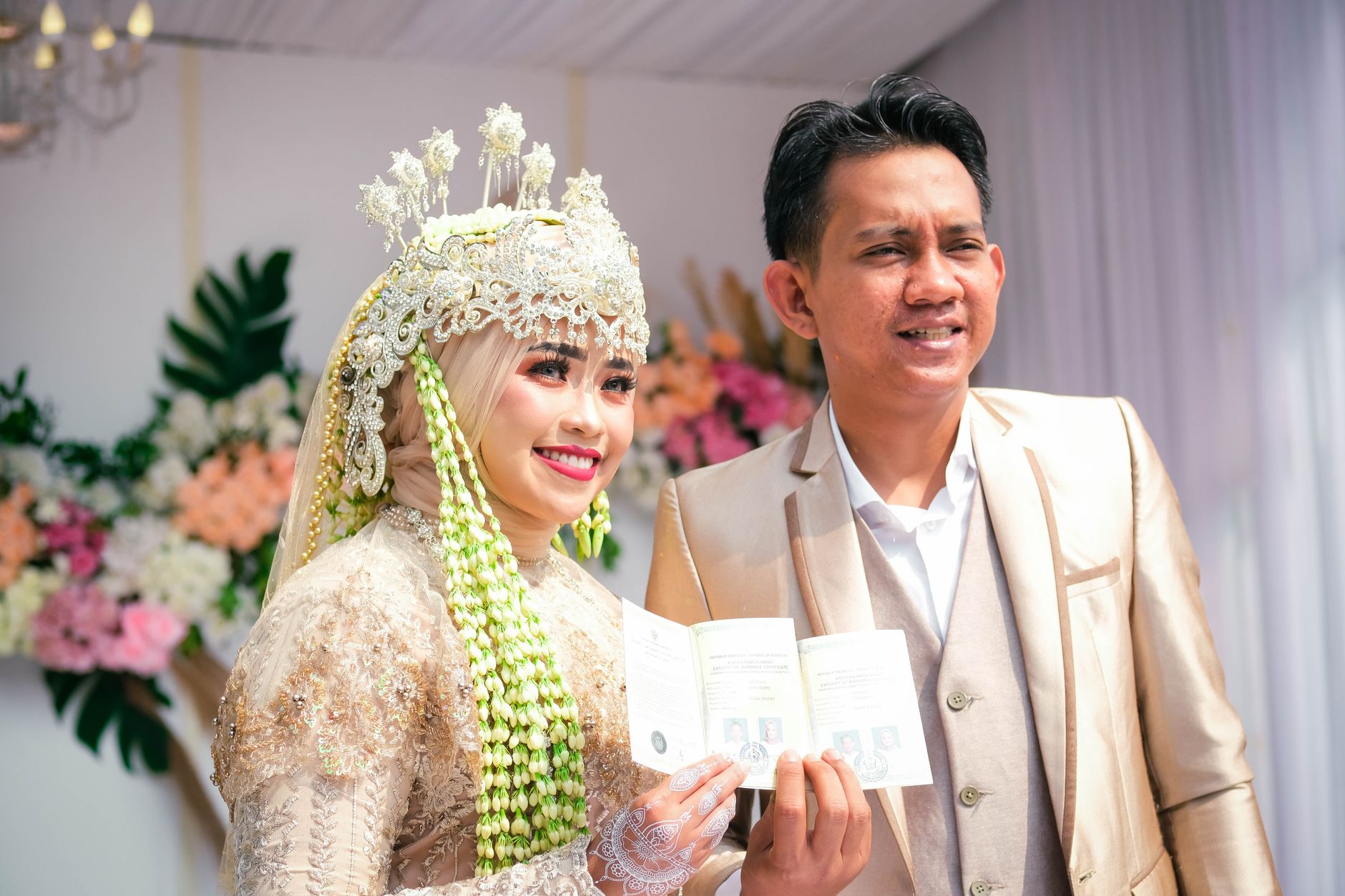
The universal human desire for companionship, love, and family finds its most sacred expression in marriage within Islam. However, in an increasingly globalized world, Muslims often face a dilemma: how to pursue a life partner while adhering to divine principles. The contemporary "dating" culture, with its fluid boundaries and often casual approach, frequently conflicts with the clear guidelines set forth by Allah and His Messenger (peace be upon him). This article, penned by an expert Islamic writer, aims to illuminate the profound differences between this prevalent dating paradigm and the divinely sanctioned path of Halal courtship. We will delve into the core tenets of Islamic guidance, offering a clear roadmap for Muslims navigating the journey to marriage with intention, dignity, and unwavering faith, ensuring a foundation built on Barakah and mutual respect.
Understanding the Core Distinction: Halal Courtship vs. Dating
At the heart of the matter lies a fundamental difference in purpose, methodology, and ethical framework.
What is "Dating" from an Islamic Perspective?
Modern dating, as commonly understood, often involves:
- Unrestricted Interaction: Frequent, unsupervised meetings between non-mahram individuals.
- Undefined Intentions: Relationships may begin without a clear commitment to marriage, often focused on "getting to know each other" through trial-and-error, which can lead to emotional attachments without a concrete future.
- Lack of Parental Involvement: Often conducted in secrecy or with minimal family knowledge, fostering an environment where Islamic boundaries are easily transgressed.
- Risk of Khulwa: The prohibited private seclusion of a man and a woman who are not mahram, which is a significant red flag in Islam due to the temptation it presents.
- Potential for Haram Physical Contact: Hand-holding, hugging, or other forms of intimacy before marriage are common in dating culture but strictly forbidden in Islam.
From an Islamic viewpoint, many elements of modern dating are problematic as they violate explicit prohibitions and undermine the sacred nature of marriage preparation.
What is "Halal Courtship"?
Halal courtship, in stark contrast, is a structured, purposeful, and Islamically compliant process for seeking a marriage partner. It is characterized by:
- Clear Intention for Marriage: The sole purpose of interaction is to assess compatibility for a lawful, lifelong union.
- Family Involvement: Parents or guardians (wali) are actively involved from the outset, providing guidance, vetting, and ensuring transparency.
- Supervised Meetings: All interactions between prospective spouses occur in the presence of a mahram (a male guardian for the woman) or in public, eliminating khulwa.
- Respect for Boundaries: Strict adherence to Islamic guidelines regarding interaction, gaze, and physical contact.
- Focus on Character and Deen: Discussions revolve around religious commitment, values, life goals, and compatibility, rather than superficial attractions.
Halal courtship is not about stifling genuine connection but about fostering it within a framework that preserves dignity, protects from sin, and invites divine blessings.
Pillars of Halal Courtship in Islam: Foundations of a Blessed Union
The beauty of Islamic courtship lies in its foundational principles, derived directly from the Quran and Sunnah.
1. Pure Intention (Niyyah)
Every action in Islam is judged by its intention. For courtship to be Halal, the niyyah must be purely for seeking a spouse for marriage, pleasing Allah, and establishing a family upon Islamic principles. Any intention for casual interaction, emotional gratification without commitment, or pre-marital "testing" falls outside this sacred scope.
2. Lowering the Gaze (Ghadh al-Basar)
Both men and women are commanded to lower their gaze. Allah states in the Quran: "Tell the believing men to reduce [some] of their vision and guard their private parts. That is purer for them. Indeed, Allah is acquainted with what they do. And tell the believing women to reduce [some] of their vision and guard their private parts..." (Quran 24:30-31). This principle applies during courtship interactions, ensuring respect and preventing infatuation based solely on physical appearance.
3. Absence of Khulwa (Private Seclusion)
One of the most critical prohibitions is khulwa – the private seclusion of a non-mahram man and woman. The Prophet Muhammad (peace be upon him) said: "No man is alone with a woman but the third of them is Shaytan." (Tirmidhi). This rule is a safeguard against temptation and sin. Therefore, meetings must always occur in the presence of a mahram or in a public setting where others are present.
4. Parental and Guardian Involvement (Wali)
The role of the wali (guardian, usually the father) is paramount in Islam. The Prophet (PBUH) stated: "There is no marriage except with a wali." (Tirmidhi). Family involvement ensures transparency, mutual consent, and provides invaluable wisdom and protection for the prospective spouses. It transforms the process from a private affair into a communal one, supported by experienced family members.
5. Clear and Respectful Communication
Communication during Halal courtship is focused and purposeful. Discussions should explore:
- Religious commitment and practice.
- Life goals, aspirations, and career compatibility.
- Family values and expectations.
- Character, temperament, and communication styles.
- Readiness for marital responsibilities.
These conversations, conducted respectfully and often facilitated by a mahram, aim to uncover true compatibility, not merely emotional attraction.
The Psychological and Spiritual Benefits of Halal Courtship
Embracing Halal courtship offers profound advantages that extend far beyond simply adhering to religious rules.
- Peace of Mind and Trust: Knowing that the process is blessed by Allah and supported by family brings immense tranquility. It builds a foundation of trust and openness, free from the anxieties and deceptions often associated with modern dating.
- Preservation of Dignity and Honour: Both individuals maintain their self-respect and family honor by avoiding compromising situations and illicit interactions. This respect translates into a more dignified start to the marriage itself.
- Stronger Foundation for Marriage: A relationship built on clear intentions, transparency, and divine guidance is inherently more robust. It encourages a focus on shared values, religious compatibility, and mutual understanding, rather than fleeting infatuation.
- Divine Blessings (Barakah): When a couple seeks marriage through Halal means, they invite Allah's blessings into their union. This Barakah manifests as harmony, love, patience, and resilience throughout their married life.
- Protection from Sin and Regret: By avoiding forbidden interactions, individuals are protected from accumulating sins and the emotional pain, regret, and broken trust that often accompany failed illicit relationships.
Practical Steps for Navigating Halal Courtship
While the principles are clear, practically navigating Halal courtship requires wisdom and proactive effort.
1. Make Du'a and Seek Allah's Guidance
Before embarking on any significant life decision, including marriage, regular connection with Allah through daily prayers is paramount. You can find accurate Prayer Times to ensure you fulfill this essential pillar, asking for His guidance in every step.
2. Involve Family Early
Communicate your desire for marriage to your parents or guardian. Seek their advice and allow them to play their rightful role in identifying potential matches or facilitating initial introductions. This ensures a transparent and supported process.
3. Seek Knowledge and Understanding
Educate yourself about Islamic marriage laws, rights, and responsibilities. The ultimate guide for all aspects of a Muslim's life, including marriage, is the Quran – Allah's divine revelation. Regularly consulting its verses provides profound wisdom on relationships, rights, and responsibilities.
4. Facilitate Structured, Supervised Meetings
When an initial match is identified, arrange meetings in the presence of a mahram or in a public, appropriate setting. These meetings are for purposeful conversation, not casual socializing.
5. Ask the Right Questions
Prepare a list of questions to assess compatibility in critical areas:
- Religious practice and commitment.
- Life goals and future aspirations.
- Communication styles and conflict resolution.
- Views on family, children, and finances.
- Character, honesty, and responsibility.
Focus on depth, not just superficial charm.
6. Perform Istikhara Prayer
After gathering information and feeling a leaning towards a potential spouse, perform Istikhara – the prayer of seeking guidance from Allah. This prayer allows you to surrender your decision to Allah, trusting His infinite wisdom. When performing Istikhara prayer, knowing the correct Qibla direction is essential to orient oneself towards the Kaaba, ensuring the prayer is offered correctly as a direct plea to Allah for guidance.
Common Misconceptions and Challenges in Halal Courtship
Despite its clear advantages, Halal courtship sometimes faces misunderstandings or practical hurdles.
"It's Too Old-Fashioned or Restrictive."
Some perceive Halal courtship as outdated or overly restrictive, fearing it limits genuine connection. However, Islam’s guidelines are timeless, designed to protect individuals and foster profound, lasting bonds based on mutual respect and shared faith, rather than fleeting emotions. True freedom lies in adhering to divine wisdom.
"How Can I Truly Know Someone Without 'Dating' Them?"
This is a common concern. Halal courtship emphasizes quality over quantity of interaction. Focused, purposeful conversations, combined with observing the person's character in family settings and seeking references from those who know them (with permission), provide a more reliable assessment of compatibility than unsupervised casual encounters. The presence of a mahram often encourages authenticity and discourages pretense.
Societal and Cultural Pressures
Navigating modern societal norms or conflicting cultural expectations within the Muslim community can be challenging. It requires conviction, patience, and effective communication with family and the potential spouse. Upholding Islamic principles, even when challenging, yields greater rewards.
The Transition to Nikah and Beyond
Once compatibility is established and both parties, along with their families, agree, the journey culminates in the sacred contract of Nikah – the Islamic marriage ceremony.
The Nikah is not merely a formality; it is a profound covenant with Allah, establishing rights and responsibilities for both husband and wife. Key elements include:
- Mahr (Dowry): A mandatory gift from the groom to the bride, signifying his commitment and the value placed upon her.
- Witnesses: Ensuring transparency and validity.
- Ijab and Qabul: The offer and acceptance, signifying mutual consent.
Marriage brings new financial responsibilities. Understanding Islamic financial obligations, such as Zakat, is crucial for maintaining economic well-being and fulfilling one's duties to Allah and society. Furthermore, while not immediately relevant to courtship, marriage leads to establishing a family, and understanding Islamic laws of inheritance becomes a vital aspect of future planning, ensuring justice and adherence to Allah's commands regarding wealth distribution. A marriage initiated through Halal means is more likely to uphold these divine principles throughout its duration, fostering a household built on righteousness and mutual support.
Halal Courtship vs. Dating: A Comparative Overview
| Feature | Modern Dating | Halal Courtship |
|---|---|---|
| Primary Intention | Often casual, exploration, pleasure, potentially leading to marriage | Exclusively for marriage, seeking Allah's pleasure |
| Family Involvement | Minimal or absent; often kept secret | Essential and integral from the outset |
| Private Seclusion (Khulwa) | Common and often expected | Strictly prohibited; mahram or public presence required |
| Physical Contact | Common and normalized before marriage | Strictly prohibited before Nikah |
| Emotional Boundaries | Often fluid, leading to premature emotional attachment and potential heartbreak | Clear boundaries, focusing on rational assessment of compatibility |
| Supervision | Typically unsupervised | Always supervised by a mahram or in a public setting |
| Foundation | Often based on fleeting emotions and superficial attraction | Based on shared faith, values, character, and divine guidance |
| Divine Blessings (Barakah) | Unlikely due to violations of Islamic principles | Expected and sought due to adherence to Allah's commands |
Conclusion: Embracing the Wisdom of Halal Courtship
In a world that increasingly blurs the lines between permissible and impermissible, the guidance of Islam offers clarity, dignity, and profound wisdom for seeking a life partner. "Halal Courtship vs. Dating: Navigating the Path to Marriage with Islamic Principles" is not merely about adhering to a set of rules; it is about choosing a path that safeguards one's faith, honor, and future.
By embracing Halal courtship, Muslims choose a journey rooted in intention, transparency, familial support, and divine trust. This path, while sometimes requiring patience and conviction, promises a marriage built on lasting love, mutual respect, and the enduring blessings of Allah. It ensures that the most sacred of human bonds begins with purity, paving the way for a fulfilling and spiritually enriched life together, both in this world and the Hereafter. May Allah guide all seekers of righteous spouses to a path filled with His mercy and blessings.
Expertly curated by the Muslim Tools team
© 2026 Muslim Tools. All rights reserved.