
The Healing Power of Istighfar (Seeking Forgiveness): A Spiritual Prescription for Inner Peace and Emotional Health
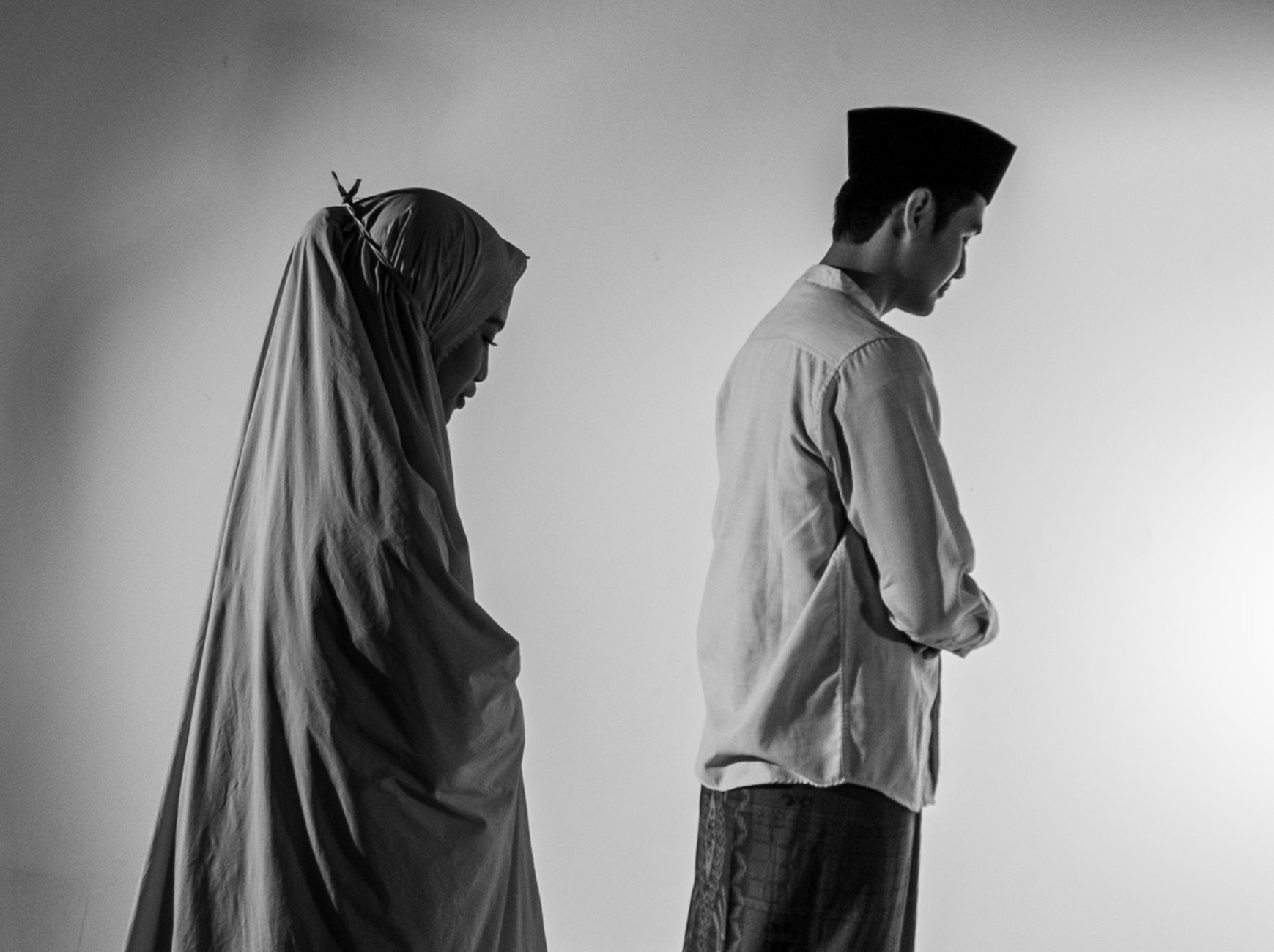
The Healing Power of Istighfar (Seeking Forgiveness): A Spiritual Prescription for Inner Peace and Emotional Health
In the relentless current of modern life, the human spirit often grapples with a deluge of anxieties, stresses, and the heavy burden of past mistakes. We yearn for tranquility, emotional equilibrium, and a profound sense of inner peace, yet these elusive states often seem just beyond our reach. While various paths are explored to address these deep-seated human needs, Islam offers a timeless, profound, and divinely revealed remedy: Istighfar – the sincere seeking of forgiveness from Allah (SWT).
This article delves into the transformative and multifaceted healing power of Istighfar, unveiling it as a comprehensive spiritual prescription for cultivating not only inner peace but also robust emotional and mental health. Far from being a mere ritualistic utterance, Istighfar, when practiced with sincerity and understanding, serves as a powerful cleanser for the soul, a balm for the wounded heart, and a conduit for divine mercy and blessings.
What is Istighfar? Beyond Mere Words
At its core, Istighfar (استغفار) is the act of supplicating to Allah (SWT) for forgiveness of one's sins, shortcomings, and transgressions. The most common phrase is "Astaghfirullah" (أستغفر الله), meaning "I seek forgiveness from Allah." However, the true essence of Istighfar transcends a simple verbal repetition. It embodies a holistic spiritual state comprising:
- Sincere Remorse: A genuine feeling of regret and sorrow for having committed a sin, realizing its gravity in the sight of Allah.
- Acknowledgement of Guilt: Humbly recognizing one's faults and the breach of Allah's commands.
- Firm Intention to Abstain: A resolute commitment not to repeat the sin in the future.
- Reliance on Allah's Mercy: Acknowledging that only Allah can forgive sins and grant absolution.
This profound act is deeply rooted in Islamic theology, emphasized repeatedly in the Quran and the Sunnah of Prophet Muhammad (PBUH) as a cornerstone of a believer's relationship with their Creator.
The Quranic and Prophetic Foundation of Istighfar
The significance of Istighfar is unequivocally established in the primary sources of Islam, highlighting its central role in a Muslim's spiritual journey.
Quranic Emphasis
The Holy Quran is replete with verses urging believers to turn to Allah in repentance and seek His forgiveness, promising immense rewards in return. Allah (SWT) says in Surat Hud (11:3):
"And [commanding], 'Seek forgiveness from your Lord and then repent to Him, [and] He will let you enjoy a good provision for a specified term and give every possessor of grace his grace.'"
Another powerful testament to its benefits is found in Surat Nuh (71:10-12), where Prophet Nuh (AS) tells his people:
"And said, 'Ask forgiveness of your Lord. Indeed, He is ever a Perpetual Forgiver. He will send [rain from] the sky upon you in [continuing] showers and give you increase in wealth and children and provide for you gardens and provide for you rivers.'"
These verses underscore that Istighfar is not merely a means of expiating sins but also a key to unlocking divine blessings, sustenance (Rizq), and prosperity in both this world and the Hereafter.
Prophetic Sunnah
The life of Prophet Muhammad (PBUH) serves as the ultimate embodiment of Istighfar. Despite being sinless and guaranteed Paradise, he would seek forgiveness from Allah 70 to 100 times a day, as narrated in authentic Hadith. When asked why he did so, he replied that it was to set an example for his Ummah and to elevate his spiritual station further. His practice teaches us that Istighfar is not only for sinners but for all believers as a continuous act of humility, devotion, and seeking closeness to Allah.
Numerous Hadith attest to the profound benefits:
- Prophet Muhammad (PBUH) said: "Indeed, I seek forgiveness from Allah and repent to Him more than seventy times a day." (Bukhari)
- He also said: "Whoever adheres to Istighfar, Allah will make for him a way out of every difficulty, and a relief from every anxiety, and will provide for him from where he does not expect." (Abu Dawud)
This prophetic guidance makes it clear that Istighfar is a spiritual lifeline, a constant connection to Allah's boundless mercy.
The Multidimensional Healing Power of Istighfar
The healing effects of Istighfar are far-reaching, touching every aspect of a believer's existence: spiritual, emotional, mental, and even physical.
Spiritual Purification and Light
Sins, both major and minor, accumulate like rust on the heart, darkening its purity and obscuring its connection to divine light. Istighfar acts as a powerful abrasive, polishing the heart, removing the stains of wrongdoing, and restoring its innate purity (fitra). Through sincere repentance, the heart is cleansed, making it more receptive to guidance and closer to Allah. This purification brings about a profound sense of spiritual lightness and clarity, allowing one to perceive the truth more acutely.
Emotional Release and Inner Peace
Guilt, shame, regret, and remorse are heavy emotional burdens that can weigh down the soul, leading to depression, anxiety, and a pervasive sense of unease. Istighfar offers an unparalleled emotional release. The act of acknowledging one's mistakes before the All-Forgiving and All-Merciful Lord, combined with the belief in His promise of forgiveness, lifts these burdens. This spiritual catharsis brings about a deep sense of relief, tranquility, and inner peace (sakinah). Just as observing your Prayer Times anchors your day in devotion, consistent Istighfar grounds your soul in tranquility. It is the ultimate antidote to emotional turmoil, allowing the heart to find solace in Allah's mercy.
Mental Clarity and Focus
Sins can cloud judgment, distract the mind, and lead to mental fog. When the heart is burdened with transgressions, the mind struggles to achieve clarity and focus. Istighfar, by purifying the heart, contributes significantly to mental clarity. It reduces overthinking, anxious thoughts, and mental clutter that often stem from unresolved guilt or internal conflict. A clear heart leads to a clear mind, enabling better decision-making, improved concentration, and a more positive outlook on life.
Physical Well-being
The intricate connection between the mind, body, and spirit is well-established. Chronic emotional stress, anxiety, and guilt can manifest as physical ailments, ranging from headaches and digestive issues to more severe conditions. By alleviating these emotional burdens, Istighfar indirectly contributes to physical well-being. The inner peace and contentment derived from seeking forgiveness reduce stress hormones, improve sleep, and boost the body's natural resilience. Whether you use a Qibla Finder to orient yourself physically in prayer, Istighfar is the spiritual compass guiding your heart back to Allah. This holistic approach to health acknowledges that true wellness encompasses all dimensions of human existence.
Rizq (Sustenance) and Barakah (Blessing)
As mentioned in Surat Nuh, Istighfar is a powerful magnet for divine sustenance and blessings. This is not limited to material wealth but extends to all aspects of life: good health, righteous offspring, beneficial knowledge, peace in family relationships, and success in endeavors. When one sincerely turns to Allah, seeking forgiveness and aligning with His commands, He opens doors of provision from unimaginable sources. The barakah (blessing) infused into one's life through Istighfar makes even little seem abundant and brings profound satisfaction. As you reflect on the blessings Istighfar can bring, consider how purification extends to your wealth through obligations like Zakat; you can easily calculate yours using a Zakat Calculator. This comprehensive understanding of sustenance emphasizes its spiritual dimensions.
How to Practice Istighfar Effectively
To fully harness the healing power of Istighfar, it must be practiced with sincerity and understanding, going beyond mere lip service.
- Sincere Intention (Niyyah): Begin with a pure intention to seek Allah's forgiveness, recognizing your need for His mercy.
- Remorse and Regret: Reflect on your sins with genuine regret, understanding their impact and Allah's displeasure.
- Firm Resolve to Change: Make a sincere commitment to abandon the sin and strive never to repeat it. This resolve is crucial for true repentance.
- Variety of Formulas: While "Astaghfirullah" is fundamental, incorporate other comprehensive duas.
- Sayyid al-Istighfar (The Master of Forgiveness): This profound supplication taught by the Prophet (PBUH) is recited particularly in the morning and evening, promising Paradise for those who recite it with conviction and die on that day. It begins: "Allahumma Anta Rabbee la ilaha illa Anta, Khalaqtanee wa ana 'abduka, wa ana 'ala 'ahdika wa wa'dika mastata'tu, A'udhu bika min sharri ma sana'tu, aboo-u laka bi ni'matika 'alayya, wa aboo-u bi dhanbee faghfir lee fa innahu la yaghfiru adhdhunuba illa Anta." (O Allah, You are my Lord. None has the right to be worshipped except You. You created me and I am Your servant and I am faithful to Your covenant and Your promise as much as I can. I seek refuge with You from all the evil I have done. I acknowledge before You all the blessings You have bestowed upon me, and I confess to You all my sins. So forgive me, for indeed, none can forgive sins except You.)
- Other supplications found in the Quran and Sunnah are also highly recommended.
- Consistency and Persistence: Make Istighfar a daily habit, not just when you feel you've sinned. The Prophet (PBUH) sought forgiveness continually. Regular remembrance keeps the heart alive and pure.
- Seek Forgiveness for Others: Extend your Istighfar to your parents, family, and the entire Muslim Ummah, as this too is a source of reward and blessing.
Istighfar as a Preventative and Curative Measure
Istighfar serves a dual function: it is both a preventative shield against accumulating spiritual impurities and a potent cure for existing emotional and spiritual wounds. By engaging in regular Istighfar, a believer establishes a continuous feedback loop with Allah, constantly purifying themselves, seeking guidance, and reinforcing their commitment to righteousness. This proactive approach prevents sins from hardening the heart and keeps the spiritual path clear. For past transgressions, it offers a pathway to redemption, healing the pangs of guilt and shame, and fostering a renewed sense of hope and purpose.
Conclusion
In a world searching for quick fixes and superficial solutions, The Healing Power of Istighfar (Seeking Forgiveness): A Spiritual Prescription for Inner Peace and Emotional Health stands as a profound testament to the holistic wisdom of Islam. It is a divine gift, a timeless spiritual practice that offers comprehensive healing for the soul, mind, and body. By embracing Istighfar with sincerity, understanding, and consistency, believers can unlock unparalleled levels of inner peace, emotional resilience, mental clarity, and divine blessings.
Let us all strive to make Istighfar an indispensable part of our daily lives, turning to Allah, the Most Forgiving, the Most Merciful, with humility and hope. For in His forgiveness lies our ultimate salvation, tranquility, and success in both worlds. Just as we plan for our earthly legacy using tools like an Inheritance Calculator to ensure fairness, Istighfar helps us build an eternal legacy of a purified heart. Indeed, Allah's mercy encompasses all things, and His doors of forgiveness are always open to those who sincerely turn to Him.
Expertly curated by the Muslim Tools team
© 2026 Muslim Tools. All rights reserved.