
How to Perform Ghusl: A Complete Guide to the Ritual Bath
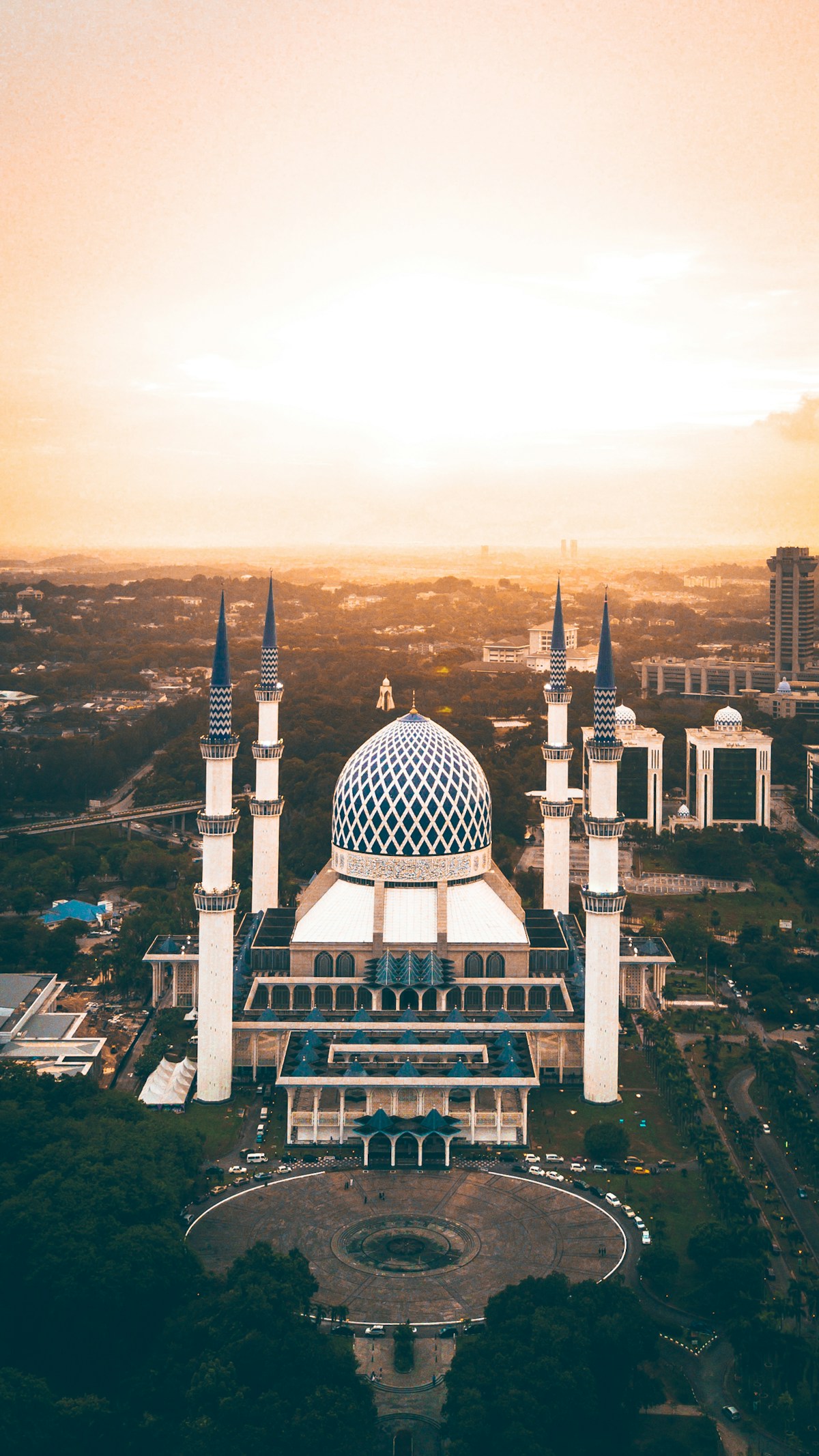
Purity (Taharah) is half of faith. While Wudu is sufficient for minor ritual impurity, there are specific circumstances that require a full-body ritual bath known as Ghusl. This article provide a step-by-step guide to the mandatory (Fard) and recommended (Sunnah) parts of Ghusl, ensuring that every Muslim can achieve complete purification according to the Prophetic tradition.
1. When is Ghusl Mandatory?
Ghusl is required (Fard) in the following cases:
- Following marital intimacy or the discharge of semen.
Completion of the menstrual cycle (Hayd*).
Completion of post-natal bleeding (Nifas*).
- Upon entering the fold of Islam (recommended/mandatory according to different schools).
- Before the burial of a deceased Muslim.
2. The Obligatory Parts (Fard) of Ghusl
According to the core requirements, for Ghusl to be valid, two things must happen:
1. Intention (Niyyah): Making the heart's intention to purify oneself for the sake of Allah.
2. Complete Water Coverage: Water must reach every single part of the body, including the hair, the roots of the hair, and the skin beneath it.
3. The Recommended (Sunnah) Method of Ghusl
The Prophet (pbuh) taught a more complete method that brings more reward and ensures thorough cleanliness:
- Washing the Hands: Three times up to the wrists.
- Washing the Private Parts: Cleaning any remaining impurity.
- Performing Wudu: Performing the standard Wudu as if for prayer (some scholars recommend leaving the feet until the end).
- Washing the Head: Pouring water over the head three times, ensuring it reaches the scalp.
- Washing the Body: Washing the right side of the entire body, then the left side, ensuring no part (like the belly button or behind the knees) is missed.
4. Ghusl for Friday Prayer and Eids
While not mandatory, performing Ghusl on Friday (Jumu'ah) and for the two Eid prayers is strongly recommended (Sunnah Mu'akkadah). It is a way of honoring the gathering and the sacred day.
Conclusion: Purity of Body and Soul
Ghusl is not just physical washing; it is a spiritual reset that allows the believer to re-enter the presence of Allah in a state of 'Fitrah' (primordial purity).
Stay pure and disciplined with our tools. Monitor your Prayer Times to ensure you are ready for every Salah, find your direction with the Qibla Finder, and ensure your social capital is purified melalui Zakat. For the ultimate manual of spiritual and physical purity, always return to the Quran.
Expertly curated by the Muslim Tools team
© 2026 Muslim Tools. All rights reserved.