
The Importance of Islamic Arts: Cultivating Creativity and Spiritual Expression in Muslim Children
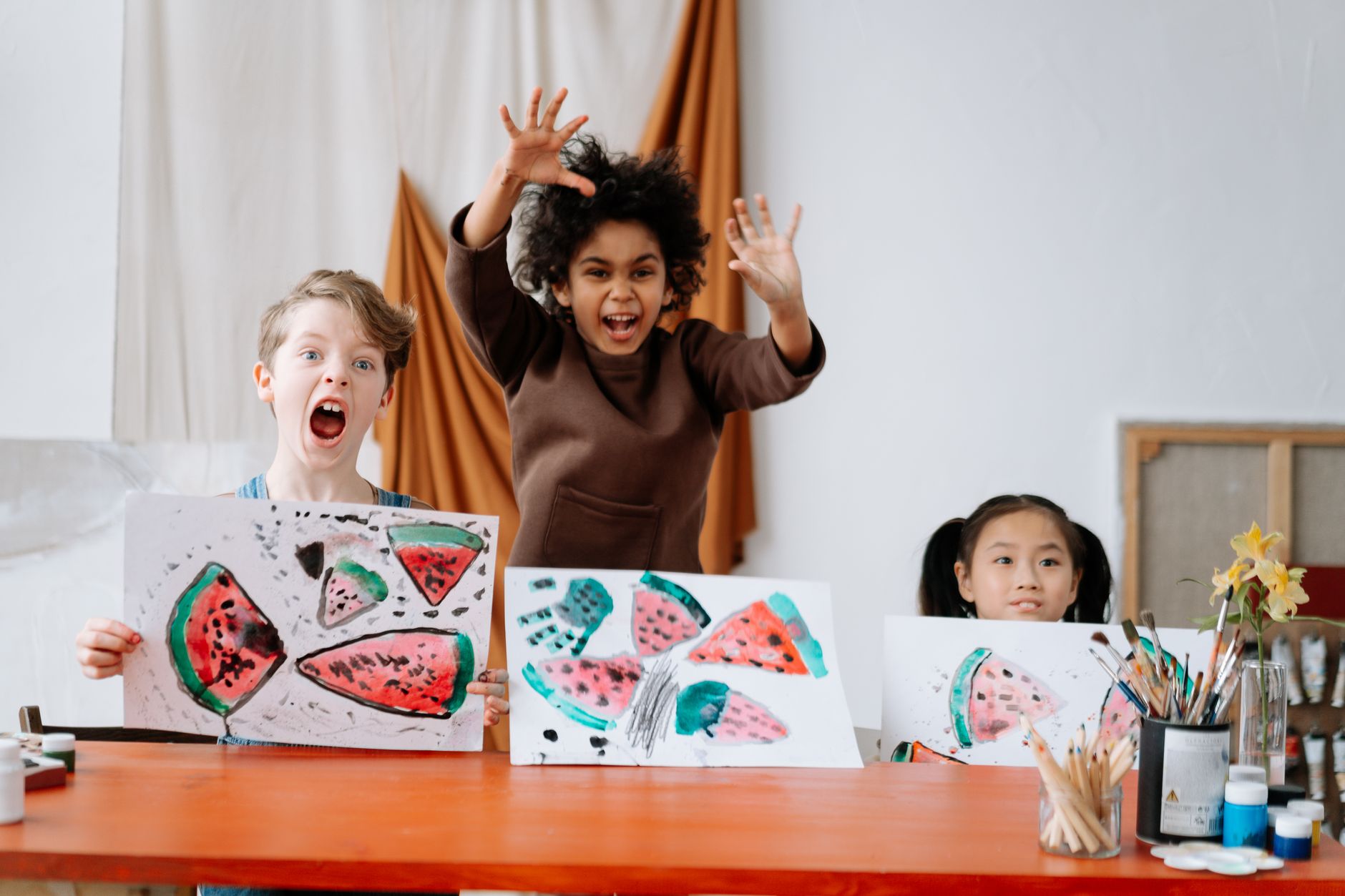
In a world increasingly shaped by digital influences, fostering creativity and spiritual depth in children has become paramount. For Muslim families, this quest often intertwines with the rich tapestry of Islamic heritage. Islamic arts, far from being mere aesthetic embellishments, serve as profound vehicles for cultivating not only artistic skill but also a deep connection to faith and cultural identity. This article delves into the multifaceted importance of Islamic arts in the lives of Muslim children, exploring how these divine expressions can ignite imagination, instill spiritual values, and shape well-rounded individuals.
What Are Islamic Arts? Beyond the Brushstroke and Compass
Islamic art is a vast and diverse field, often misunderstood as solely encompassing calligraphy and geometric patterns. While these are foundational, the scope is much broader, reflecting the unity and diversity of the Muslim world. It’s an art form that intentionally avoids figural representation of living beings (especially humans and animals in sacred contexts) to prevent idolatry, instead channeling creative energy into abstract forms that point towards the Oneness of Allah (SWT).
- Calligraphy: The veneration of the written word, particularly the Quran, elevated script to a high art form. Learning Arabic script through calligraphy teaches patience, precision, and reverence for the divine text.
- Geometric Patterns: Intricate tessellations and star patterns symbolize the infinite nature of Allah and the order of the universe. Creating these patterns engages mathematical thinking and an appreciation for cosmic harmony.
- Arabesque (Floral Patterns): Stylized vegetative motifs, often symmetrical and repeating, represent the beauty of Jannah (Paradise) and the abundance of creation.
- Illumination & Miniatures: Found in manuscripts, these vibrant and detailed arts often depict historical events, stories from the Quran, or poetic narratives, offering visual storytelling.
- Architecture & Design: Mosques, homes, and public buildings throughout Islamic history showcase intricate tilework, arches, domes, and muqarnas – a testament to integrated artistic and functional design.
- Textile Arts: From prayer rugs to elaborate tapestries, weaving, embroidery, and dyeing techniques create stunning patterns and textures.
- Nasheed & Anashid (Vocal Arts): Though not visual, these devotional songs are an integral part of Islamic artistic expression, fostering spiritual connection through sound.
The Spiritual Dimension: Connecting with Allah (SWT) Through Creativity
For Muslim children, engaging with Islamic arts is more than just a hobby; it’s a pathway to spiritual growth. These art forms are inherently infused with Tawhid (the Oneness of God) and serve as a constant reminder of creation and the Creator.
- Reflection on Divine Attributes: The symmetry in geometric patterns can lead a child to ponder Allah's perfection and order in the cosmos. The endless repetition in Arabesque can reflect His infinite mercy and power.
- Reverence for the Quran: Calligraphy, especially when writing verses from the Quran, instills a deep respect for the sacred text. Children learn the beauty of the Arabic language and the profound meanings it carries.
- Fostering Inner Peace: The meditative process of creating intricate designs or carefully forming Arabic letters can cultivate patience, focus, and a sense of calm, echoing the tranquility found in remembrance of Allah.
- Understanding Islamic Values: Many art forms derive inspiration from Islamic ethics – generosity, balance, community. For instance, designing a communal space in miniature can teach about the importance of shared spaces and collective well-being.
Cognitive & Developmental Benefits: Sharpening Minds and Building Identity
Beyond the spiritual, Islamic arts offer a wealth of cognitive and developmental advantages that are crucial for a child's growth.
- Problem-Solving Skills: Creating geometric patterns requires logical thinking, spatial reasoning, and mathematical understanding. It's an engaging way to introduce complex concepts.
- Fine Motor Skills & Hand-Eye Coordination: Activities like calligraphy, painting, and detailed drawing significantly enhance dexterity and precision.
- Cultural Identity & Pride: Engaging with these ancient and beautiful traditions helps children connect with their heritage, fostering a strong sense of identity as Muslims. It’s a tangible link to thousands of years of rich civilization.
- Boosts Creativity & Imagination: While guided by principles, Islamic arts allow for immense personal interpretation and innovation within established frameworks, encouraging children to think imaginatively.
Practical Ways to Integrate Islamic Arts for Children
Parents and educators can proactively introduce Islamic arts into a child's life through various engaging activities:
- Calligraphy Workshops: Start with simple Arabic letters or the child's name. Use different mediums – pens, brushes, even finger painting for younger children. This connects them directly to the language of the Quran.
- Geometric Pattern Play: Use rulers, compasses, or even pre-made templates to create and color intricate patterns. Discuss how these patterns are seen in mosques and Islamic architecture globally.
- Illuminated Storytelling: Read stories from the lives of the Prophets or Sahabah, then encourage children to illustrate scenes in an illuminated style, focusing on patterns and colors rather than direct figural representation.
- DIY Mosque Models: Construct simple mosque models using craft materials, exploring domes, arches, and minarets. This can spark conversations about the significance of Prayer Times and the direction of the Qibla Finder.
- Textile Decor: Decorate plain fabrics with Islamic patterns using fabric paints or markers, perhaps creating a small prayer mat or a decorative wall hanging.
- Nasheed & Anashid Sessions: Introduce children to beautiful Islamic vocal art. Encourage them to sing along, understand the lyrics, and even compose simple, morally uplifting rhymes.
Fostering a Supportive Environment and Broader Islamic Knowledge
Creating an environment where Islamic arts thrive requires more than just providing materials; it necessitates encouragement, exposure, and a holistic approach to Islamic education. This includes understanding the broader principles of Islam, from daily spiritual practices to societal responsibilities.
While children engage with art, parents can introduce them to various aspects of Muslim life. For instance, explaining the spiritual significance of Prayer Times or how a Qibla Finder helps Muslims globally align for prayer can deepen their understanding of ritual and community. As they grow, they will encounter more complex facets of Islamic life, such as the principles behind charitable giving, which can be explored using a Zakat Calculator, or understanding the nuances of family responsibilities, where an Inheritance Calculator becomes a practical tool for adults applying Islamic law.
By integrating art with other forms of Islamic knowledge, we ensure that children appreciate the interconnectedness of their faith, culture, and daily lives. This approach nurtures not just artists, but thoughtful, responsible Muslims.
The Broader Impact: Preserving Heritage and Nurturing Future Generations
By valuing and promoting Islamic arts among children, we are doing more than just encouraging creativity; we are actively contributing to the preservation of a vital cultural heritage. These art forms are living testaments to Islamic civilization's intellectual and spiritual achievements. When children engage with them, they become custodians of this legacy, ensuring its continuity for future generations. Moreover, the discipline, spiritual insight, and creative expression gained through Islamic arts prepare them to face the challenges of the modern world with resilience, identity, and a profound sense of purpose rooted in their faith.
Conclusion: Art as a Bridge to Faith and Identity
Islamic arts offer an invaluable avenue for Muslim children to explore their creativity while deeply connecting with their spiritual heritage. From the mesmerizing geometry that reflects Allah's infinite wisdom to the elegant calligraphy that venerates His words in the Quran, these art forms are much more than visual aesthetics. They are tools for cognitive development, emotional expression, and a powerful means to cultivate a strong, positive Muslim identity. Let us empower our children to dip their brushes into the vibrant palette of Islamic art, nurturing their imaginations and illuminating their spiritual paths for a fulfilling life, Insha'Allah.
Expertly curated by the Muslim Tools team
© 2026 Muslim Tools. All rights reserved.