
The Principles of Islamic Aesthetics: Finding Divine Beauty in Art, Architecture, and Everyday Life
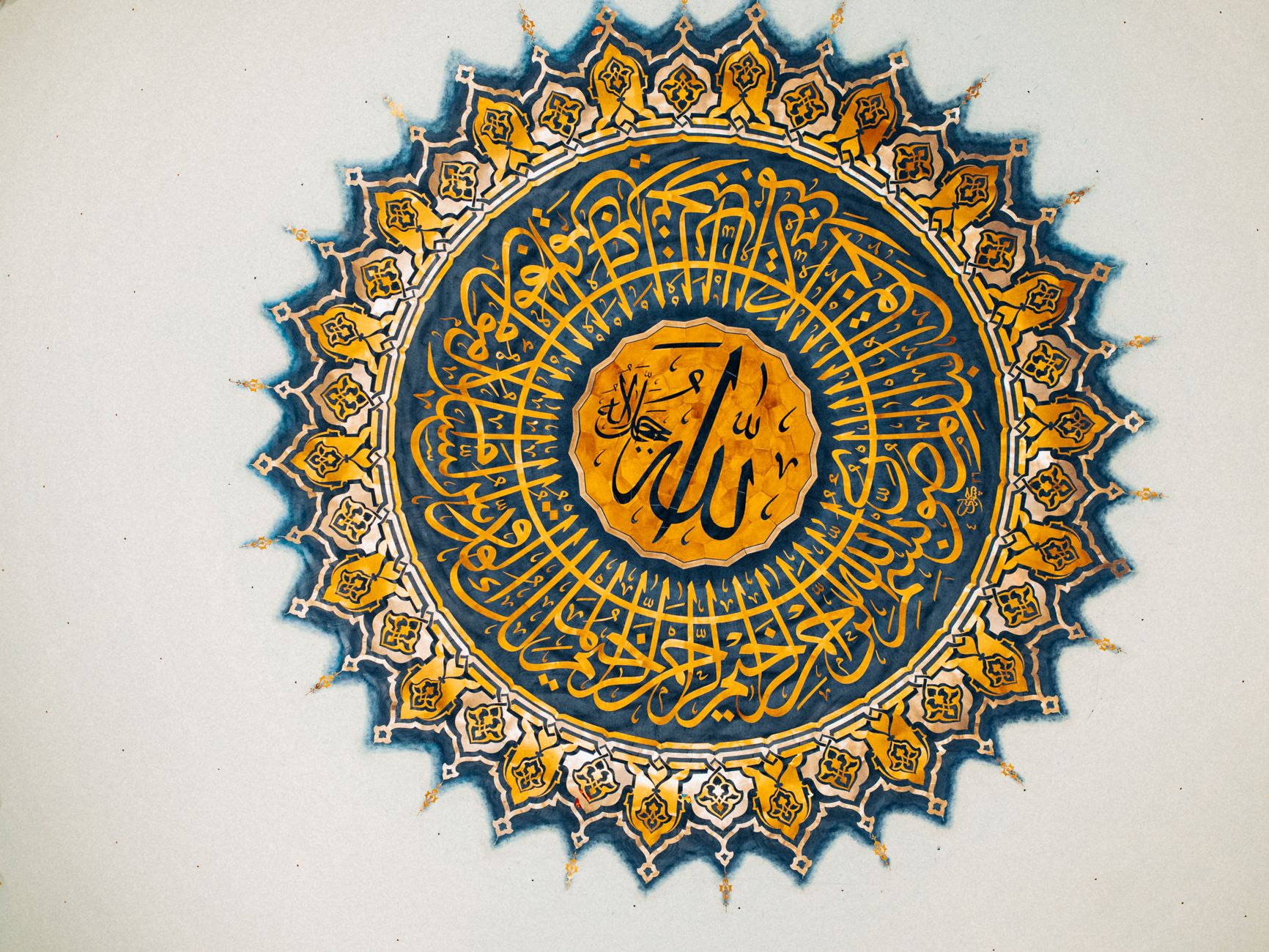
In a world often fixated on fleeting trends and superficial allure, Islam offers a profound and enduring understanding of beauty, rooted in the divine. Islamic aesthetics is not merely a school of art or a collection of decorative styles; it is a holistic paradigm that perceives beauty as an intrinsic attribute of God (Allah) and a guiding principle for life itself. From the intricate patterns of a mosque to the rhythmic movements of prayer, the principles of Islamic aesthetics invite us to find divine beauty in art, architecture, and every facet of everyday life. This article delves into the core tenets of this unique aesthetic philosophy, exploring how it shapes our physical surroundings and elevates our spiritual consciousness.
At the heart of Islamic aesthetics lies a set of profound principles that distinguish it from other artistic traditions. These tenets are not arbitrary rules but reflections of a worldview deeply anchored in Tawhid, the oneness of God.
1. Tawhid: The Oneness of God and Ultimate Source of Beauty
The bedrock of Islamic thought, Tawhid (توحيد), dictates that God is unique, incomparable, and the ultimate source of all perfection and beauty. This principle profoundly influences aesthetics by:
- Unity in Diversity: Emphasizing coherence and harmony in design, reflecting God's unified creation.
- Transcendence over Anthropomorphism: Discouraging the depiction of God or human figures in sacred contexts to avoid idolatry, thus fostering abstract forms.
- Infinite Detail: Suggesting the boundless nature of God's creation through intricate, often repeating patterns that extend beyond the frame, implying infinity.
This focus redirects the gaze from the created to the Creator, seeking beauty not in form alone, but in its reflection of divine attributes.
2. Transcendence and Aniconism: Guiding the Eye Towards the Unseen
Flowing from Tawhid, the principle of transcendence encourages the artist to allude to the unseen, rather than merely represent the seen. This often manifests as aniconism – the deliberate avoidance of figurative representation, especially in religious contexts. Instead, Islamic art employs:
- Calligraphy: Elevating the written word, particularly Quranic verses, into a supreme art form, emphasizing the beauty of divine revelation.
- Geometric Patterns: Complex, interlocking designs that symbolize the infinite, the order of the cosmos, and the interconnectedness of all things.
- Arabesques: Stylized, intertwining vegetal motifs that suggest organic growth and the perpetual renewal of life, without direct imitation of nature.
These abstract forms are not devoid of meaning; they are portals to contemplation, guiding the observer towards a deeper, spiritual understanding of existence.
3. Utility and Functionality: Beauty with Purpose
In Islamic aesthetics, beauty is rarely divorced from purpose. An object or structure is beautiful not only for its form but also for its utility and how well it serves its function. A beautifully crafted ceramic bowl is meant to hold food, a stunning carpet to be walked upon, and an exquisite mosque to facilitate worship. This integration ensures that aesthetic value enhances daily life rather than being a detached pursuit. There is an inherent beauty in an object that perfectly fulfills its intended role, reflecting a divine order where everything has a purpose.
4. Balance and Harmony (Mizan): The Cosmic Order
The concept of Mizan (ميزان), meaning balance or scale, is central to Islamic aesthetics. It reflects the cosmic order established by Allah, where everything is created in due proportion and harmony. This principle is evident in:
- Symmetry and Proportion: Often seen in architectural layouts and decorative motifs, creating a sense of stability and peace.
- Rhythm and Repetition: Found in repeating patterns, arches, and structural elements, echoing the cyclical nature of existence and continuous praise of God.
- Contrast: Subtle interplay of light and shadow, texture, and color that adds dynamism without disrupting overall tranquility.
Achieving Mizan in art and life is seen as an act of aligning with the divine order, fostering inner peace and spiritual equilibrium. This balance extends to financial ethics, such as the just distribution of wealth, which can be guided by tools like the Zakat Calculator and the Inheritance Calculator, ensuring societal harmony.
5. Purity and Cleanliness (Tahara): A Foundation for Beauty
Physical and spiritual purity (Tahara, طهارة) is a prerequisite for approaching the divine and appreciating true beauty. This principle influences architecture through the inclusion of ablution fountains in mosques and the emphasis on clean, uncluttered spaces. In personal life, it manifests as cleanliness of body, attire, and environment. A clean space is a beautiful space, facilitating clarity of thought and devotion. This is why rituals like those performed at specific Prayer Times begin with ablution, preparing both body and soul.
6. Modesty and Humility: Inner Beauty Over Ostentation
While Islamic art can be incredibly rich and detailed, it often avoids overt ostentation or glorification of the self. The beauty is meant to draw attention to God's majesty, not the artist's ego. This principle fosters a sense of humility and emphasizes inner beauty – of character, intention, and action – over external show. Decorations serve to enhance, not overwhelm, and are often discovered through closer inspection, rewarding contemplation.
Calligraphy: The Art of the Divine Word
Islamic calligraphy is arguably the most revered art form, holding a sacred status due to its connection with the Quran. Master calligraphers meticulously shape letters into mesmerizing compositions, transforming divine revelation into visual poetry. Its beauty lies not just in its intricate forms but in its ability to convey profound spiritual meaning, inviting reflection on God's words.
Geometric Patterns: Windows to Infinity
The elaborate geometric patterns, meticulously constructed from basic shapes like squares, circles, and stars, are a hallmark of Islamic art. Their intricate interweaving and endless repetition symbolize the infinite nature of God and the ordered complexity of the universe. They transcend cultural boundaries, offering a universal language of harmony and mathematical precision, often designed to evoke a sense of awe and contemplation.
Arabesque Patterns: The Breath of Life
Arabesques, characterized by their flowing, often symmetrical, and vegetal designs, represent the natural world without direct imitation. They symbolize growth, life, and the interconnectedness of creation, drawing the eye in complex yet harmonious spirals. These patterns often adorn walls, textiles, and manuscripts, bringing a vibrant, organic beauty to rigid structures.
Architecture: Spaces of Tranquility and Devotion
Islamic architecture, particularly that of mosques, epitomizes the principles of aesthetics.
- Mosques: Designed to facilitate devotion, mosques often feature grand domes, towering minarets, and spacious prayer halls. The direction of prayer, indicated by the mihrab, is determined by the Qibla Finder, orienting worshippers towards the Kaaba.
- Light and Space: Natural light is often masterfully employed to create ethereal atmospheres, while open courtyards and flowing water provide tranquility and a connection to nature.
- Ornamentation: Walls are adorned with calligraphy, geometric, and arabesque patterns, transforming structures into spiritual experiences.
Beyond mosques, palaces, gardens, and fountains exhibit similar principles, creating environments that balance grandeur with serenity, function with beauty.
Finding Divine Beauty in Everyday Life:
The principles of Islamic aesthetics extend beyond art and architecture, permeating the very fabric of daily existence.
Personal Conduct and Ethics (Akhlaq)
Perhaps the most profound application of Islamic aesthetics is in Akhlaq (أخلاق), or character and ethics. A beautiful soul, characterized by kindness, honesty, generosity, and justice, is considered the highest form of beauty. Islam encourages Muslims to embody these virtues, making their lives a reflection of divine attributes. The call to prayer at specific Prayer Times serves as a daily reminder to cultivate inner beauty and align one's actions with divine will.
Dress and Adornment
Islamic dress emphasizes modesty, cleanliness, and appropriateness. While encouraging elegance and adornment, it discourages extravagance and vanity. The beauty in dress lies in its grace, humility, and reflection of inner purity, rather than its material value or ability to attract undue attention.
Home Environment
The Muslim home is often a sanctuary of peace and cleanliness. Emphasis is placed on order, functionality, and creating an inviting atmosphere for family and guests. Simple yet elegant furnishings, natural light, and the absence of clutter reflect a desire for tranquility and spiritual focus, making the home a truly beautiful space.
The Beauty of Giving: Zakat and Inheritance
Even in financial matters, Islamic principles guide towards beauty. The purification of wealth through Zakat removes avarice and fosters social solidarity, creating a more beautiful and equitable society. Similarly, the detailed guidelines for inheritance ensure justice and prevent discord, upholding the beauty of family and community bonds. These acts of giving and fair distribution embody the principle of Mizan in economic life.
The Pursuit of Beauty as Worship:
The Prophet Muhammad (peace be upon him) famously said, "Indeed, Allah is beautiful and loves beauty." This profound statement encapsulates the Islamic approach. To appreciate beauty, to create it with noble intention, and to embody it in one's character and actions is an act of worship. It is a constant endeavor to see and reflect the divine attributes in the world around us, transforming the mundane into the sacred, and elevating human experience to a realm of spiritual contemplation.
The principles of Islamic aesthetics offer a rich, multifaceted framework for understanding and engaging with beauty. Rooted in Tawhid, they guide us towards a holistic appreciation that transcends superficial appearances, emphasizing transcendence, utility, balance, purity, and modesty. From the intricate geometry of a mosque to the simple elegance of daily conduct, Islamic aesthetics invites us to perceive the divine hand in creation and to strive for an inner and outer beauty that brings us closer to the Creator. By embracing these principles, we not only enrich our lives but also contribute to a world that reflects the profound harmony and grace of Allah's ultimate design.
Expertly curated by the Muslim Tools team
© 2026 Muslim Tools. All rights reserved.