
Beyond Anxiety: The Islamic Approach to Holistic Mental Wellness and Emotional Resilience
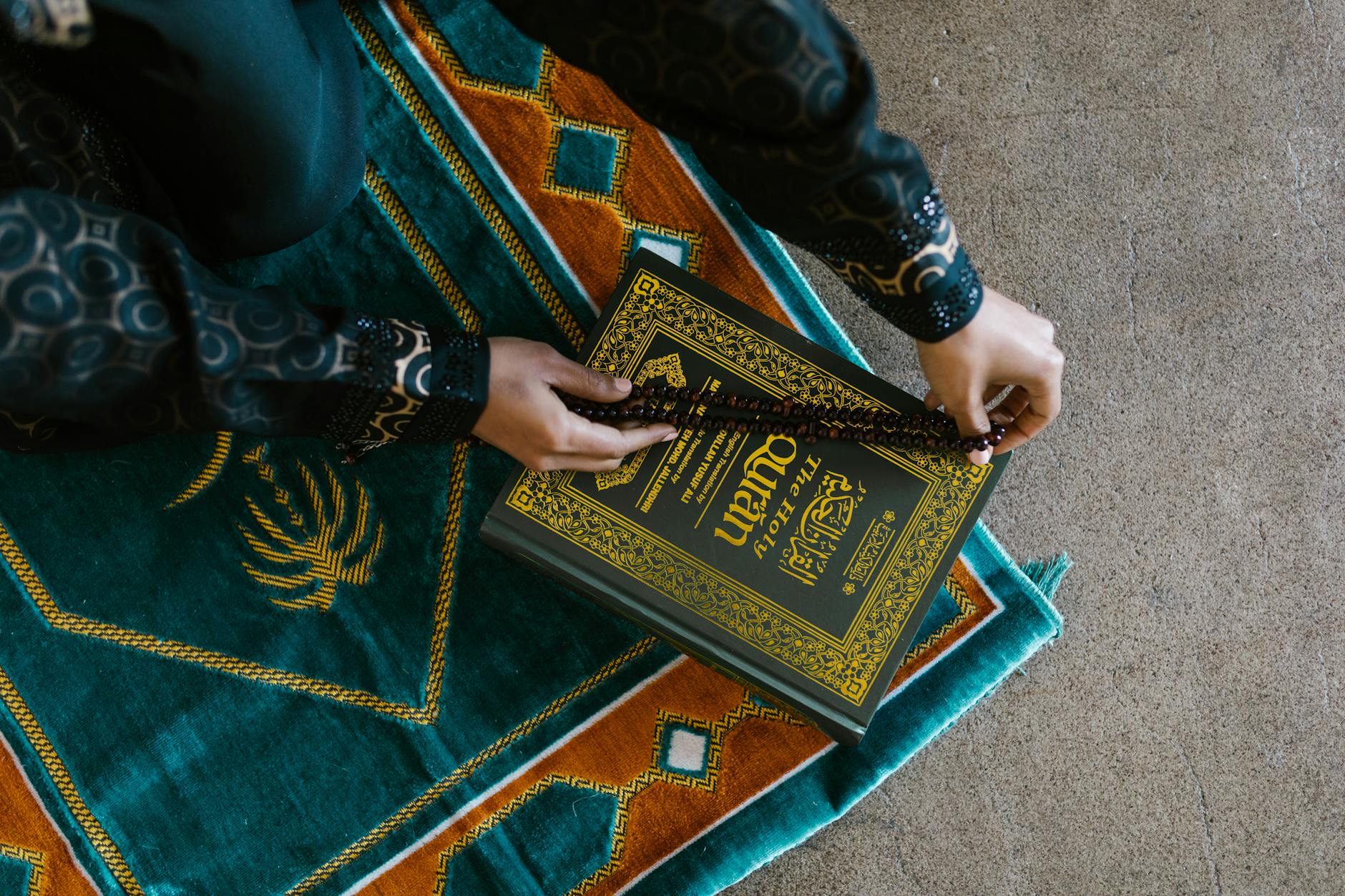
In an age characterized by unprecedented access to information and relentless pressure, the human mind often finds itself grappling with a pervasive sense of anxiety. While contemporary psychology offers valuable tools, the Islamic tradition presents a profound, holistic, and deeply spiritual framework for achieving not just mental health, but true emotional resilience and inner peace. This article delves into how the Islamic approach, rooted in divine wisdom, extends beyond mere coping mechanisms to foster a profound state of wellness that can withstand life's inevitable storms.
Beyond Anxiety: An Islamic Definition
Anxiety, in its modern understanding, often points to apprehension about the future or a feeling of being overwhelmed. Islam acknowledges these human emotions but frames them within a larger spiritual context. It teaches that while worry is natural, chronic anxiety often stems from a disconnection from one's Creator, a lack of trust in divine decree (Qadar), or an excessive attachment to worldly affairs (Dunya). Holistic mental wellness, therefore, isn't merely the absence of distress but the presence of sakinah (tranquility), itmi'nan (contentment), and unwavering faith (Iman).
The Quranic Blueprint for Inner Peace: Foundations of Faith
At the core of the Islamic approach lies the immutable wisdom of the Quran. The Holy Book provides a complete guide to life, addressing the spiritual, emotional, and psychological dimensions of human existence.
1. Tawhid and Trust in Allah (Tawakkul)
- Oneness of God (Tawhid): The foundational principle of Islam asserts that there is no god but Allah. This belief cultivates a singular focus, eliminating the mental clutter of serving multiple masters or worrying about myriad outcomes. True liberation from anxiety begins with understanding that all power, provision, and ultimate control reside with one Divine Being.
- Trust in Allah (Tawakkul): Once Tawhid is established, Tawakkul naturally follows. It is the sincere reliance on Allah after taking all necessary, permissible means. The Quran states, "And whoever relies upon Allah – He is sufficient for him" (Quran 65:3). This trust is a powerful antidote to anxiety, as it shifts the burden of insurmountable problems from the individual to the All-Powerful.
2. Purpose of Life (Khalifah) and Meaning
Islam provides a clear purpose for human existence: to worship Allah and be His vicegerents (Khalifah) on Earth. This sense of purpose gives life meaning and direction, alleviating existential anxieties that often plague modern individuals. Understanding one's role in the grand scheme of creation fosters a sense of responsibility and fulfillment.
3. Dhikr (Remembrance of Allah)
The constant remembrance of Allah (Dhikr) is perhaps the most direct and potent remedy for an anxious heart. The Quran declares, "Verily, in the remembrance of Allah do hearts find rest" (Quran 13:28). Dhikr takes many forms: reciting the Quran, repeating Allah's names, or simply contemplating His attributes. It acts as a spiritual anchor, grounding the soul amidst turmoil.
4. Dua (Supplication): The Direct Connection
Dua is the believer's direct line to Allah, a heartfelt conversation, an expression of need, and a submission of worries. It is a profound act of worship that simultaneously humbles the individual and empowers them with the knowledge that their pleas are heard. This direct connection alleviates feelings of isolation and hopelessness, which often fuel anxiety.
Pillars of Islamic Practice for Mental Strength
The practical rituals of Islam are not mere traditions but carefully designed exercises for spiritual and mental fortification.
1. Salat (Prayer): The Daily Rejuvenation
The five daily prayers (Salat) are a structured disconnection from worldly affairs and a reconnection with the Divine. Performed at specific intervals, they instill discipline, mindfulness, and regular spiritual cleansing. For Muslims worldwide, the daily ritual of Salat, performed at specific prayer times, serves as a consistent anchor, reminding them of their purpose and reliance on Allah. The physical postures, measured recitations, and moments of prostration offer a powerful meditative experience that calms the nervous system and fosters gratitude.
2. Zakat & Sadaqah: Purification and Compassion
The purification of wealth through Zakat and Sadaqah (charity) is another potent antidote to worldly attachments and anxieties. Giving alleviates the stress of others, fosters empathy, and purifies one's own heart from greed and materialism, which are often underlying causes of anxiety. Tools like a Zakat Calculator simplify this essential duty, ensuring believers fulfill their obligations with ease and confidence.
3. Fasting (Sawm): Self-Control and Spiritual Discipline
The month of Ramadan, with its obligatory fasting, teaches self-control, patience, and empathy. It reorients priorities, focusing on spiritual growth over material desires. The discipline cultivated during fasting extends to other areas of life, enhancing one's ability to resist negative thoughts and impulses, thereby strengthening mental resilience.
Prophetic Wisdom (Sunnah) for Emotional Resilience
The life and teachings of Prophet Muhammad (peace be upon him) offer practical guidance for navigating emotional challenges.
1. Patience (Sabr) and Gratitude (Shukr)
The Prophet (PBUH) taught that a believer's affairs are wondrous: "If something good happens to him, he is grateful and that is good for him. If something bad happens to him, he is patient and that is good for him." (Muslim). Cultivating Sabr (patience) in adversity and Shukr (gratitude) in prosperity are core components of emotional resilience. They shift perspective from loss to lesson, from complaint to appreciation.
2. Moderation (Wasatiyyah) and Balance
Islam promotes a balanced approach to all aspects of life (Wasatiyyah). Avoiding extremes in worship, worldly pursuits, or even emotions, prevents burnout and fosters stability. This balance is crucial for maintaining mental equilibrium.
3. Brotherhood/Sisterhood (Ukhuwwah) and Community Support
Islam places immense value on community. The mosque, family ties, and social connections provide a robust support system. Sharing burdens, offering advice, and simply being present for one another are Islamic traditions that combat isolation and foster collective resilience. For optimal spiritual alignment during prayer, ensuring our prayers are directed towards the Kaaba is essential. For accurate alignment, a reliable Qibla Finder is an invaluable tool for every Muslim.
4. Seeking Knowledge (Ilm) and Reflection (Tadabbur)
At the very heart of Islamic guidance lies the Quran, the divine revelation, which illuminates the path to understanding oneself and the universe. Seeking beneficial knowledge, whether religious or worldly, broadens perspective and equips the mind to process challenges more effectively. Reflection (Tadabbur) on Allah's signs in creation and the meanings of the Quran deepens understanding and cultivates inner peace.
Practical Islamic Tools for Navigating Life's Challenges
Beyond the foundational principles, Islam offers pragmatic strategies for daily living.
- Seeking Professional Help: Islam encourages seeking knowledge and solutions. Just as one seeks medical help for physical ailments, seeking professional psychological counsel is permissible and encouraged when needed. The key is to integrate this with Islamic principles, ensuring treatment aligns with one's faith.
- Financial Planning and Justice: Islam provides clear guidelines for financial stewardship, including the distribution of wealth and managing debts. Understanding these principles through resources like an inheritance calculator can prevent future anxieties, ensure justice among family members, and mitigate common sources of stress.
- Self-Accountability (Muhasabah): Regularly reflecting on one's actions, intentions, and character fosters self-awareness and personal growth. This internal audit helps identify and address negative patterns that contribute to anxiety.
- Healthy Lifestyle (Body and Mind): Islam emphasizes care for the physical body through healthy eating, exercise, and adequate rest. A healthy body is intrinsically linked to a healthy mind.
Conclusion: A Holistic Path to Enduring Peace
The Islamic approach to mental wellness and emotional resilience is far from a simplistic remedy; it is a comprehensive lifestyle, a worldview that integrates the spiritual, emotional, physical, and social aspects of human existence. By fostering a deep connection with Allah, practicing the pillars of faith, emulating prophetic wisdom, and utilizing practical Islamic tools, believers can transcend the grip of anxiety and cultivate a profound, enduring state of inner peace and resilience. It is an invitation to live a life not merely free from distress, but rich in purpose, tranquility, and unwavering trust in the Divine.
Expertly curated by the Muslim Tools team
© 2026 Muslim Tools. All rights reserved.