
Declutter Your Home, Declutter Your Soul: An Islamic Approach to Minimalism and Mindful Living
Declutter Your Home, Declutter Your Soul: An Islamic Approach to Minimalism and Mindful Living
In an age defined by consumption and constant acquisition, the modern Muslim often finds themselves grappling with the paradox of abundance leading to anxiety rather than contentment. Our homes overflow with possessions, our schedules are crammed with commitments, and our minds are besieged by an incessant stream of information. It's a pervasive clutter that extends beyond the physical, permeating our spiritual and mental landscapes. Yet, embedded within the timeless wisdom of Islam lies a profound antidote: an inherent call to simplicity, mindful living, and detachment – concepts strikingly similar to what the modern world now terms minimalism. This article, titled "Declutter Your Home, Declutter Your Soul: An Islamic Approach to Minimalism and Mindful Living," explores how Islamic teachings not only endorse but actively prescribe a life free from excess, fostering a deeper connection with Allah and true inner peace.
The Islamic Philosophy of Simplicity: Foundations of a Mindful Life
Far from being a contemporary trend, the essence of minimalism is woven into the very fabric of Islamic belief and practice. It's a spiritual discipline aimed at purifying the heart from the distractions of dunya (worldly life) to focus on akhira (the afterlife) and the pleasure of Allah.
Zuhd: Detachment, Not Deprivation
Central to Islamic minimalism is the concept of Zuhd. Often misunderstood as asceticism or extreme poverty, Zuhd, in its true Islamic sense, means detachment of the heart from worldly possessions while still benefiting from them. It's not about abandoning the world, but rather about preventing the world from entering and corrupting the heart. As Imam Ali (RA) said, “Zuhd is to not rejoice over what you gain and not grieve over what you lose.” It encourages us to view possessions as a trust (amanah) from Allah, to be used responsibly and shared generously, rather than clung to as a source of identity or ultimate happiness.
Tawakkul: Reliance on Allah
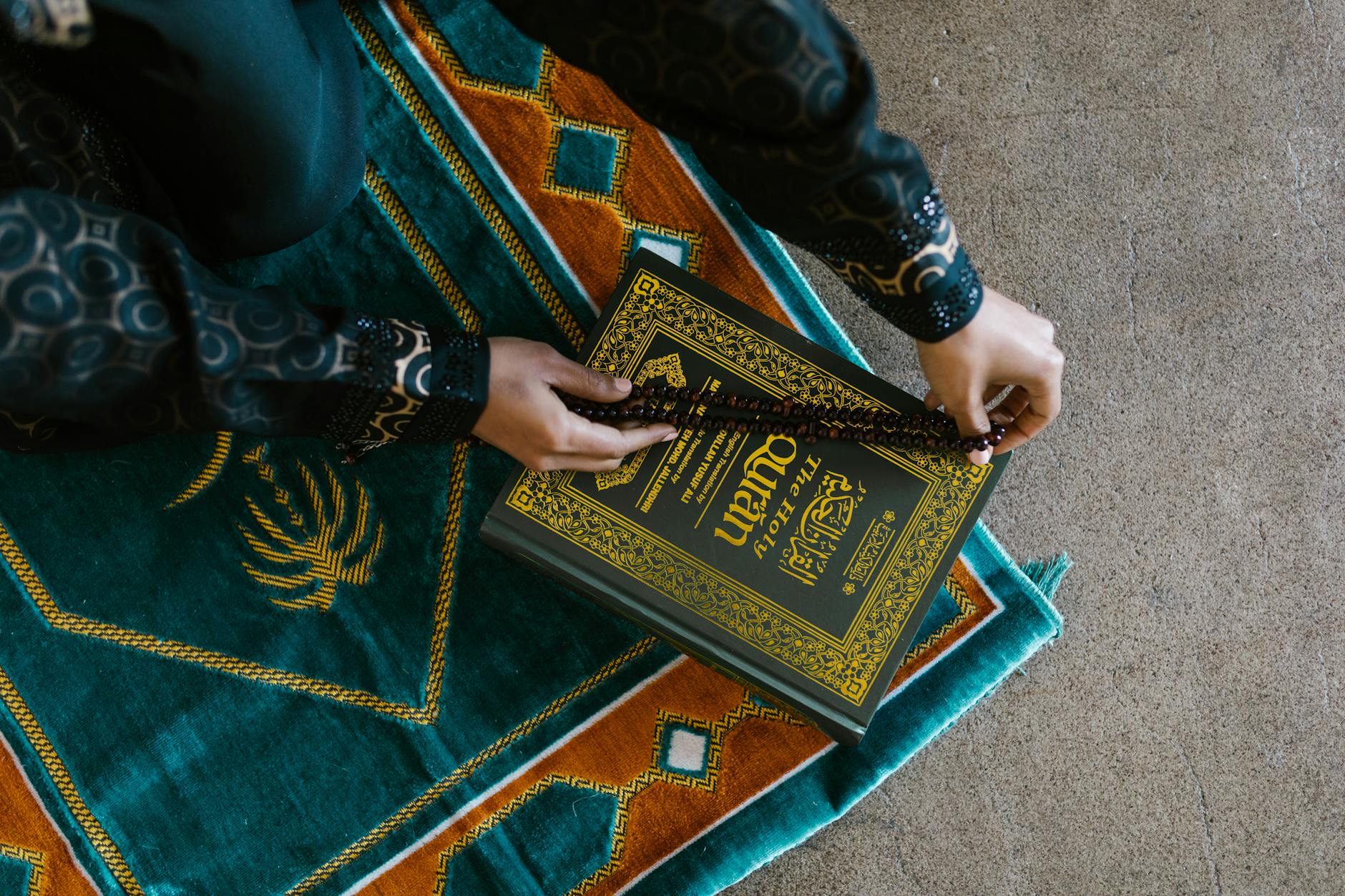
A minimalist lifestyle, by reducing our reliance on material comforts, naturally cultivates Tawakkul – complete reliance on Allah. When we free ourselves from the constant pursuit of more, we trust that Allah will provide for our true needs. This trust brings immense peace and removes the anxiety associated with scarcity or loss. It reminds us that our true provision comes from Allah, not from the accumulation of wealth or goods. To deepen your understanding of Islamic tenets, a comprehensive resource is the Quran, which elucidates these core principles.
Barakah: Blessing in Sufficiency
Islam teaches us about Barakah, divine blessing. Often, we find that a little, when blessed by Allah, goes further and provides more contentment than an abundance devoid of blessing. Minimalism invites us to seek Barakah in sufficiency, rather than in excess. It's a mindset that recognizes true wealth lies not in how much we own, but in how much peace, gratitude, and purpose we possess.
Israf & Tabdheer: Avoiding Extravagance and Waste
The Quran explicitly warns against extravagance (Israf) and wasteful expenditure (Tabdheer). Allah says: "...and do not be extravagant. Indeed, He does not like those who are extravagant." (Quran 6:141). These prohibitions directly contradict the consumerist culture that drives clutter. Islamic minimalism is a practical application of these verses, encouraging us to consume only what is necessary, appreciate what we have, and avoid squandering resources that could benefit others or be used in Allah's way.
Decluttering Your Home, Islamic Style
The physical act of decluttering your home is more than just tidying up; it's a spiritual exercise. It's about creating a tranquil environment conducive to worship and reflection, aligning your physical space with your spiritual aspirations.
1. Begin with Niyyah (Intention)
Every action in Islam begins with intention. Before you start decluttering, make your Niyyah sincere: you are doing this to please Allah, to create a home that fosters peace, gratitude, and ease of worship. This transforms a mundane chore into an act of devotion.
2. Evaluate Needs vs. Wants (Inspired by Sunnah)
Reflect on the Prophet Muhammad's (PBUH) simple life. He owned little, yet was the most content of all creation. Ask yourself: Is this item truly necessary? Does it serve a genuine purpose? Does it bring me closer to Allah or distract me? This discernment helps you distinguish between true needs and fleeting desires.
3. Practice Sadaqah (Charity) with Your Excess
One of the most profound ways to declutter in Islam is through charity. What you no longer need or use could be a dire necessity for someone else. Donating your excess possessions – clothes, books, furniture – purifies your wealth and your heart, earning immense reward from Allah. Remember the importance of purifying your wealth annually; use a reliable Zakat Calculator to fulfill this essential pillar of Islam.
4. Maintain Taharah (Cleanliness and Purity)
A clean and organized home is a reflection of a pure heart. Islam places great emphasis on cleanliness. Decluttering contributes to a cleaner environment, making it easier to maintain hygiene and perform acts of worship such as prayer. A tidy space also minimizes distractions, allowing for greater focus during spiritual moments.
5. Mindful Consumption: Before You Buy, Ask
Before bringing new items into your home, adopt a mindful approach: 'Do I truly need this? Can I live without it? Will it add value or merely more clutter?' This preventative measure is key to maintaining a decluttered space and a minimalist mindset.
Decluttering Your Soul, Islamic Style: The Inner Journey
The external act of decluttering our homes is a potent catalyst for an even deeper, more transformative process: purifying our souls. Just as physical clutter creates mental chaos, spiritual clutter—negative emotions, unbeneficial thoughts, mismanaged time—prevents us from achieving inner peace and a profound connection with our Creator.
1. Decluttering Time: Prioritizing Spiritual Obligations
Our most precious commodity is time. We often fill our schedules with endless tasks, leaving little room for reflection or worship. Minimalism in time management means prioritizing what truly matters. This inherently includes our five daily prayers. Knowing the exact Prayer Times allows us to structure our day around these sacred moments, ensuring that our spiritual battery is constantly recharged. Cut out commitments that add no spiritual or beneficial value, and allocate time for remembrance of Allah (dhikr), Quranic recitation, and seeking knowledge.
2. Decluttering Knowledge: Seeking Beneficial Ilm
In the digital age, we are bombarded with information, much of it trivial or harmful. Decluttering our minds means discerning between beneficial knowledge (Ilm Naafi') and distracting, unbeneficial information. Focus on studying the Quran and Sunnah, learning about your deen, and engaging with content that enriches your understanding of Allah and His creation, rather than consuming endless entertainment or gossip.
3. Decluttering Relationships: Cultivating Positive Connections
Our relationships significantly impact our spiritual state. Minimize exposure to toxic or unproductive relationships and actively cultivate those that bring you closer to Allah, encourage good deeds, and offer sincere advice. Islam emphasizes companionship that reminds you of Allah and supports your spiritual growth.
4. Decluttering Thoughts & Emotions: Guarding the Heart
This is perhaps the most challenging, yet most rewarding, aspect of spiritual decluttering. It involves guarding our hearts and minds from negative emotions like envy (hasad), arrogance (kibr), showing off (riya), backbiting (ghiba), and excessive worldly desires. Engage in constant dhikr (remembrance of Allah), reflect on Allah's blessings, seek forgiveness (istighfar), and cultivate gratitude (shukr). When performing your prayers, ensure you are facing the correct direction by using a reliable Qibla Finder, as this physical alignment aids in spiritual focus.
5. Decluttering Finances: Responsible Stewardship
Islam encourages responsible financial management, steering clear of debt and extravagance. This isn't just about personal frugality; it's about being a good steward of Allah's provisions. Plan for your future and for your family's future, including understanding Islamic inheritance laws. An Inheritance Calculator can be a valuable tool in ensuring wealth is distributed justly according to Islamic guidelines, minimizing disputes and fulfilling your obligations even after your passing. This reflects a detachment from wealth itself, recognizing it as a means, not an end.
Benefits of an Islamic Minimalist Lifestyle
Embracing this holistic approach to minimalism brings a multitude of benefits, both in this life and the next:
- Inner Peace (Sakīnah): A life free from the burden of excess leads to tranquility and contentment.
- Increased Focus on Worship: With fewer distractions, your heart and mind are more attuned to Allah.
- Reduced Stress and Anxiety: Less attachment to worldly possessions means less fear of loss and less pressure to acquire more.
- Greater Generosity: When you own less and are less attached to what you have, giving in charity becomes easier and more joyful.
- Environmental Responsibility (Khilafah): Minimalism naturally leads to less consumption and waste, aligning with Islam's emphasis on caring for Allah's creation.
- Enhanced Gratitude (Shukr): Appreciating what you have, rather than constantly desiring more, cultivates a profound sense of gratitude to Allah.
Conclusion
The journey to "Declutter Your Home, Declutter Your Soul: An Islamic Approach to Minimalism and Mindful Living" is a profound and rewarding one. It is not merely about sparse aesthetics or extreme deprivation; it is a spiritual endeavor to align our outward lives with our inward faith. By consciously choosing simplicity, embracing gratitude, and fostering detachment from the fleeting charms of dunya, we can cultivate a life of purpose, peace, and deep devotion to Allah. Let us strive to live a life that reflects the beautiful simplicity taught by our Prophet (PBUH), freeing our homes and, more importantly, our hearts for what truly matters.
Expertly curated by the Muslim Tools team
© 2026 Muslim Tools. All rights reserved.