
Journey to Islam: A Comprehensive Educational Roadmap for New Reverts (From Shahada to Sadaqa)
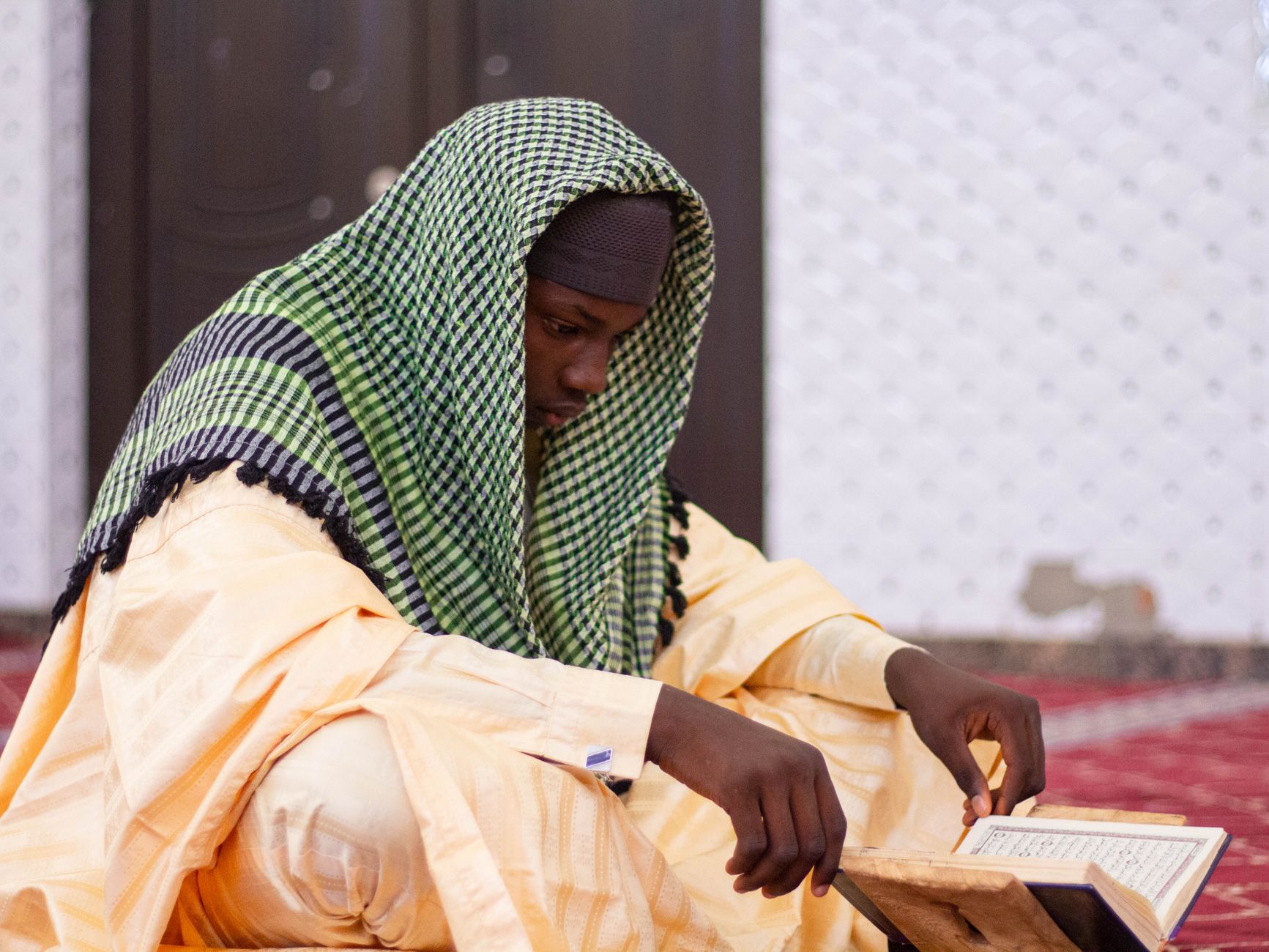
Embracing Islam is a profound and transformative journey, a return to the natural state of submission to the One True God, Allah (SWT). For new reverts, this path, while exhilarating, can also feel overwhelming due to the wealth of information and practices. This comprehensive educational roadmap is designed to guide you from your initial declaration of faith, the Shahada, through the foundational pillars, and towards the enriching practice of Sadaqa (voluntary charity), fostering a deep and meaningful connection with your Creator.
As you embark on this blessed journey, remember that Allah's mercy encompasses all, and He facilitates the path for those who sincerely seek His guidance. This roadmap aims to provide clarity, structure, and encouragement, ensuring you build your understanding and practice of Islam on solid ground.
Phase 1: Embracing the Shahada – The Foundation of Faith
Your journey begins with the Shahada, the declaration that 'La ilaha illallah, Muhammadun Rasulullah' (There is no god but Allah, and Muhammad is His messenger). This simple yet profound statement is the cornerstone of Islam, signifying your conscious commitment.
Understanding Tawhid: The Oneness of Allah
- The Core Belief: Tawhid is the absolute monotheism of Islam, affirming that Allah is unique, without partners, and the sole Creator, Sustainer, and Ruler of the universe. This understanding liberates the heart from all forms of idolatry and dependence on creation.
- Implications: Tawhid teaches us to worship Allah alone, seeking help only from Him, and attributing all power and perfection to Him.
Immediate Practical Steps
- Ghusl (Ritual Bath): After declaring Shahada, it is recommended to perform a full ritual bath to purify your body, symbolizing a fresh start. Learn the correct method, which involves thoroughly washing the entire body.
- Intention (Niyyah): All acts of worship in Islam begin with a sincere intention in the heart to please Allah alone.
Introduction to the Quran: The Divine Word
The Quran is the literal word of Allah, revealed to Prophet Muhammad (PBUH) over 23 years. It is your ultimate guide, source of wisdom, and comfort.
- Respect and Etiquette: Always handle the Quran with reverence. It is recommended to be in a state of Wudu (ablution) before touching it.
- Starting to Read: Even if you don't understand Arabic yet, listening to recitations and reading translations is highly beneficial. For deeper study and recitation, visit our dedicated section on the Quran.
Phase 2: Building the Pillars – Establishing Worship
Islam is built upon five pillars, and after Shahada, the practical acts of worship become central to your daily life.
Salat (Prayer): The Spiritual Lifeline
Salah, the ritual prayer performed five times a day, is the second pillar of Islam and a direct connection with Allah.
- Learning How to Pray: Start with learning the movements and basic recitations (Fatiha and a short Surah). There are numerous resources online and in local mosques.
- Prayer Timings: Prayers are performed at specific times of the day. To ensure you never miss a prayer, utilize our accurate Prayer Times tool.
- Qibla Direction: When performing Salah, facing the Kaaba in Mecca is essential. Our Qibla Finder can assist you in precisely determining the correct direction from anywhere in the world.
Wudu and Ghusl: Purification for Worship
These are essential before performing Salah and handling the Quran.
- Wudu (Ablution): A partial washing of specific body parts (face, hands, arms, head, feet) in a prescribed manner. Learn its steps carefully.
- Ghusl (Full Ritual Bath): Required after certain states (e.g., major impurity) to purify the entire body.
Sawm (Fasting): The Discipline of Ramadan
Fasting during the month of Ramadan is the fourth pillar, a time of immense spiritual growth.
- Understanding its Purpose: Fasting is not merely abstaining from food and drink; it's a spiritual exercise to develop Taqwa (God-consciousness), empathy, and self-control.
- Gradual Practice: If Ramadan falls shortly after your conversion, seek advice from experienced Muslims on how to approach it.
Zakat (Obligatory Charity): Social Justice and Purification
Zakat is an annual obligatory charity paid by eligible Muslims to support the needy and deserving. It purifies wealth and fosters social solidarity.
- Who Pays: Muslims whose wealth reaches a certain threshold (Nisab) for a lunar year.
- Its Purpose: Zakat reduces poverty, strengthens community bonds, and is a right of the poor upon the rich. To accurately calculate your obligations, refer to our comprehensive Zakat Calculator.
Phase 3: Deepening Understanding & Community Integration
Beyond the pillars, cultivating knowledge and community is vital for a strong Islamic identity.
Seeking Knowledge (Ilm): A Lifelong Pursuit
The pursuit of knowledge is highly emphasized in Islam. Prioritize learning from authentic sources.
- Quranic Studies: Focus on Tafsir (exegesis) to understand the meanings and context of the verses.
- Understanding Hadith: Study the Sunnah (the way of the Prophet Muhammad, PBUH) through authentic collections of Hadith, which elaborate on Quranic principles and provide practical guidance.
Finding a Muslim Community and Mentors
Connecting with other Muslims is invaluable.
- Local Mosque (Masjid): Visit your local mosque for prayers, classes, and social events.
- Seeking Mentorship: Find an experienced and knowledgeable Muslim, ideally a revert themselves, who can offer guidance and support.
- Sisterhood/Brotherhood: Embrace the global Muslim community, which offers immense support and belonging.
Developing Islamic Ethics and Morals (Akhlaq)
Islam places immense importance on character and conduct.
- Key Virtues: Cultivate patience (Sabr), gratitude (Shukr), honesty, integrity, kindness, humility, and forgiveness.
- Prophetic Example: Strive to emulate the noble character of Prophet Muhammad (PBUH) in all your dealings.
Phase 4: Living Islam – Practical Application & Beyond (Towards Sadaqa)
Islam is a way of life that extends to every aspect of your existence.
Daily Dhikr (Remembrance of Allah)
Keep Allah in your remembrance throughout the day.
- Simple Practices: Recite 'SubhanAllah' (Glory be to Allah), 'Alhamdulillah' (All praise is due to Allah), 'Allahu Akbar' (Allah is the Greatest), and 'La ilaha illallah' regularly.
- Du'a (Supplication): Make sincere personal prayers to Allah, asking for guidance, strength, and forgiveness.
Sadaqa (Voluntary Charity): Beyond Obligation
While Zakat is obligatory, Sadaqa encompasses all voluntary acts of charity, both financial and non-financial.
- Rewards: Sadaqa is highly virtuous and earns immense rewards from Allah, purifying one's wealth and soul.
- Forms of Sadaqa: It can be a smile, removing a harmful object from a path, helping someone, teaching beneficial knowledge, or giving money.
Halal and Haram: Navigating Daily Life
Understanding what is permissible (Halal) and impermissible (Haram) is crucial for an Islamic lifestyle.
- Dietary Laws: Focus on understanding Halal food, especially meat.
- Financial Dealings: Learn about Islamic finance principles, avoiding interest (Riba).
- Modesty (Hijab): For sisters, understanding and gradually adopting modest dress. For brothers, lowering the gaze and modest attire.
Family and Social Relations in Islam
Islam emphasizes strong family ties and positive community relations.
- Parents: Treat your parents with utmost kindness and respect.
- Spouse & Children: Learn the rights and responsibilities within marriage and towards children.
- Neighbors: Treat your neighbors well, regardless of their faith.
Dealing with Challenges: Patience and Reliance on Allah (Tawakkul)
The journey will have its trials. Embrace patience (Sabr) and absolute reliance on Allah (Tawakkul).
- Seek Help from Allah: Turn to prayer and Du'a in times of difficulty.
- Trust His Plan: Understand that every challenge is an opportunity for growth and a test of faith.
Understanding Islamic Inheritance
Islam provides clear and just guidelines for the distribution of wealth after death, ensuring fairness and preventing disputes.
- Importance: It's a vital aspect of fulfilling your responsibilities as a Muslim. For detailed guidance on distributing your estate according to Islamic principles, our Inheritance Calculator provides clarity.
Conclusion: A Continuous Journey of Growth
Your journey to Islam is a lifelong expedition of learning, growth, and drawing closer to Allah (SWT). Be patient with yourself, seek knowledge continuously, and surround yourself with good company. May Allah strengthen your faith, ease your path, and grant you success in this life and the Hereafter. Welcome to the embrace of Islam!
Expertly curated by the Muslim Tools team
© 2026 Muslim Tools. All rights reserved.