
Nurturing Imaan in the Digital Age: Guiding Muslim Teens Through Screen Time, Gaming, and Online Identity
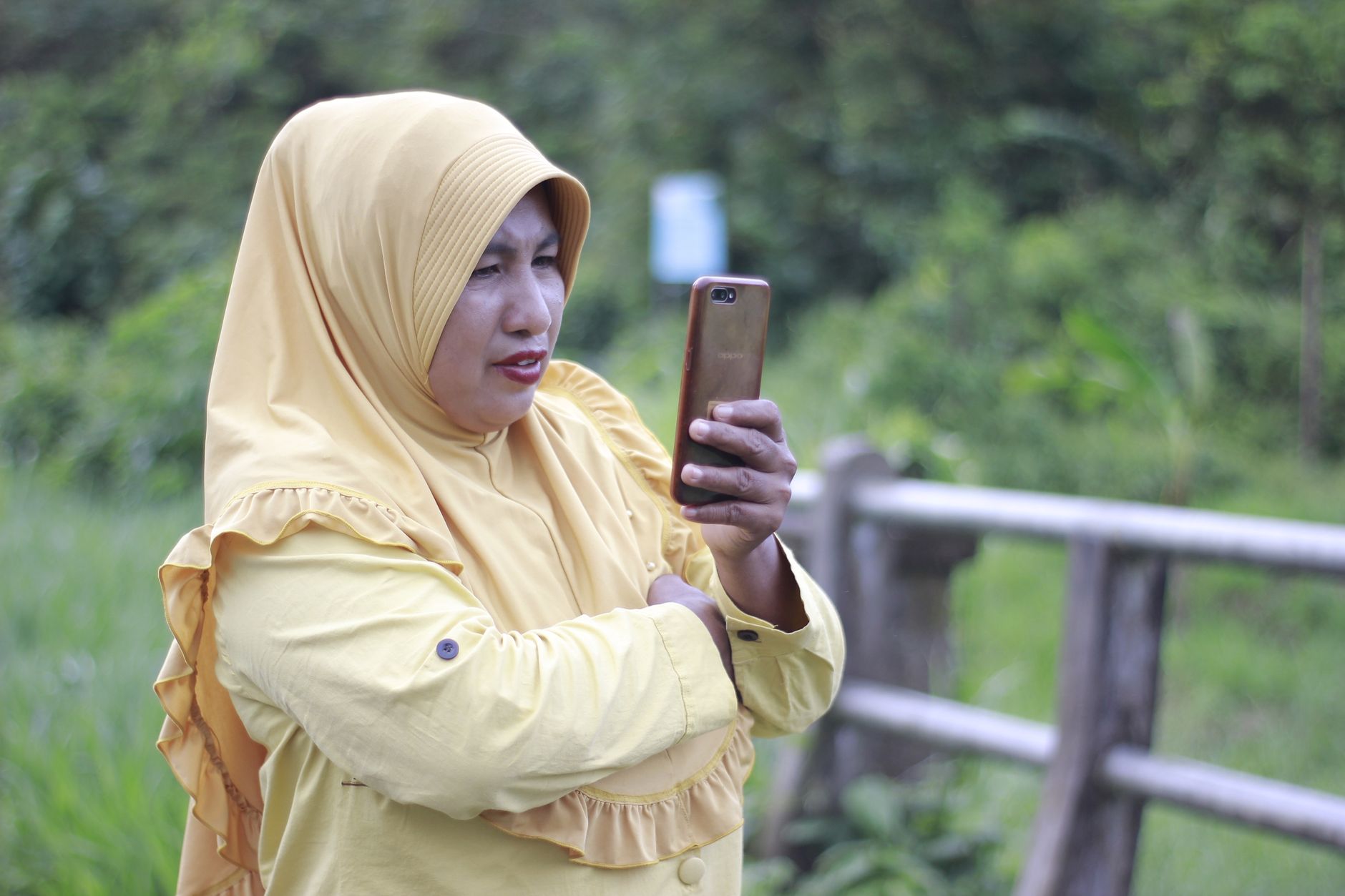
Nurturing Imaan in the Digital Age: Guiding Muslim Teens Through Screen Time, Gaming, and Online Identity
The digital realm is an inescapable reality for today's youth, offering both unprecedented opportunities and profound challenges. For Muslim teens, this landscape presents a unique dichotomy: a space for connection, learning, and dawah, yet also a battleground for attention, identity, and the very core of their Imaan (faith). As Senior SEO Content Strategists and expert Islamic writers, we delve into how parents and educators can guide Muslim teenagers through the labyrinth of screen time, online gaming, and digital identity formation, ensuring their spiritual compass remains strong amidst the digital deluge.
The Digital Deluge: Understanding the Landscape for Muslim Youth
Today's adolescents are digital natives, having grown up with smartphones, social media, and gaming consoles as extensions of their reality. Algorithms are designed to capture and retain attention, often at the expense of real-world interactions, productivity, and spiritual reflection. For Muslim teens, this exposure means navigating content that may contradict Islamic values, dealing with cyberbullying, body image issues driven by curated online personas, and the constant pressure to conform or perform.
Imaan's Compass in a Connected World: An Islamic Framework
Islam provides a timeless framework for navigating life's challenges, digital or otherwise. The core principles of Taqwa (God-consciousness), responsibility, moderation, and seeking knowledge are paramount. Allah (SWT) reminds us in the Quran, “Indeed, the hearing, the sight and the heart – about all those [one] will be questioned.” (Quran 17:36). This verse serves as a powerful reminder that our digital consumption, what we see, hear, and allow into our hearts, will be accounted for.
Our role is not to demonize technology, but to empower our youth to use it mindfully, as a tool for good (khair) rather than a source of distraction or harm (fitna). This requires a proactive approach rooted in Islamic ethics.
Navigating Specific Digital Challenges & Islamic Solutions
Screen Time & Time Management: Protecting Our Most Precious Asset
Excessive screen time can erode a teen's ability to focus, engage in deep thought, and fulfill their religious obligations. The constant notifications and endless scroll can lead to procrastination and neglect of prayer, family time, and studies. Time is a blessing, and we will be questioned about how we spent it.
- The Islamic Solution: Prioritization and discipline. Encourage teens to allocate specific times for digital activities and other times for learning, devotion, and physical activity. Ensuring consistent adherence to Prayer Times becomes paramount, as prayer acts as a natural break and reminder of our purpose.
- Practical Tip: Implement “digital detox” hours or days. Encourage family activities that are screen-free.
Gaming: Entertainment, Addiction, or a Gateway to Good?
Gaming is a massive industry, offering immersive experiences. While some games can foster problem-solving skills and teamwork, many come with significant risks: addiction, exposure to violence or inappropriate content, gambling mechanics (loot boxes), and neglect of real-world duties.
Table: Gaming & the Muslim Teen - A Balanced Perspective
| Potential Benefits (with caution) | Potential Harms (to be avoided) |
|---|---|
| Improved cognitive skills (problem-solving, strategy) | Addiction, neglecting responsibilities (prayer, studies, family) |
| Social interaction and community building (positive) | Exposure to inappropriate content (violence, nudity, shirk) |
| Stress relief and entertainment (in moderation) | Gambling elements (loot boxes), excessive spending |
| Developing hand-eye coordination | Aggression, desensitization to violence, moral corruption |
- The Islamic Solution: Moderation and discernment. Parents must actively monitor game content, ratings, and time spent. Encourage games that promote positive values or are educational. Remind teens that wasting time is discouraged in Islam.
- Practical Tip: Play games with your teens to understand their appeal and guide their choices. Discuss the Islamic perspective on content and time management.
Online Identity: Authenticity, Modesty, and the Ummah's Unity
Social media often pressures teens to construct an idealized online persona, leading to anxiety, low self-esteem, and a disconnect from their authentic selves. Furthermore, the anonymity of the internet can encourage inappropriate behavior, cyberbullying, and engaging in gossip or backbiting (gheebah), which are explicitly forbidden in Islam.
- The Islamic Solution: Upholding modesty (haya), honesty, and good character (akhlaq). Teens should understand that their online presence reflects on them as individuals and as Muslims. Encourage them to be ambassadors of Islam, spreading good and refraining from harm. Similarly, using tools like a Qibla Finder ensures that even when traveling or in unfamiliar places, our spiritual connection remains unbroken, reinforcing our core identity.
- Practical Tip: Discuss the concept of “digital footprint” and its lasting impact. Encourage teens to use online platforms for positive engagement, sharing beneficial knowledge, or connecting with Islamic communities.
The Pursuit of Knowledge and Purpose Online
Beyond the pitfalls, the digital age offers incredible access to Islamic knowledge. Teens can listen to lectures, read scholarly articles, join online Quran classes, and connect with peers who share their faith.
- The Islamic Solution: Intentional use of technology for learning and growth. Encourage teens to seek out reputable Islamic sources and scholars online.
- Practical Tip: Curate a list of beneficial Islamic apps, websites, and content creators for your teens.
Practical Strategies for Parents and Teens: Building Digital Resilience
1. Open Communication & Leading by Example
Foster an environment where teens feel comfortable discussing their online experiences, struggles, and questions without fear of judgment. Parents must also model responsible digital behavior.
2. Setting Boundaries & Digital Detox
Establish clear family rules for screen time, device usage locations (e.g., no phones in bedrooms at night), and designated tech-free times (e.g., during meals, before sleep). Regular “digital detoxes” can help reset habits and appreciate real-world interactions.
3. Cultivating Real-World Connections & Hobbies
Encourage participation in sports, Islamic youth groups, community service, and creative hobbies. These activities provide a sense of belonging, purpose, and skill development that cannot be replicated online.
4. Integrating Islamic Learning & Responsibility
Make Islamic education a continuous and engaging process. This includes understanding their duties as Muslims beyond ritualistic worship. For instance, understanding and fulfilling Islamic financial obligations, such as calculating Zakat, can be integrated into their financial literacy from a young age. Similarly, comprehending the principles of wealth distribution and legacy through an Inheritance Calculator broadens their perspective on their duties and rights within the family structure, fostering a holistic understanding of Islam.
5. Empowering Critical Thinking & Discernment
Teach teens how to critically evaluate online information, identify misinformation, and understand the persuasive techniques used by social media and gaming companies.
Conclusion
Nurturing Imaan in the digital age is an ongoing journey that requires vigilance, education, and unwavering faith. By understanding the challenges, leveraging Islamic principles, and implementing practical strategies, parents and Muslim teens can navigate the digital world safely, responsibly, and in a manner that strengthens their connection to Allah (SWT) and prepares them for a purposeful life, both online and off. The goal is not to isolate our youth from technology, but to equip them with the tools to master it, rather than be mastered by it, all while safeguarding their precious Imaan.
Expertly curated by the Muslim Tools team
© 2026 Muslim Tools. All rights reserved.