
Play-Based Learning in Islamic Early Childhood Education: Nurturing Iman Through Creativity and Exploration
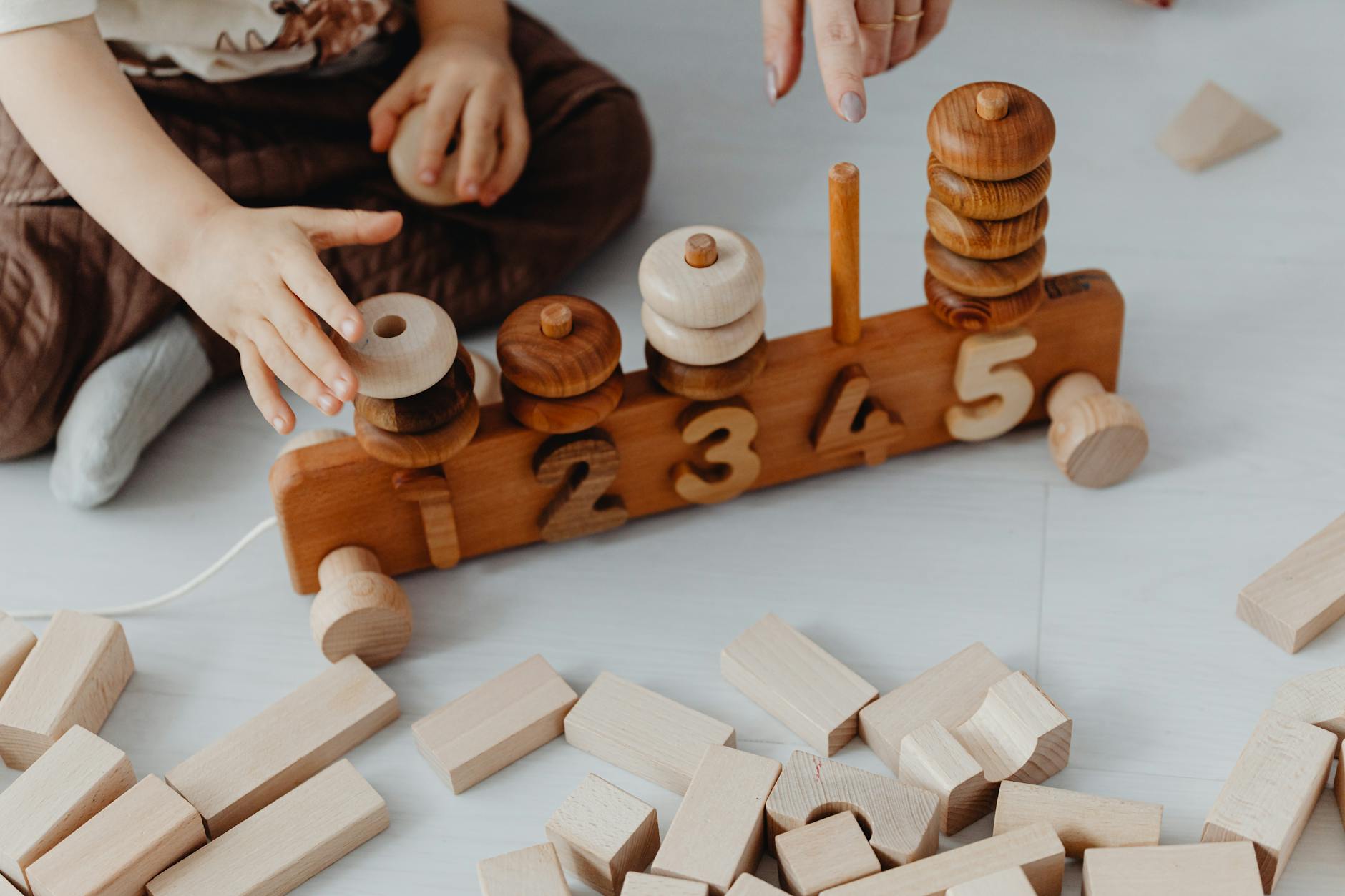
In a world increasingly focused on early academic achievement, the profound value of play is often overlooked, especially within educational paradigms. However, for Islamic early childhood education (IECE), play-based learning is not merely a pedagogical choice but a Divinely-inspired approach to nurturing a child's inherent curiosity, fostering creativity, and most crucially, building a strong foundation of Iman (faith) rooted in love and understanding for Allah (SWT).
The Islamic Mandate for Play and Exploration
Islam, a holistic way of life, recognizes the intrinsic nature of childhood. The Prophet Muhammad (peace be upon him) himself displayed immense affection and playfulness with children, encouraging their natural joy and exploration. This prophetic example, combined with Quranic verses that invite contemplation of Allah’s creation, forms a robust framework for play-based learning. Children are born with a fitra (natural disposition) towards goodness and a profound sense of wonder. Play is the primary vehicle through which they explore this wonder, make sense of the world, and connect with their Creator.
The Quran repeatedly urges believers to reflect on the signs of Allah in the universe – the intricate patterns of nature, the changing seasons, the diversity of life. For a young child, these reflections begin through sensory experiences and active engagement. Climbing a tree, observing an ant, molding clay – these seemingly simple acts become avenues for developing an early appreciation for Allah’s magnificence. By allowing children to interact freely with their environment, we are essentially facilitating their journey of discovery, laying the groundwork for a deeper understanding of the Quran's teachings and the majesty of Islam.
Principles of Play-Based Learning in an Islamic Context
Integrating Islamic principles into a play-based framework transforms mere recreation into profound spiritual and intellectual development:
- Tawhid (Oneness of Allah): Every aspect of play, from observing nature to building structures, can be framed as discovering the perfection and unity of Allah’s creation. Children learn to see Allah’s signs everywhere.
- Akhlaq (Character & Morality): Collaborative play naturally teaches sharing, empathy, patience, and resolving conflicts – all essential components of Islamic character. Learning to wait their turn or help a friend build a tower instills virtues praised in the Sunnah.
- Adab (Manners & Etiquette): Through guided play and modeling, children learn respectful communication, showing kindness, and appreciating others – fundamental Islamic manners.
- Tafakkur (Contemplation & Reflection): Encouraging children to ask "why" and "how" during play fosters critical thinking and encourages them to reflect on Allah's power and wisdom in His creation.
- Tazkiyah (Purification of the Soul): A joyful, loving environment where children feel safe to explore and express themselves contributes to their inner peace and spiritual well-being, paving the way for a pure heart connected to Allah.
Practical Strategies for Nurturing Iman Through Play
Implementing play-based learning in an IECE setting requires intentional design and thoughtful facilitation:
- Design an Enriching Islamic Play Environment:
- Nature Corner: Incorporate natural elements (leaves, rocks, water) for sensory exploration, linking them to Allah’s creation.
- Storytelling & Role-Play Area: Furnish with costumes and props for reenacting stories of Prophets (AS), companions, or daily Islamic life (e.g., preparing for Eid, welcoming guests).
- "Masjid" Corner: A designated quiet space with prayer mats, a small compass (to find the Qibla), and child-friendly prayer beads, encouraging imaginative prayer.
- Art & Creation Station: Provide materials for expressing creativity, designing Islamic patterns, or illustrating Quranic verses and stories.
- Integrate Islamic Concepts Naturally:
- Numeracy: Count objects while making Tasbih, learn numbers by identifying Surahs, or tally good deeds.
- Literacy: Introduce Arabic letters through playful games, recognizing them in simple words like "Allah" or "Salam."
- Science: Explore properties of water (for Wudu), observe plant growth (reflecting on Allah as the Sustainer), or study animals mentioned in the Quran.
- Social Studies: Role-play visiting the Kaaba, learning about different Muslim cultures, or understanding the concept of sharing with those less fortunate, linking to principles of charity and the importance of Zakat later in life.
- Utilize Thematic Play:
- Hajj Simulation: Set up a miniature Kaaba, practice Tawaaf and Sa’i, teaching children about the pilgrimage in a hands-on way.
- Daily Routine Play: Mimic getting ready for school, making Wudu, and performing Salat. Discuss the importance of knowing Prayer Times throughout the day.
- Kindness and Charity: Role-play helping the needy, sharing toys, or making "gifts" for others, fostering generosity.
The Profound Benefits for Iman Development
The impact of play-based learning on a child's spiritual growth is multifaceted and long-lasting:
- Deepened Connection to Allah: Through hands-on exploration, children develop a personal, experiential understanding of Allah's attributes (e.g., Al-Khaliq, The Creator; Ar-Razzaq, The Provider).
- Love for Islamic Practices: When practices like Salah or Wudu are introduced through joyful play rather than rote memorization, children develop a positive association and a genuine desire to perform them.
- Stronger Moral Compass: Collaborative play instills empathy, fairness, and justice, which are fundamental to Islamic ethics. They learn the consequences of their actions and the value of positive interactions.
- Enhanced Cognitive & Emotional Resilience: Play allows children to experiment, fail, and try again, building problem-solving skills and emotional regulation – crucial for navigating life's challenges with tawakkul (reliance on Allah).
- Holistic Development: Physical, cognitive, emotional, social, and spiritual domains are all nurtured simultaneously, leading to a well-rounded individual grounded in their Islamic identity.
Addressing Concerns and Embracing the Future
Some educators and parents might express concerns that play-based learning might not adequately prepare children for academic rigor. However, research consistently shows that a strong foundation built on play-based learning fosters superior cognitive skills, creativity, and a lifelong love of learning, which are far more valuable than early rote memorization. Moreover, for Islamic education, the goal extends beyond academics to spiritual and moral development – attributes best cultivated through engagement and discovery.
By investing in play-based learning, we are not just teaching children; we are empowering them to become active learners, critical thinkers, and devout Muslims who understand the beauty and wisdom of their faith from the earliest age. While practical matters like understanding family rights and responsibilities, perhaps later necessitating tools like an Inheritance Calculator, are important for future Muslim adults, the foundation of character, justice, and faith begins in these formative years through guided, purposeful play. This approach ensures that the seeds of Iman are sown in fertile ground, watered by curiosity, and nourished by joy, blossoming into a deep, abiding connection with Allah (SWT) that will guide them throughout their lives.
In conclusion, play-based learning in Islamic early childhood education is a powerful, pedagogically sound, and prophetically endorsed method for nurturing holistic development and a profound spiritual connection. It is about allowing children to discover the wonders of creation, fostering their innate curiosity, and building their Iman brick by joyful brick, ensuring they grow into confident, compassionate, and conscientious Muslims.
Expertly curated by the Muslim Tools team
© 2026 Muslim Tools. All rights reserved.