
The Productive Muslimah/Muslim: Achieving Sustainable Work-Life Balance with Islamic Principles
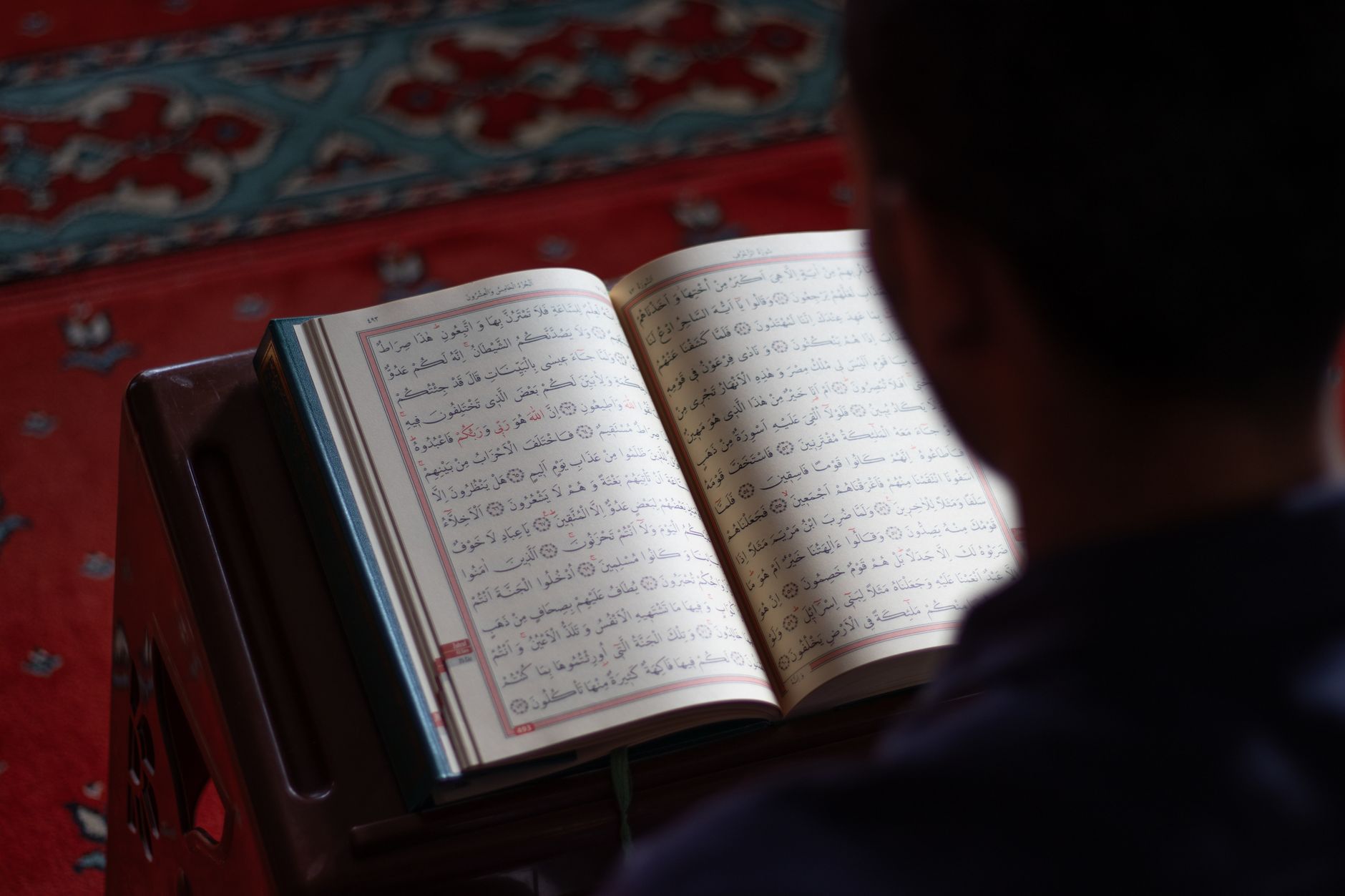
The Productive Muslimah/Muslim: Achieving Sustainable Work-Life Balance with Islamic Principles
In a world that constantly demands more – more work, more achievements, more output – the concept of 'productivity' has become synonymous with relentless hustle, often leading to burnout and a profound sense of imbalance. For the conscious Muslimah and Muslim, this modern paradigm often clashes with our innate desire for spiritual serenity, strong family ties, and a life lived in accordance with divine purpose. How then can we be truly productive without sacrificing our spiritual well-being, mental health, or familial duties?
This article delves into the unique, holistic framework that Islam offers for achieving not just productivity, but sustainable work-life balance infused with barakah (blessing). It’s about more than just managing tasks; it’s about managing your life with intention, seeking Allah's pleasure in every endeavor, and understanding that true success encompasses both this world and the Hereafter.
Redefining Productivity: An Islamic Lens
The secular definition of productivity often measures output against time. Islam, however, elevates this concept to encompass quality, intention (niyyah), and the broader impact of one's actions. A truly productive Muslim is not just someone who accomplishes many tasks, but one who performs them with excellence (ihsan), sincerity (ikhlas), and mindful of their ultimate purpose: to worship Allah (SWT). Allah reminds us in the Quran: "And I did not create the jinn and mankind except to worship Me." (Quran 51:56).
This redefinition shifts our focus from mere quantity to meaningful contribution, from stress-inducing deadlines to purposeful effort, and from self-aggrandizement to seeking divine reward. It’s a paradigm where rest is an act of worship, and family time is a foundational pillar of societal strength.
Pillars of Sustainable Balance in Islam
Achieving a harmonious life, where work, worship, family, and self-care coexist beautifully, rests upon several core Islamic principles:
1. Prioritizing the Divine: Your Spiritual Anchor
At the heart of a Muslim's productive life is their connection to Allah. This connection provides purpose, resilience, and an unwavering sense of direction. Without it, all other endeavors feel hollow. The five daily prayers are the bedrock of this connection, acting as regular spiritual resets throughout your day. By structuring your day around them, you naturally create pauses for reflection and re-prioritization. Knowing the precise Prayer Times is essential for maintaining this discipline, no matter where you are. And should you be in an unfamiliar place, finding the Qibla Finder ensures your prayers are directed correctly.
- Salah: The ultimate appointment. Performing Salah on time instills discipline and brings peace.
- Quran: Daily engagement with the Quran – reading, reflecting, or listening – nourishes the soul and provides guidance for all aspects of life.
- Dhikr & Du'a: Remembering Allah and making supplication keeps your heart connected and your intentions pure, inviting blessings into your time and efforts.
2. Mastering Time with Barakah
Time is a precious trust from Allah. The Quran frequently emphasizes its fleeting nature (e.g., Surah Al-Asr). The Prophet Muhammad (peace be upon him) taught us to utilize our time wisely. This isn't about packing every second, but about infusing each moment with blessings.
- Intention (Niyyah): Every action, when done with a good intention for Allah's sake, becomes an act of worship, multiplying its reward and adding barakah.
- Planning & Prioritization: Following the example of the Prophet (PBUH) in his methodical approach to life, learn to prioritize tasks based on importance and urgency, dedicating specific times for work, family, and self.
- Avoiding Procrastination: Shaytan's tool to steal your time and energy. Tackle tasks head-on, seeking Allah's help against laziness.
- The Blessing of Sleep & Rest: Islam promotes balance. Adequate rest is crucial for physical and mental productivity. The night is for rest, and the day is for striving.
3. Nurturing the Self: Body, Mind, and Soul
Your body is an amanah (trust) from Allah. Neglecting your health leads to decreased productivity and spiritual weakness.
- Physical Health: Eat healthy (halal and tayyib), exercise regularly, and ensure sufficient sleep. These are acts of gratitude and enable you to fulfill your duties with vigor.
- Mental Well-being: Practice gratitude, patience (sabr), and trust in Allah (tawakkul). Seek knowledge, engage in positive social interactions, and avoid excessive worry.
- Emotional Balance: Cultivate forgiveness, compassion, and humility. Understand that trials are part of life and an opportunity for spiritual growth.
4. Fulfilling Rights: Family and Community
A productive Muslim is not isolated; they are an integral part of their family and community. Upholding these relationships is a source of immense reward and barakah.
- Family: Dedicate quality time to spouses, children, and parents. Their rights are paramount in Islam. This includes teaching them, listening to them, and simply being present.
- Community & Society: Contribute positively through good character (akhlaq), helping those in need, and upholding justice. Understanding financial obligations like Zakat Calculator ensures you fulfill your duty to the poor and needy, strengthening communal bonds.
- Preparing for the Future: Beyond daily needs, Islamic teachings guide us in long-term financial planning and asset distribution. Resources like an Inheritance Calculator can help Muslims ensure their estates are handled according to Sharia, fulfilling rights even after passing.
Practical Strategies for the Productive Muslim/Muslimah
Translating these principles into daily life requires actionable steps:
- Start Your Day with Barakah: Wake up for Fajr, perform Salah, recite Quran, and make du'a. Set your intentions for the day.
- Daily Planning: Use a planner or digital tool to outline your tasks. Prioritize based on Islamic values and worldly importance.
- Integrate Salah Breaks: View prayer times as mandatory, refreshing breaks rather than interruptions.
- Set Boundaries: Learn to say no to commitments that overstretch you. Protect your family time and personal space.
- Digital Detox: Allocate specific times for checking emails and social media. Avoid constant connectivity that fragments attention.
- Practice Mindful Presence: When with family, be truly present. When working, focus intensely. Avoid multitasking for critical tasks.
- Seek Knowledge: Continuously learn about your deen and your profession to improve and grow.
- Regular Reflection & Accountability: End your day with reflection. How did you spend your time? What could be improved? Make du'a for strength and guidance.
Overcoming Challenges: Burnout, Guilt, and Comparison
The journey to sustainable balance isn't without its hurdles. Burnout can creep in, feelings of guilt over perceived shortcomings may arise, and the temptation to compare ourselves to others is strong.
- Burnout: Recognize the signs. Take breaks, seek solace in worship, and remember Allah's vast mercy. It's okay to slow down and recuperate.
- Guilt: Perfection is unattainable. Strive for excellence, but accept your human limitations. Seek forgiveness from Allah for shortcomings and learn from mistakes.
- Comparison: "Look not to those above you; look to those below you, for that is more suitable for you so that you do not disparage Allah's favours upon you." (Prophetic Hadith). Focus on your unique journey and blessings.
Conclusion: A Balanced Life, a Blessed Life
Achieving sustainable work-life balance for the Productive Muslimah and Muslim is not about finding a perfect equilibrium once and for all; it’s an ongoing process of intention, effort, and continuous adjustment, firmly rooted in Islamic principles. It's about living a life where your worldly efforts are intertwined with your spiritual aspirations, where your productivity is measured not just by what you accomplish, but by the barakah you invite into your life and the pleasure of Allah you seek. By prioritizing our spiritual duties, managing our time with wisdom, nurturing our bodies and minds, and fulfilling our responsibilities to family and community, we can truly thrive, achieving success in this life and securing our ultimate reward in the Hereafter. May Allah grant us all the wisdom and strength to embody these principles in our daily lives. Ameen.
Expertly curated by the Muslim Tools team
© 2026 Muslim Tools. All rights reserved.