
Raising Resilient Muslim Teenagers: Navigating Identity, Peer Pressure, and Faith in the Digital Age
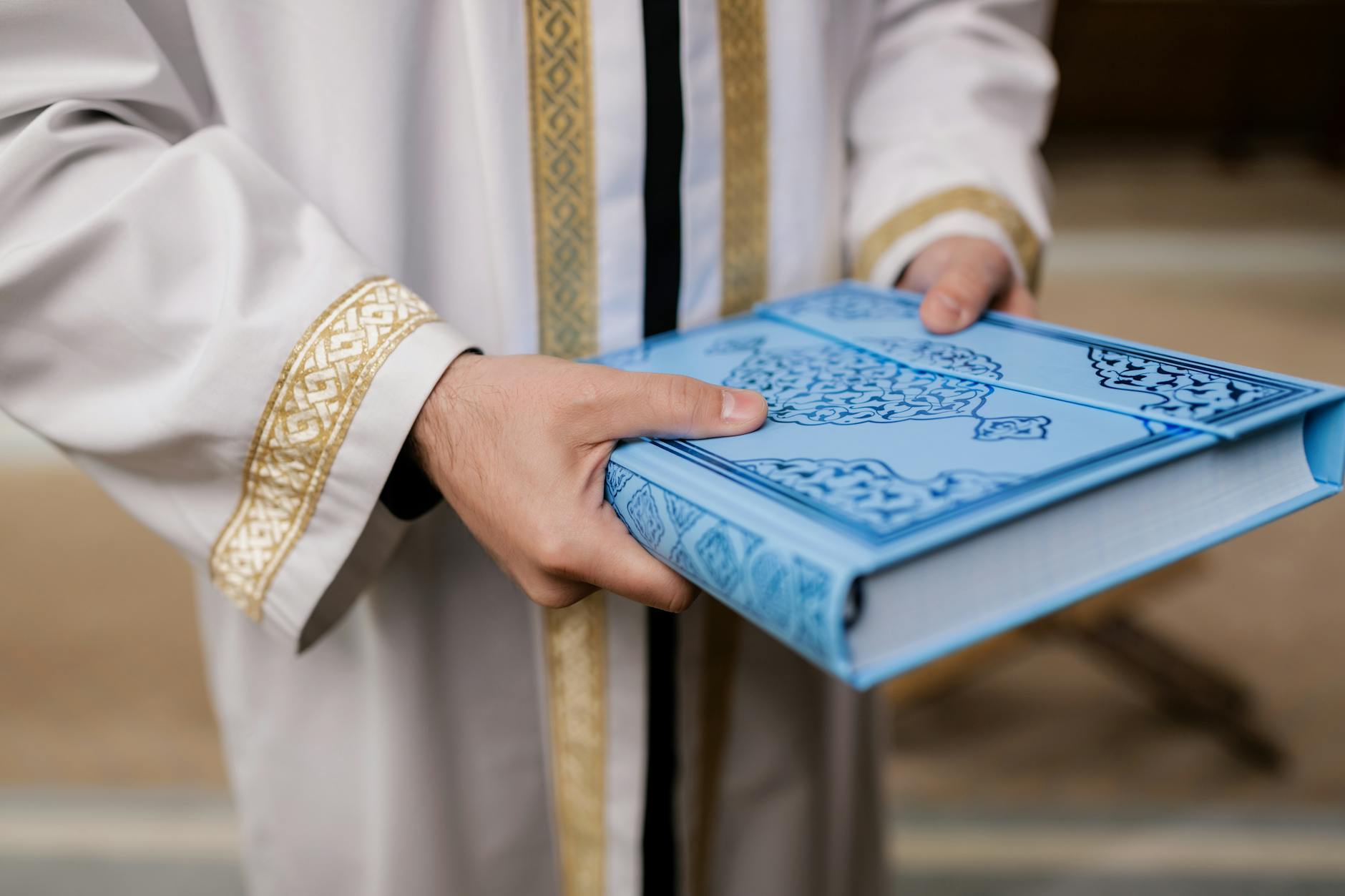
Raising Resilient Muslim Teenagers: Navigating Identity, Peer Pressure, and Faith in the Digital Age
In an increasingly interconnected yet often morally ambiguous world, Muslim parents face a unique and profound challenge: Raising Resilient Muslim Teenagers: Navigating Identity, Peer Pressure, and Faith in the Digital Age. This critical developmental stage is inherently complex, amplified by the pervasive influence of digital media and the contrasting values often presented by mainstream society. As expert Islamic writers and strategists, we understand that equipping our youth with an unshakeable sense of self, strong faith, and practical resilience is not merely desirable, but essential for their well-being and success in both this life and the Hereafter.
Understanding the Unique Landscape of the Modern Muslim Teenager
Today’s Muslim teenagers are straddling multiple worlds. They are often fluent in Western culture, navigating social norms, academic pressures, and aspirations that can sometimes conflict with their Islamic upbringing. This dual exposure can lead to internal friction and external challenges:
- The Dual Identity Challenge: Teens often grapple with synthesizing their Muslim identity—rooted in faith, community, and tradition—with the individualistic and often secular values prevalent in contemporary society. This search for belonging can be intense.
- The Weight of Peer Pressure and Social Media: From fashion trends to ethical dilemmas, peer influence is immense. Social media platforms, with their curated realities and constant validation cycles, exert unprecedented pressure, making conformity tempting and deviance from mainstream norms frightening.
- Faith as an Anchor, or a Source of Conflict? For some, faith is a clear guiding light, providing comfort and certainty. For others, it can feel like a burden or an outdated system, especially when perceived as clashing with their desires or the expectations of their peers.
Pillars of Resilience: An Islamic Framework for Growth
True resilience for a Muslim teenager is built upon a strong foundation of Islamic principles, coupled with practical strategies for navigating modern challenges. This framework focuses on internal strength, critical thinking, and a deep connection to Allah (SWT).
1. Strengthening Islamic Identity (Self-Concept)
A resilient teenager knows who they are and what they stand for. This comes from a profound understanding of their Islamic heritage and purpose.
- Teaching Core Tenets: Go beyond rote memorization. Explain Tawheed (Oneness of Allah), the purpose of creation, the beauty of Prophethood, and the comprehensive nature of Islamic Akhlaq (morals and manners). Emphasize that Islam is a complete way of life, not just a set of rituals.
- Connecting with the Quran: The Quran is the ultimate guide. Encourage regular engagement, not just recitation, but also understanding its meanings and contemplating its timeless wisdom. Discuss how its verses offer solutions to contemporary issues, shaping their worldview and moral compass.
- Role Modeling and Family Values: Parents are the primary educators. Model Islamic character, justice, compassion, and truthfulness. Ensure the home environment reflects Islamic values, providing a safe haven where faith is cherished and discussed openly.
2. Navigating Peer Pressure with Islamic Principles
Resilience against negative peer pressure isn't about isolation; it's about empowerment and discernment.
- Developing a Strong Internal Moral Compass: Teach teens to think critically about choices, to differentiate between what is popular and what is right in the eyes of Allah. Remind them of the Prophetic tradition: “Do not be a follower (of others) saying: If the people do good, we will do good, and if they do evil, we will do evil. Rather, make up your minds that if the people do good, you will do good, and if they do evil, you will not be unjust.” (Tirmidhi)
- The Importance of Good Company (Suhbah): Guide them to seek out righteous friends who uplift and remind them of their faith. Facilitate opportunities for them to connect with positive Muslim peers and youth groups.
- Practical Strategies for Saying 'No' Respectfully: Equip them with phrases and confidence to decline invitations or activities that go against their values without alienating their peers. Emphasize that true strength lies in adhering to principles.
3. Cultivating a Deep and Personal Faith
Faith is the ultimate anchor, providing solace, guidance, and purpose. It moves beyond mere ritual to a profound personal relationship with the Creator.
- Beyond Ritual: Fostering a Relationship with Allah: Encourage understanding of Allah's attributes, cultivating love, hope, and fear of Him. Discuss how faith impacts daily decisions and provides peace in times of distress.
- The Power of Prayer: Emphasize the spiritual significance of Salah. Encourage consistent engagement with daily prayers, understanding their spiritual significance, and utilizing tools like a reliable Prayer Times guide to transform a ritual into a profound connection with Allah. Help them appreciate prayer as direct communication with their Creator.
- Understanding the Qibla: Reinforce the unity and purpose behind facing the Kaaba during prayer. Knowing the direction of prayer, readily available via a Qibla Finder, removes any barriers to this essential act of worship, especially when traveling or in new environments.
- Seeking Knowledge: Inspire a love for learning about Islam from authentic sources. Attending lectures, reading Islamic books, and engaging in respectful discussions can deepen their understanding and conviction.
4. Thriving in the Digital Age: Islamic Ethics and Practical Wisdom
The digital realm presents both immense opportunities and significant pitfalls. Resilience here means informed engagement, not outright avoidance.
- Digital Literacy from an Islamic Ethical Perspective: Teach them to critically evaluate online content, identify misinformation, and understand the impact of their digital footprint. Discuss Islamic etiquette regarding speech, modesty, and privacy online.
- Mindful Screen Time and Digital Boundaries: Help them establish healthy boundaries for screen usage. This involves open discussions about the risks of addiction, cyberbullying, and exposure to haram content. Encourage them to use technology as a tool, not a master.
- Using Technology for Good: Highlight how technology can be used to strengthen faith and contribute to society. This includes learning Islamic knowledge, connecting with Muslim communities globally, and understanding Islamic finance. For instance, parents can introduce teens to the principles of charity and social justice by exploring resources such as a Zakat Calculator, fostering a sense of accountability and compassion. Furthermore, understanding the just distribution of wealth within families, a topic often illuminated by an Inheritance Calculator, provides insights into Islamic principles of justice and family structure, preparing them for future responsibilities and a holistic understanding of Islamic living.
The Role of Parents: Guiding with Wisdom and Compassion
Parents are the most influential guides in a teenager's life. Your approach profoundly shapes their resilience.
- Open Communication and Active Listening: Create a safe space where your teen feels comfortable discussing anything without fear of judgment. Listen more than you speak, and validate their feelings, even if you don't agree with their perspectives.
- Being a Consistent Role Model: Live your Islam authentically. Your actions speak louder than your words. Let them see your reliance on Allah, your honesty, your patience, and your commitment to Islamic values.
- Creating a Supportive Home Environment: The home should be a sanctuary of peace, love, and spiritual nourishment. Regularly engage in family prayers, Quran recitation, and Islamic discussions.
- Empowering Critical Thinking: Instead of simply dictating rules, engage in dialogue. Explain the 'why' behind Islamic injunctions. Encourage them to think for themselves, research, and come to their own informed conclusions based on Islamic teachings.
Conclusion: A Generation of Confident Muslims
Raising resilient Muslim teenagers in this complex era is a monumental task, but it is also an immensely rewarding one. By focusing on fostering a strong Islamic identity, equipping them to navigate peer pressure, cultivating a deep personal faith, and teaching them to thrive ethically in the digital age, we can empower a generation of confident, purpose-driven Muslims. Remember, success is from Allah, and our role is to strive with sincerity and wisdom, trusting in His guidance. May Allah make our children the coolness of our eyes and leaders for the righteous. Ameen.
Expertly curated by the Muslim Tools team
© 2026 Muslim Tools. All rights reserved.