The Rulings of Water: A Fiqh Guide to Different Types of Water and Their Uses in Taharah (Purification)
The Rulings of Water: A Fiqh Guide to Different Types of Water and Their Uses in Taharah (Purification)
In Islam, purity is not merely a physical state but a spiritual imperative, forming the bedrock of a believer's connection with Allah. Central to this concept of purity, known as Taharah, is water. Understanding the precise rulings regarding different types of water and their permissible uses is paramount for every Muslim, as it directly impacts the validity of worship, especially prayer. This comprehensive guide delves into the intricate fiqh (Islamic jurisprudence) concerning water, ensuring a deeper understanding and correct application in daily life.
The Paramount Importance of Taharah
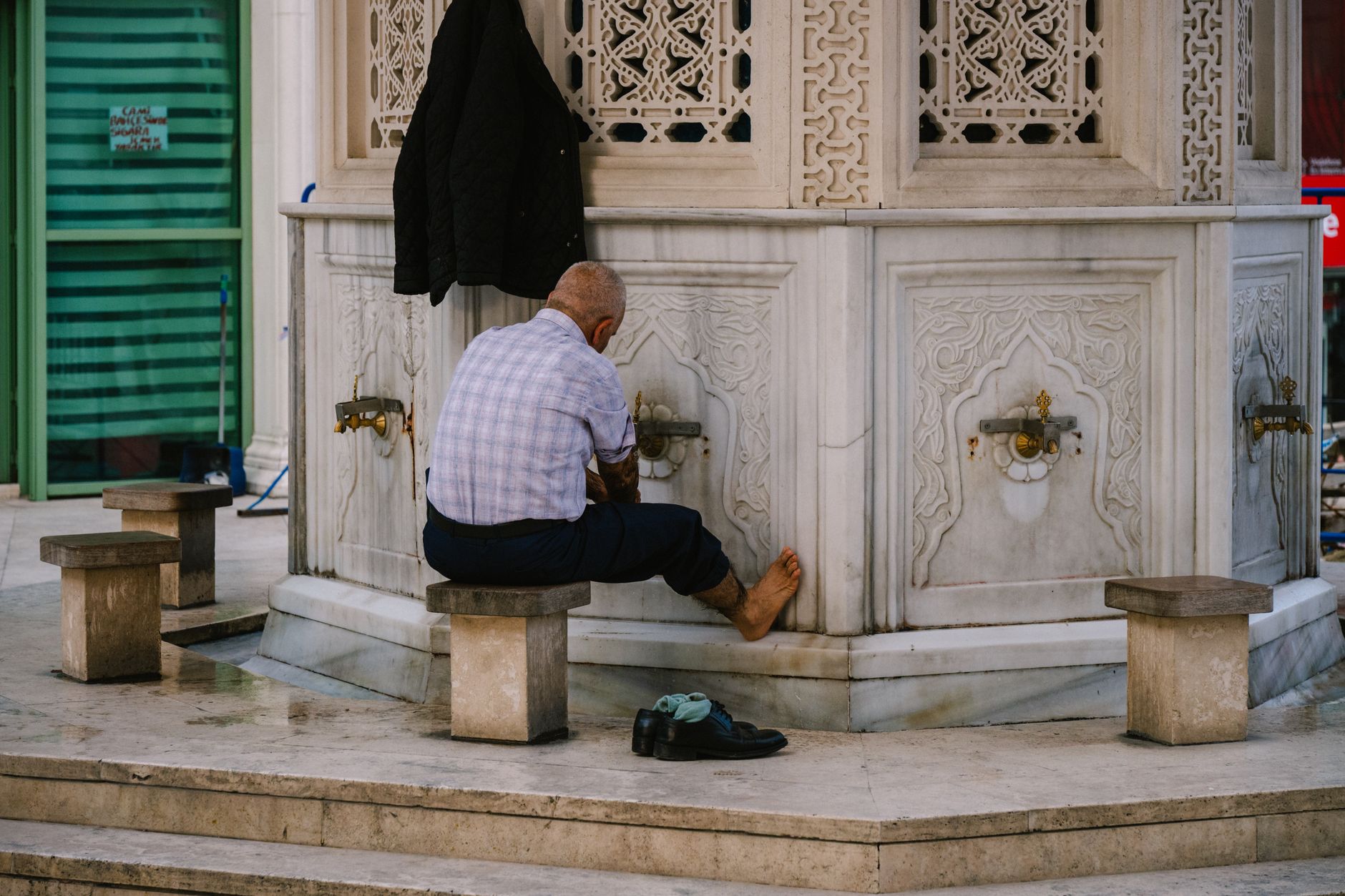
Taharah encompasses both physical cleanliness (naddafah) and ritual purity, which is achieved through specific acts like Wudu (ablution) and Ghusl (ritual bathing). The Quran and Sunnah emphasize its significance repeatedly. Allah (SWT) states in the Quran: “Indeed, Allah loves those who constantly repent and loves those who purify themselves.” (Surah Al-Baqarah, 2:222). Without ritual purity, key acts of worship, most notably salah (prayer), are invalid. Thus, discerning the status of water is not just an academic exercise but a practical necessity for fulfilling our religious duties.
The Foundation: Water in Islamic Jurisprudence
Islamic scholars, drawing from the Quran and the teachings of Prophet Muhammad (peace be upon him), have categorized water based on its origin, state, and interaction with other substances. These classifications dictate whether water can be used for purification, consumption, or if it must be avoided. The core principle revolves around water's natural state of purity and its ability to purify.
Categories of Water: A Fiqh Classification
Generally, water is classified into three main categories concerning Taharah. It's crucial to understand these distinctions to perform purification correctly.
1. Pure and Purifying Water (ماء طهور - Ma' Tahur)
This is the ideal type of water. Ma' Tahur is water that is pure in itself and capable of purifying other things (removing minor impurities - hadath asghar - and major impurities - hadath akbar - and physical impurities - najasah). Its original state, taste, color, or smell has not been altered by an impure substance. This category includes:
- Rainwater: As mentioned in the Quran, “...and We sent down from the sky pure water.” (Surah Al-Furqan, 25:48)
- Seawater: The Prophet (PBUH) said about the sea, “Its water is pure and its dead are lawful.” (Narrated by Abu Dawud, Tirmidhi)
- River Water, Well Water, Spring Water: Water from natural sources.
- Snow and Hail Water: Once melted, they revert to their pure state.
Rulings: This water is permissible for Wudu, Ghusl, cleaning clothes, utensils, and general use. It is the primary water for all acts of Taharah.
2. Pure but Not Purifying Water (ماء طاهر غير مطهر - Ma' Tahir Ghayr Mutahhir)
This water is pure in itself, meaning it is not impure and can be consumed, but it cannot be used for ritual purification (Wudu or Ghusl). Its purifying capacity has been altered, usually by mixing with a pure substance in such a way that it is no longer considered 'water' in its absolute sense, or it has already been used for a previous act of purification.
- Water Mixed with Pure Substances: If water is mixed with a pure substance (e.g., rose water, saffron, soap, tea leaves) to the extent that it loses its identity as pure water, or is given a new name (e.g., 'tea' instead of 'water'). However, if the pure substance does not significantly alter the water's properties and it remains predominantly 'water' (e.g., a tiny drop of rose water in a large amount of water), then it remains Ma' Tahur.
- Used Water (ماء مستعمل - Ma' Musta'mal): This is water that has been used once to remove ritual impurity (e.g., water that drips off the body during Wudu or Ghusl). The majority of scholars consider this water pure but not purifying, meaning it cannot be used for a subsequent Wudu or Ghusl. However, it can be used for cleaning physical impurities (najasah) or general non-purificatory purposes.
Rulings: This water can be drunk, used for cooking, or cleaning non-ritual impurities. It cannot be used for Wudu or Ghusl.
3. Impure Water (ماء نجس - Ma' Najis)
Ma' Najis is water that has become contaminated with an impure substance (najasah), such as urine, blood, or alcohol, and has subsequently changed one or more of its three properties: taste, color, or smell. If a small amount of impure substance falls into a large quantity of water (e.g., a large pool or flowing river) and does not alter its properties, then the water generally remains Ma' Tahur according to many scholars. However, if the water is a small quantity (e.g., a glass or small bucket), even if its properties are not visibly changed, it becomes Ma' Najis by contact with impurity according to some schools.
Rulings: This water cannot be used for Wudu, Ghusl, drinking, cooking, or cleaning. It must be avoided for any purpose where purity is required.
| Type of Water | Description | Permissible for Wudu/Ghusl | Permissible for Drinking/General Use |
|---|---|---|---|
| Ma' Tahur (Pure & Purifying) | Natural water (rain, sea, river, well, snow, hail) whose properties are unchanged by impurity. | Yes (Removes Hadath & Najasah) | Yes |
| Ma' Tahir Ghayr Mutahhir (Pure but Not Purifying) | Water mixed with pure substance changing its nature, or used water (Musta'mal). | No | Yes |
| Ma' Najis (Impure) | Water contaminated by impurity, changing its taste, color, or smell (or small quantity, even if unchanged, by some). | No | No |
Nuances and Practical Rulings
Water Mixed with Pure Substances: Detailed View
The key here is whether the added pure substance transforms the water's name and nature. If the water remains predominantly 'water' despite the addition (e.g., adding a small amount of soap for scent, without forming suds or significantly altering consistency), it generally remains Ma' Tahur. If the mixture results in a new substance (e.g., soup, juice), it becomes Ma' Tahir Ghayr Mutahhir.
The Ruling of Doubt
If a Muslim is in doubt about the purity of water (e.g., unsure if an impurity fell into it), the default ruling is that the water remains pure (tahir) until proven otherwise. This principle of Istishab (presumption of continuity) is vital in fiqh. However, if there is strong evidence or certainty of impurity, then it must be treated as such.
Water and the Broader Islamic Lifestyle
Understanding the rulings of water is a fundamental step towards practicing Islam correctly. It empowers believers to perform their daily Prayer Times with confidence, knowing their purification is valid. Beyond ritual purity, Islam encourages cleanliness in all aspects of life. Just as we seek physical cleanliness through water, we are encouraged to purify our hearts and intentions. For those seeking to deepen their understanding of Islamic practices, resources like the Qibla Finder ensure correct prayer direction, while tools such as the Zakat Calculator and Inheritance Calculator provide guidance on purifying wealth and fulfilling societal obligations. These comprehensive tools underscore Islam's holistic approach to life, integrating spiritual devotion with practical guidance.
Conclusion
The rulings concerning water are a testament to the meticulous and practical nature of Islamic jurisprudence. By understanding the categories of water – Ma' Tahur, Ma' Tahir Ghayr Mutahhir, and Ma' Najis – and their specific applications, Muslims can confidently perform Taharah, ensuring the validity of their acts of worship. This detailed guide aims to illuminate these essential principles, fostering a stronger foundation for spiritual practice and adherence to the pure teachings of Islam. May Allah (SWT) grant us understanding and facilitate our journey towards ultimate purity, both inward and outward.
Expertly curated by the Muslim Tools team
© 2026 Muslim Tools. All rights reserved.