
The Spiritual Practice of Salawat: Blessings and Benefits of Sending Peace Upon the Prophet (PBUH) Consistently
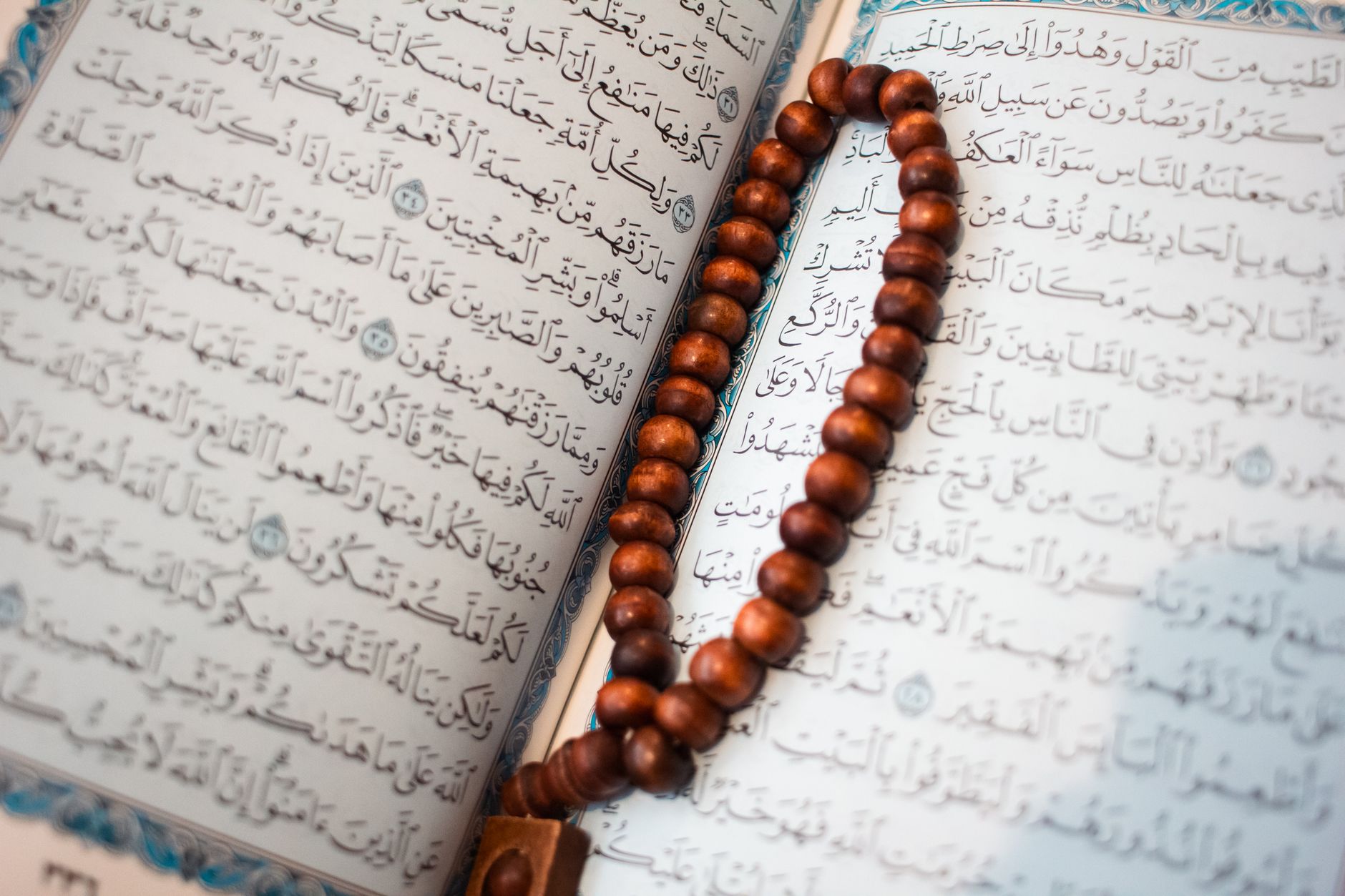
In the vast ocean of Islamic spirituality, certain acts of worship stand as beacons, guiding the believer towards profound closeness with their Creator and His beloved Prophet. Among these luminous practices, Salawat (also known as Durood in some regions) holds a uniquely exalted position. It is far more than a mere utterance; it is a spiritual invocation, a prayer of peace and blessings upon the Prophet Muhammad (peace be upon him - PBUH), an expression of love, reverence, and gratitude that reverberates through the cosmos.
This article delves deep into the spiritual practice of Salawat, uncovering its divine foundations, the myriad blessings it bestows, and the transformative benefits of making it a consistent part of one’s daily life. Our goal is to illuminate why Salawat is not just recommended, but an indispensable key to unlocking divine mercy, inner peace, and a profound connection with the legacy of prophethood.
The Divine Command and Prophetic Endorsement
The significance of Salawat is underscored by a direct divine command in the Holy Quran. Allah (SWT) says in Surah Al-Ahzab (33:56):
“Indeed, Allah confers blessing upon the Prophet, and His angels [ask Him to do so]. O you who have believed, ask [Allah to confer] blessing upon him and ask [Allah to grant him] peace.”
This verse unequivocally establishes Salawat as an act beloved by Allah Himself and His angels. For believers, it is an invitation to join this divine chorus, to participate in an act of cosmic veneration. The Prophet Muhammad (PBUH) further elaborated on its virtues through numerous Hadith:
- He said: “Whoever sends blessings upon me once, Allah will send blessings upon him tenfold, and will erase ten sins from him, and will raise him ten degrees in status.” (Sunan An-Nasa’i)
- Another Hadith states: “The closest of people to me on the Day of Resurrection will be those who send the most blessings upon me.” (At-Tirmidhi)
These texts reveal Salawat not just as a recommendation, but as a direct pathway to divine favor, purification, and elevated spiritual standing.
Dimensions of Salawat: More Than Just Words
The blessings of Salawat extend across multiple dimensions of a believer’s life, touching the spiritual, emotional, and social spheres:
1. Spiritual Purification and Elevation
Consistent Salawat acts as a spiritual cleanser. Each utterance purifies the heart, erases minor sins, and polishes the soul, much like a steady stream cleanses a stone. It elevates one's spiritual rank in the sight of Allah, bringing the believer closer to divine mercy and forgiveness. It's a profound form of remembrance (Dhikr) that transcends mere verbal repetition, engaging the heart and mind.
2. Attracting Divine Mercy and Barakah (Blessings)
When you send blessings upon the Prophet (PBUH), Allah reciprocates with ten-fold blessings upon you. This divine promise ensures an influx of Barakah in one's life – in health, wealth, family, and endeavors. It invokes Allah’s direct attention and mercy, creating an aura of serenity and contentment. This deep connection to divine mercy can be fostered by being mindful of spiritual practices, such as consistently observing your Prayer Times.
3. Cultivating Closeness to the Prophet (PBUH)
Salawat is a tangible expression of love and reverence for the Prophet (PBUH). By sending peace upon him, believers strengthen their bond with him, aspiring to be among those closest to him on the Day of Judgment. This closeness fosters a desire to emulate his Sunnah, deepening one's commitment to Islamic teachings, and reaffirming our commitment to the Quran and Sunnah.
4. Fulfillment of Needs and Answering Du'a
Many scholars recommend preceding and concluding supplications (Du'a) with Salawat. It is believed that Du'as framed with Salawat are more likely to be accepted by Allah. The Prophet (PBUH) himself taught that Salawat removes the veil between the supplicant and Allah, making prayers more potent. It’s a key that unlocks the door of divine acceptance for our most heartfelt requests.
5. Inner Peace and Tranquility
In a world rife with anxiety and stress, Salawat offers a sanctuary of peace. The rhythmic invocation brings calm to the heart and mind, dispelling worries and fostering a sense of spiritual serenity. It connects the individual to a timeless legacy of faith, providing solace and strength, much like finding your spiritual direction using a Qibla Finder helps align your physical prayers.
6. Gratitude and Reviving the Sunnah
Salawat is an act of gratitude to Allah for sending such a magnificent guide, and to the Prophet (PBUH) for his tireless efforts in conveying the message of Islam. Regularly invoking blessings upon him naturally leads to a greater awareness of his Sunnah and an increased desire to live by his example.
Practical Integration: Making Salawat Consistent
To reap the profound benefits of Salawat, consistency is key. Here are practical ways to integrate it into your daily life:
- Daily Zikr: Incorporate specific numbers of Salawat into your morning and evening remembrance routines (e.g., 100 times after Fajr and Asr).
- After Adhan: Recite Salawat after hearing the call to prayer, as taught by the Prophet (PBUH).
- During Du'a: Always begin and end your supplications with Salawat.
- Before Reading Quran: Invoke blessings before engaging with the Holy Book.
- On Fridays (Jummah): Increase your Salawat significantly on Fridays, as it is a particularly virtuous day for this practice.
- During Downtime: Use moments of commute, waiting, or before sleep to make Salawat, even silently.
- Using Tools: Utilize reminder apps or set personal alarms to prompt you to send Salawat throughout the day.
Unveiling Deeper Benefits (An Expert Perspective)
Beyond the readily apparent blessings, a deeper understanding reveals Salawat as a cornerstone of spiritual development:
Intercession (Shafa'ah)
Those who send abundant Salawat upon the Prophet (PBUH) are promised his intercession on the Day of Judgment. This is a profound benefit, offering hope and solace in the face of the ultimate accountability. It's a testament to the Prophet's love for his Ummah and Allah's mercy upon those who honor His messenger.
Forgiveness of Sins and Increase in Rewards
Each Salawat erases sins and adds to one's ledger of good deeds, multiplied by ten. This purification of the soul parallels the purification of wealth achieved through using a Zakat Calculator, both acts fulfilling divine commandments and yielding immense spiritual returns. It's an investment in the hereafter with guaranteed returns.
Protection from Calamities and Trials
Many spiritual masters teach that consistent Salawat acts as a shield against difficulties and a means of easing hardships. By invoking divine blessings, one draws strength and protection, navigating life’s challenges with greater resilience and faith.
Light in the Grave and on the Day of Judgment
The blessings of Salawat extend even beyond this life. It is believed to bring light to the grave and illuminate the path of the believer on the Day of Judgment, guiding them through the darkness with divine favor.
Attainment of Lofty Stations in Jannah
The Hadith about being closest to the Prophet (PBUH) on the Day of Resurrection implies not just proximity, but also shared elevated stations in Paradise. Consistent Salawat is a means to achieve these lofty ranks, just as principles of justice are upheld through tools like an Inheritance Calculator, ensuring fair distribution and ultimately, divine pleasure.
Conclusion
The spiritual practice of Salawat is a boundless reservoir of blessings, a profound act of worship that connects the believer directly to Allah and His beloved Prophet Muhammad (PBUH). It is a path to spiritual purification, divine mercy, inner tranquility, and a promise of intercession and elevated status in the hereafter. By consistently sending peace and blessings upon the Prophet, we not only fulfill a divine command but also enrich our lives with unparalleled spiritual grace.
Let us endeavor to make Salawat a vibrant, living part of our daily routine, transforming our lives and preparing us for a blissful encounter with our Lord and His noble Messenger. May Allah enable us to be among those who send abundant Salawat upon the Prophet Muhammad (PBUH).
Expertly curated by the Muslim Tools team
© 2026 Muslim Tools. All rights reserved.