
Tibbun Nabawi for Modern Ailments: Exploring Prophetic Remedies Beyond Diet for Holistic Well-being
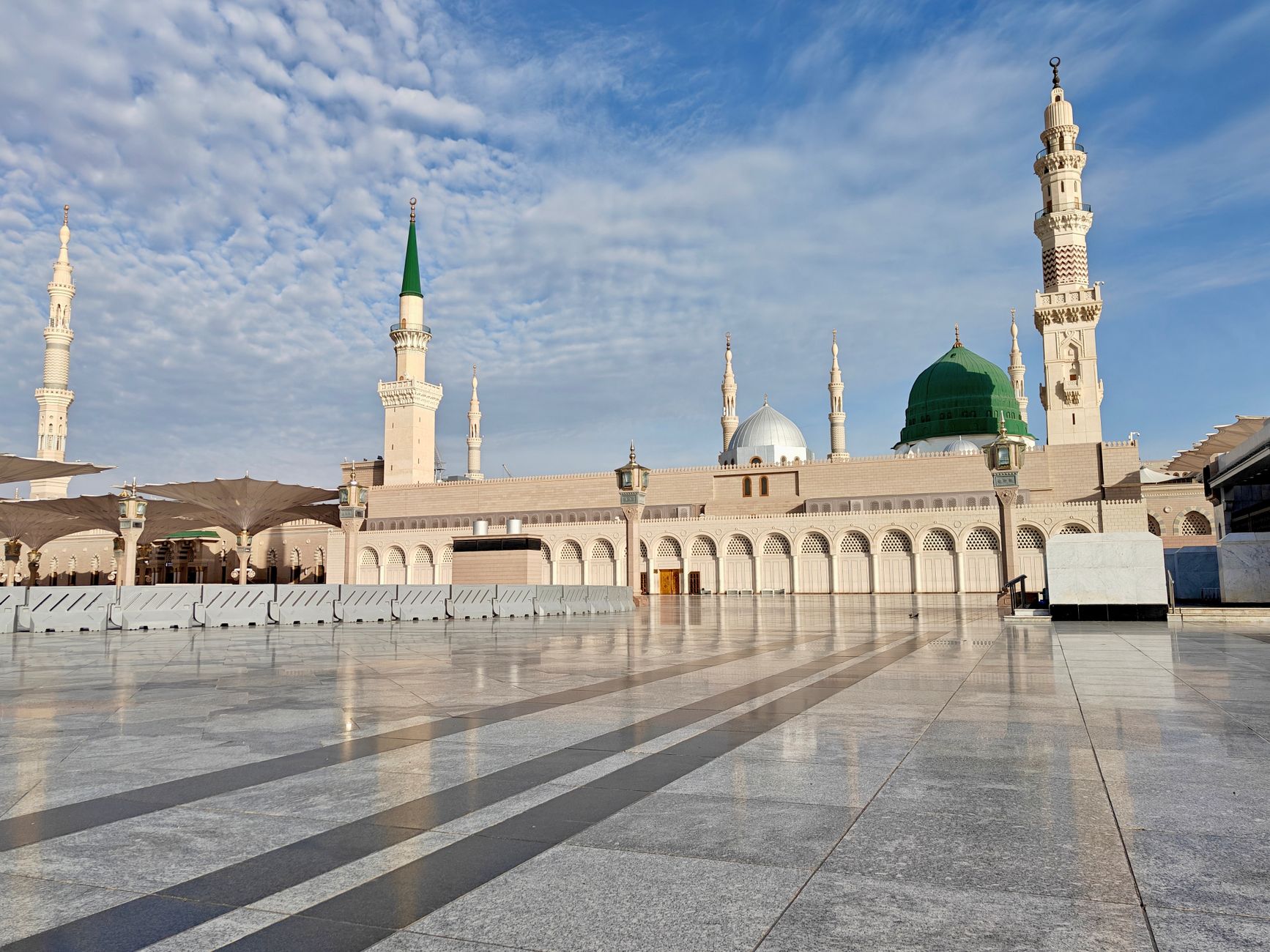
Tibbun Nabawi for Modern Ailments: Exploring Prophetic Remedies Beyond Diet for Holistic Well-being
The modern world, with its relentless pace and complex challenges, often leaves individuals grappling with a myriad of physical, mental, and spiritual ailments. From chronic stress and anxiety to immune deficiencies and lifestyle diseases, the search for sustainable well-being is more urgent than ever. While contemporary medicine offers incredible advancements, many are turning to ancient wisdom, seeking complementary pathways to health. Among these, Tibb an-Nabawi (Prophetic Medicine) stands out as a comprehensive system rooted in divine revelation and the pristine example of Prophet Muhammad (peace be upon him).
Often, discussions around Tibb an-Nabawi emphasize dietary aspects – the benefits of dates, honey, olive oil, and specific eating habits. However, its scope is far broader, encompassing a rich tapestry of physical practices, spiritual disciplines, and mental fortitude that collectively contribute to profound holistic well-being. This article aims to delve into these lesser-explored dimensions of Tibb an-Nabawi, moving beyond diet to uncover Prophetic remedies and lifestyle practices that offer potent solutions for modern ailments, fostering a harmonious balance between body, mind, and soul.
The Holistic Framework of Tibb an-Nabawi
Tibb an-Nabawi is not merely a collection of remedies; it's a holistic philosophy of life that views human beings as an intricate blend of spirit, mind, and body. Its approach to health is inherently integrated, recognizing that a disturbance in one aspect inevitably impacts the others. The Prophet Muhammad (PBUH) taught balance (mizan), moderation (wasatiyyah), and a deep connection to Allah (Tawhid) as fundamental to a healthy existence.
This framework prioritizes prevention, hygiene, and a proactive stance towards health, emphasizing spiritual purity as the foundation for physical vitality. Practices like wudu (ablution) before prayers, the emphasis on cleanliness, and the rhythmic structure of daily life guided by Islamic worship all contribute to this preventative ethos. The Prophet (PBUH) emphasized the importance of regular prayers, which are not just spiritual obligations but also provide rhythmic breaks and mental refocus throughout the day. Adhering to daily Prayer Times can bring structure and calm to a busy life, mitigating stress and fostering a sense of peace. The spiritual connection forged through prayer, wherever one may be, is critical; for Muslims across the globe, a reliable Qibla Finder ensures that every prayer connects them universally, fostering a sense of unity and purpose, which in itself is a source of emotional well-being.
Prophetic Remedies for Modern Physical Ailments: Beyond Diet
While diet is foundational, Tibb an-Nabawi offers an array of external and internal remedies that extend far beyond what we consume. These remedies have stood the test of time, with many now gaining recognition from modern scientific research.
Hijama (Cupping Therapy)
Hijama, or wet cupping, is perhaps one of the most prominent non-dietary Prophetic remedies. The Prophet Muhammad (PBUH) not only practiced Hijama himself but also strongly recommended it, declaring it "the best of remedies."
- Mechanism: It involves placing cups on specific points of the body, creating suction, and then making small superficial incisions to draw out a small amount of stagnant blood.
- Modern Relevance: Today, Hijama is recognized in various cultures and by some medical professionals for its potential benefits in treating a wide range of conditions, including chronic pain (back pain, headaches, fibromyalgia), muscle stiffness, inflammation, high blood pressure, and even certain dermatological issues. It is believed to improve blood circulation, remove toxins, and stimulate the immune system.
Black Seed (Nigella Sativa)
Referred to by the Prophet (PBUH) as a remedy for "every disease except death," Black Seed (Habba Sawda) is a powerful ingredient often consumed as oil or crushed seeds.
- Mechanism: Its active compound, thymoquinone, is a potent antioxidant and anti-inflammatory agent.
- Modern Relevance: Scientific studies have explored its efficacy in bolstering the immune system, improving respiratory conditions (like asthma and allergies), managing diabetes, reducing inflammation, supporting digestive health, and exhibiting anti-cancer properties. It's a versatile remedy with systemic benefits.
Honey
While often consumed, honey also serves as a powerful external remedy. The Quran itself describes honey as a "healing for mankind."
- Mechanism: Honey possesses strong antibacterial, anti-inflammatory, and wound-healing properties due to its osmotic effect, acidity, and presence of hydrogen peroxide.
- Modern Relevance: Beyond its use as a sweetener, medical-grade honey is used in modern wound care for burns, ulcers, and surgical incisions. It's also excellent for soothing sore throats, coughs, and as a topical application for skin conditions.
Olive Oil
The olive tree is blessed in Islam, and its oil is revered for both internal consumption and external application.
- Mechanism: Rich in monounsaturated fatty acids and antioxidants, particularly polyphenols.
- Modern Relevance: Externally, olive oil is a natural moisturizer for skin and hair. It's used for massage, providing relief for muscle aches, and improving skin elasticity. Internally, its benefits for cardiovascular health are widely recognized.
Sidr Leaves (Lote Tree Leaves)
Less commonly discussed but significant in specific Prophetic practices, particularly for spiritual cleansing (Ruqyah) and physical purification.
- Mechanism: Sidr leaves contain saponins, natural cleansing agents, and have mild antiseptic properties.
- Modern Relevance: Traditionally used in washes for purification (e.g., ghusl for the deceased) and for those affected by evil eye or magic. Physically, it can be used in shampoos or soaps for its cleansing and soothing effects on skin and hair, particularly for conditions like dandruff or skin irritations.
Zamzam Water
The blessed water from the well of Zamzam in Makkah is revered for its unique properties.
- Mechanism: While its exact scientific properties are still studied, it is known to contain higher levels of certain minerals compared to regular water. Its spiritual significance is paramount.
- Modern Relevance: Muslims worldwide consume Zamzam water for healing and blessings. Many attest to its restorative properties for various ailments, often attributed to its spiritual power and mineral content. It serves as a reminder of Allah's mercy and provision.
Kohl/Antimony (Ithmid)
The Prophet (PBUH) encouraged the use of Ithmid (antimony) for the eyes, particularly before sleep.
- Mechanism: Believed to strengthen eyesight, clear vision, and promote healthy eye function.
- Modern Relevance: While modern kohl might contain lead (which should be avoided), pure Ithmid has a long history of use for eye health and hygiene, potentially acting as an antiseptic and protecting the eyes from dust and glare.
| Remedy | Prophetic Guidance | Key Benefits & Modern Relevance |
|---|---|---|
| Hijama (Cupping) | "The best of remedies" | Pain relief, toxin removal, improved circulation, immune stimulation. |
| Black Seed | "A cure for every disease except death" | Immune booster, anti-inflammatory, respiratory health, anti-cancer potential. |
| Honey | "Healing for mankind" | Antibacterial, wound healing, soothing coughs, skin conditions. |
| Olive Oil | Blessed tree, internal & external use | Skin & hair moisturizer, muscle ache relief, cardiovascular health. |
| Sidr Leaves | Used for purification & cleansing | Spiritual cleansing, antiseptic, soothing skin & hair. |
| Zamzam Water | Blessed, unique properties | Restorative, spiritual healing, mineral content for vitality. |
| Kohl (Ithmid) | Encouraged for eye health | Strengthens eyesight, protects eyes, potentially antiseptic. |
Prophetic Approaches to Mental and Emotional Well-being
The impact of Tibb an-Nabawi on mental and emotional health is profound, offering antidotes to the pervasive stress, anxiety, and depression prevalent in contemporary society.
Remembrance of Allah (Dhikr)
Constant remembrance of Allah through specific phrases like "Subhanallah," "Alhamdulillah," "Allahu Akbar," and "La ilaha illallah" is a cornerstone of Islamic spirituality.
- Mechanism: Dhikr shifts focus from worldly worries to divine presence, promoting mindfulness and inner peace.
- Modern Relevance: Comparable to meditation, dhikr significantly reduces stress, lowers anxiety levels, and cultivates a sense of gratitude and contentment. It's a powerful tool for mental clarity and emotional regulation.
Trust in Allah (Tawakkul)
Tawakkul is the sincere reliance on Allah after taking all necessary means. It's an antidote to overwhelming worry and fear.
- Mechanism: Understanding that ultimate control rests with Allah frees the individual from excessive worry about outcomes.
- Modern Relevance: Cultivating tawakkul helps individuals cope with uncertainty, reduces chronic anxiety, and builds resilience in the face of adversity. It empowers one to act while accepting divine decree.
Patience (Sabr) and Gratitude (Shukr)
These two virtues are frequently highlighted in the Quran and Sunnah as pillars of spiritual and emotional strength.
- Mechanism: Sabr enables endurance through hardship, while shukr fosters appreciation for blessings, both small and large.
- Modern Relevance: Practicing patience and gratitude profoundly impacts mental health, helping to reframe challenges and appreciate life's positives, significantly reducing feelings of despair and envy.
Community and Brotherhood/Sisterhood
Islam places a strong emphasis on community (Ummah) and social bonds.
- Mechanism: Belonging to a supportive community provides a sense of identity, mutual aid, and reduces feelings of isolation.
- Modern Relevance: In an increasingly individualistic society, strong social connections are vital for mental health, combating loneliness and providing a network of support during difficult times. This communal spirit is evident in congregational prayers and acts of shared worship.
Charity (Sadaqah and Zakat)
Giving from one's wealth, whether obligatory (Zakat) or voluntary (Sadaqah), has immense spiritual and psychological benefits. The act of giving charity, especially Zakat, purifies wealth and soul, leading to profound spiritual and mental peace. For those looking to fulfill this pillar, using a precise Zakat Calculator ensures proper distribution and maximizes its spiritual benefits, easing burdens and promoting a sense of communal responsibility.
- Mechanism: Giving activates reward centers in the brain, fostering feelings of happiness, purpose, and empathy. It also cleanses the giver's wealth and character.
- Modern Relevance: Philanthropy and acts of kindness are well-documented to improve mood, reduce stress, and increase overall life satisfaction.
Spiritual Dimensions of Healing
At the core of Tibb an-Nabawi's holistic approach is the inseparable link between physical health and spiritual vitality.
Du'a (Supplication)
Du'a is the essence of worship, a direct plea to Allah, seeking His intervention, mercy, and healing.
- Mechanism: Expressing one's needs and fears to the Creator alleviates psychological burden, strengthens faith, and provides solace.
- Modern Relevance: The act of supplication is a potent form of stress management and an affirmation of faith, offering hope and empowerment in challenging situations.
Quranic Recitation
The Quran itself is described as a 'healing and mercy for the believers,' offering guidance, solace, and spiritual remedies for both the heart and the body. Its verses provide comfort, knowledge, and a direct connection to divine wisdom. Listening to or reciting the Quran has profound effects on the heart and mind.
- Mechanism: The rhythmic recitation and profound meanings of the Quran bring tranquility, cleanse the heart, and strengthen one's connection to the Divine.
- Modern Relevance: Research suggests that listening to sacred texts can have a calming effect on the nervous system, reduce pain perception, and improve mood. For believers, it is a source of spiritual energy and direct healing.
Istikhara (Seeking Guidance)
A special prayer seeking Allah's guidance in decision-making, particularly when facing important choices.
- Mechanism: It promotes trust in divine wisdom and helps alleviate anxiety associated with making significant life decisions.
- Modern Relevance: Performing Istikhara cultivates a deep sense of peace by entrusting outcomes to Allah, reducing internal conflict and regret.
Integrating Tibb an-Nabawi with Modern Medicine
It is crucial to understand that Tibb an-Nabawi is not a replacement for competent modern medical care, especially for acute or severe conditions. Rather, it serves as a powerful complementary approach, enhancing well-being and supporting recovery. The Prophet (PBUH) himself encouraged seeking treatment, stating, "For every disease there is a cure."
The wisdom of Tibb an-Nabawi encourages us to understand the root causes of our ailments, viewing them as opportunities for reflection and spiritual growth, even as we diligently seek remedies. Integrating Prophetic practices into a modern lifestyle means:
- Consulting Medical Professionals: Always seek qualified medical advice for diagnoses and conventional treatments.
- Embracing Preventative Measures: Leverage Tibb an-Nabawi's emphasis on lifestyle, diet, hygiene, and spiritual well-being to prevent illness.
- Holistic Healing: Use Prophetic remedies and spiritual practices to complement medical treatments, addressing the spiritual and mental dimensions alongside the physical.
Practical Steps for Implementation & Holistic Islamic Living
Embracing Tibb an-Nabawi in daily life involves conscious choices and a holistic perspective:
- Daily Rituals: Incorporate regular
dhikr, Quranic recitation, and sinceredu'ainto your routine. - Mindful Consumption: While this article focuses beyond diet, remember that conscious eating, avoiding excess, and consuming wholesome foods blessed in Islam (like honey, olives, dates) are still foundational.
- Physical Activity: The Prophet (PBUH) encouraged physical fitness through activities like swimming, archery, and horse riding, emphasizing a strong, active body.
- Seeking Knowledge: Learn more about the Sunnah and its practical applications for health.
- Community Engagement: Actively participate in community life and foster strong familial bonds.
- Managing Affairs: Beyond physical and spiritual health, peace of mind also comes from managing one's worldly affairs responsibly. While not directly a health remedy, managing one's affairs according to Islamic principles, including understanding and planning for the distribution of assets through an Inheritance Calculator, provides peace of mind and reduces future anxieties for individuals and their families. This foresight in worldly matters contributes to overall well-being by removing potential sources of conflict and stress.
Conclusion
Tibb an-Nabawi offers an invaluable treasure trove of wisdom for achieving holistic well-being in an increasingly complex world. Far from being a relic of the past, its comprehensive framework – encompassing physical remedies, mental resilience, and profound spiritual connection – provides enduring solutions for modern ailments. By exploring remedies beyond diet, such as Hijama, Black Seed, honey as a topical agent, and the transformative power of dhikr and Quranic healing, we can unlock a deeper, more integrated path to health. Embracing Tibb an-Nabawi is an invitation to live a life aligned with divine guidance, fostering not just physical health, but also enduring peace of mind and spiritual vitality. It is a testament to the timeless and universal wisdom embedded in the Sunnah, offering profound healing for all aspects of the human experience.
Expertly curated by the Muslim Tools team
© 2026 Muslim Tools. All rights reserved.