
Training Future Khateebs: Mastering Islamic Public Speaking and Community Leadership Skills
Introduction: The Sacred Trust of the Khateeb
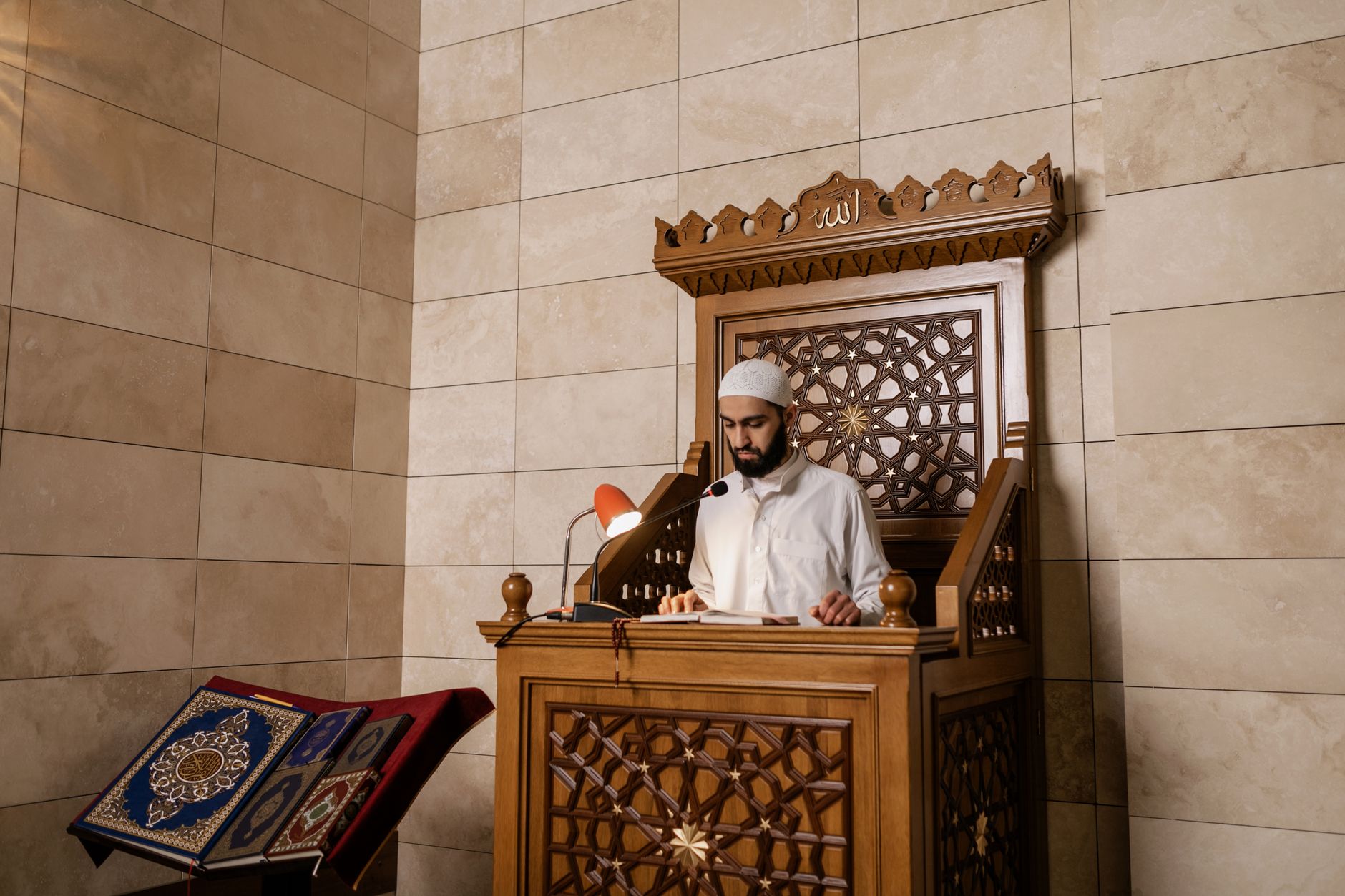
In the heart of every Muslim community, the Khateeb stands as a beacon of guidance, spiritual nourishment, and intellectual enlightenment. More than just a deliverer of the weekly Friday sermon (Khutbah), a Khateeb is a multifaceted figure: a spiritual mentor, an educator, a counselor, and a societal leader. The immense responsibility of inspiring faith, upholding moral values, and providing practical direction in an increasingly complex world necessitates a rigorous and comprehensive approach to training future Khateebs. This comprehensive guide explores the multifaceted journey of cultivating profound Islamic knowledge, exceptional Islamic public speaking prowess, and robust community leadership skills, essential for empowering the next generation of spiritual guides.
The Indispensable Role of a Khateeb in Modern Society
From the time of Prophet Muhammad (peace be upon him), the pulpit (minbar) has been a vital platform for conveying divine messages, uniting the community, and addressing contemporary challenges. Today, the role of the Khateeb is more critical than ever. In an era marked by rapid social change, digital misinformation, and spiritual confusion, Khateebs serve as a crucial interface between Islamic tradition and modern realities. They are tasked with:
- Preserving and Transmitting Islamic Knowledge: Ensuring the accurate understanding and practice of the Quran and Sunnah.
- Nurturing Spiritual Growth: Inspiring individuals to deepen their connection with Allah and cultivate Taqwa (God-consciousness).
- Addressing Contemporary Issues: Providing Islamic perspectives on social justice, ethics, family dynamics, and global challenges.
- Fostering Community Cohesion: Uniting diverse congregants, resolving conflicts, and promoting civic engagement.
- Representing Islam: Serving as articulate and compassionate ambassadors of the faith to the wider society.
Given these weighty responsibilities, the haphazard development of Khateebs is no longer an option. Structured, expert-driven training is paramount.
Core Pillars of Comprehensive Khateeb Training
Effective Khateeb training programs must be holistic, addressing both the inner spiritual development and the outward practical skills. Here are the core pillars:
1. Deepening Islamic Knowledge (Ilm)
A Khateeb's authority stems from their profound understanding of the Deen. This foundation is non-negotiable:
- Quranic Mastery: Aspiring Khateebs must not only possess a deep understanding of its verses and their exegesis but also master its recitation with Tajweed, allowing them to convey the profound messages of the Holy Quran with clarity and spiritual resonance. This includes Tafsir (exegesis) and its practical application.
- Sunnah & Hadith: Thorough study of the Prophet's (PBUH) life, teachings, and methodology, understanding the context and authenticity of Hadith.
- Fiqh (Islamic Jurisprudence): A strong grasp of Islamic law is essential for offering sound guidance on personal, social, and ethical matters. This includes knowledge of specific applications, such as the intricacies of Zakat calculations and its proper distribution, which is a crucial aspect of their community leadership responsibilities, ensuring economic justice and social welfare.
- Seerah (Prophetic Biography) & Islamic History: Learning from the rich history of Islam provides context, wisdom, and inspiration for addressing modern challenges.
- 'Aqeedah (Islamic Creed): A firm foundation in the core tenets of Islamic belief to safeguard against deviations and strengthen the faith of the congregation.
- Arabic Language: Mastery of classical Arabic is fundamental for engaging directly with primary Islamic texts.
2. Mastering Islamic Public Speaking (Khutbah & Oratory)
Even with profound knowledge, an inability to articulate it effectively diminishes impact. This pillar focuses on delivery:
- Khutbah Structure & Content: Learning to craft compelling sermons with clear introductions, well-supported arguments, powerful conclusions, and timely supplications (du'a). Relevance to the audience and contemporary issues is key.
- Rhetoric & Delivery: Developing a commanding yet compassionate voice, mastering voice projection, tone, pace, and articulation. Understanding the art of persuasive speech and ethical rhetoric (balaghah).
- Body Language & Presence: Non-verbal communication is vital. Aspiring Khateebs learn effective gesturing, eye contact, and posture that convey confidence and sincerity.
- Audience Engagement: Techniques for connecting with diverse congregants, using storytelling, parables, and real-life examples to make complex concepts accessible and relatable.
- Overcoming Stage Fright: Practical exercises and psychological strategies to manage anxiety and deliver with confidence.
3. Developing Community Leadership & Pastoral Care Skills
A Khateeb is not just a speaker but a shepherd of their community, requiring a broad set of leadership skills:
- Understanding Community Needs: Skills in active listening, conducting needs assessments, and fostering dialogue to identify and address the real challenges faced by congregants.
- Conflict Resolution & Counseling: Training in mediation, empathetic listening, and providing compassionate Islamic guidance for personal and familial disputes. Complex personal and family matters also fall under the purview of a Khateeb's advisory role. Providing counsel on sensitive issues like Islamic inheritance laws (Fara'id) requires meticulous knowledge and the ability to explain intricate legal principles fairly and compassionately, upholding justice within families.
- Youth & Family Engagement: Developing programs and strategies to attract and retain youth, strengthen family bonds, and provide guidance specific to different age groups.
- Interfaith & Outreach: Cultivating skills to represent Islam positively in broader society, engage in respectful interfaith dialogue, and perform Dawah (invitation to Islam) effectively.
- Practical Guidance: Beyond sermons, Khateebs offer practical spiritual and logistical advice. For a Khateeb, a deep personal connection with Allah is paramount, nurtured through consistent worship. Adherence to the five daily prayers is fundamental for any Muslim, and knowing the exact prayer times is essential for personal discipline, leading congregational prayers, and guiding the community in their spiritual routine. Furthermore, when travelling or in new environments, the ability to quickly and accurately determine the Qibla direction is not just convenient but a necessity for ensuring the community's prayers are properly oriented.
Effective Methodologies for Khateeb Training Programs
For aspiring Khateebs to truly master these skills, the training methodology must be robust and engaging:
- Mentorship Programs: Pairing emerging Khateebs with experienced scholars and imams for personalized guidance, observation, and feedback.
- Intensive Workshops & Seminars: Focused sessions on specific skills like advanced Tafsir, Fiqh of contemporary issues, rhetoric, or counseling techniques.
- Peer-to-Peer Learning & Feedback: Creating environments where trainees can practice delivering sermons to each other and receive constructive criticism in a supportive setting.
- Simulated Khutbahs & Real-World Practice: Opportunities to deliver sermons in front of a small audience before moving to larger congregations, gradually building confidence.
- Continuous Professional Development (CPD): Emphasizing lifelong learning, encouraging participation in conferences, advanced courses, and staying updated with global affairs.
Key Skills for Future Khateebs: A Summary
To summarize, the journey of becoming an impactful Khateeb requires dedication across several domains:
| Skill Category | Key Competencies | Development Strategies |
|---|---|---|
| Islamic Knowledge | Quranic sciences, Hadith, Fiqh, Seerah, 'Aqeedah, Arabic Language | Structured madrasah/university study, advanced institutes, self-study, scholarly mentorship |
| Public Speaking | Articulation, voice control, body language, rhetoric, storytelling, audience engagement | Speech workshops, simulated sermons, public speaking courses, video analysis & feedback |
| Community Leadership | Empathy, conflict resolution, counseling, administration, outreach, program development | Volunteering, community projects, leadership seminars, mentorship, communication training |
| Pastoral Care | Active listening, empathy, crisis intervention, guidance on Fiqh, ethical decision-making | Counseling training, shadowing imams, case studies, ethics workshops, communication skills |
| Personal Development | Taqwa, sincerity, humility, time management, emotional intelligence, critical thinking | Spiritual retreats, self-reflection, journaling, mentorship, consistent worship |
Addressing Challenges and The Future of Khateeb Training
While the need for trained Khateebs is evident, several challenges persist:
- Lack of Standardized Curricula: Many programs lack a universally recognized curriculum, leading to inconsistencies in training quality.
- Balancing Tradition & Modernity: The struggle to equip Khateebs with traditional knowledge while also making them relevant to contemporary, secularized societies.
- Funding & Resources: Comprehensive training programs require significant investment in qualified trainers, facilities, and educational materials.
- Attracting Talent: Encouraging bright, committed young Muslims to pursue this demanding path.
The future of Khateeb training must embrace innovation. This includes leveraging digital platforms for outreach and learning, integrating media literacy into curricula, and preparing Khateebs to address online challenges like extremism and misinformation. The Khateeb of tomorrow will be a tech-savvy spiritual guide, deeply rooted in tradition yet acutely aware of the digital age's demands.
Conclusion: Investing in Spiritual Guardians
The role of the Khateeb is a sacred trust, bearing the responsibility of guiding and nurturing the Muslim Ummah. Investing in robust, comprehensive programs for training future Khateebs is not merely an educational endeavor but an act of collective responsibility towards the spiritual well-being and intellectual vibrancy of our communities. By empowering them to master Islamic public speaking and embody exemplary community leadership skills, we ensure that the light of Islamic guidance continues to shine brightly, inspiring generations and fostering communities grounded in faith, knowledge, and compassion.
Expertly curated by the Muslim Tools team
© 2026 Muslim Tools. All rights reserved.