
Zakat on Digital Assets: A Fiqh Guide for Cryptocurrency, NFTs, and Online Earnings in the Modern Age
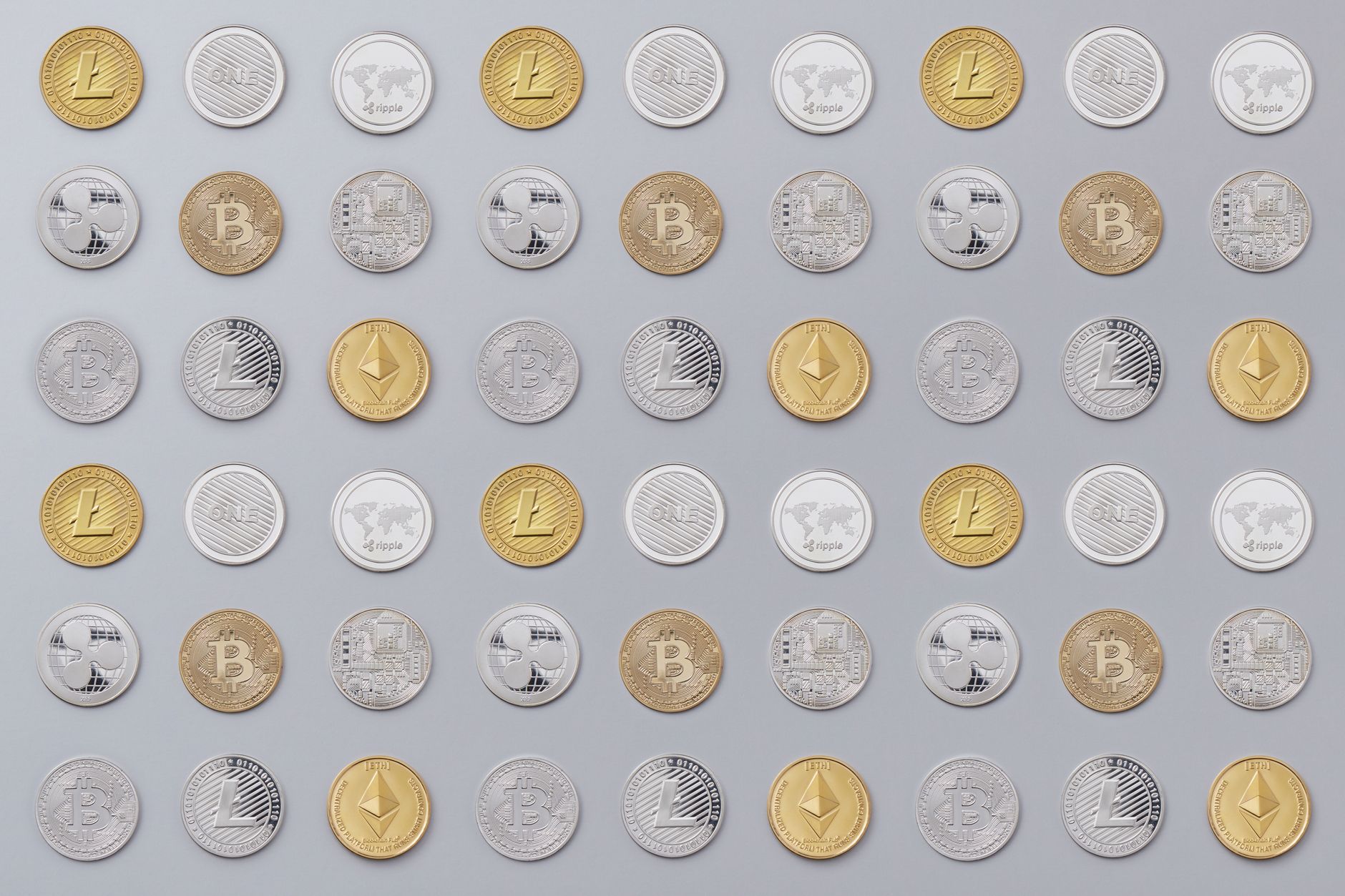
In an age where wealth transcends physical commodities and borders, the traditional tenets of Islamic finance face new frontiers. From the volatile world of cryptocurrencies to the burgeoning market of Non-Fungible Tokens (NFTs) and the diverse streams of online earnings, Muslims are increasingly asking: "How do I fulfill my Zakat obligation on these digital assets?" As a pillar of Islam, Zakat is not merely a tax; it is an act of worship, a purification of wealth, and a means of social justice, divinely ordained to circulate wealth among the needy. Just as a Muslim meticulously observes their daily Prayer Times and uses a Qibla Finder to orient themselves in worship, so too must they orient their financial dealings according to Sharia, particularly concerning Zakat.
This comprehensive guide delves into the intricate fiqh (Islamic jurisprudence) surrounding Zakat on Digital Assets. We aim to provide clarity and authoritative guidance for individuals navigating the complexities of modern digital economies, ensuring their wealth purification aligns with the timeless principles enshrined in the Quran and Sunnah.
The Foundational Principles of Zakat in a Digital Age
Zakat is obligatory on specific types of wealth that meet certain conditions: the nisab (minimum threshold) and the hawl (passage of one lunar year). Traditionally, Zakat was levied on gold, silver, livestock, agricultural produce, and trade goods. The core principle remains that productive or accumulating wealth, after meeting basic needs and debts, should be purified. The challenge today lies in categorizing digital assets within these established fiqh frameworks.
Scholars approach new financial instruments by drawing analogies (qiyas) to existing categories or by considering their underlying nature and purpose. Is a cryptocurrency akin to money, a commodity, or a share? Does an NFT represent a tangible asset, a collectible, or merely a digital certificate of ownership? These distinctions are crucial for determining Zakat liability.
Zakat on Cryptocurrencies: Navigating the Digital Frontier
Cryptocurrencies are decentralized digital assets designed to work as a medium of exchange using strong cryptography to secure financial transactions. Their novel nature presents unique challenges for Zakat assessment.
Classifying Cryptocurrencies for Zakat Purposes
The scholarly consensus leans towards categorizing cryptocurrencies based on their intended use and stability, drawing parallels to traditional assets:
- Cryptocurrencies Held for Trading or Speculation (ʿUrūd al-Tijārah): If the primary intention behind acquiring cryptocurrencies like Bitcoin (BTC), Ethereum (ETH), or altcoins is to buy and sell them for profit, they are treated as trade goods. Zakat becomes due on their market value when they meet the nisab and a full hawl has passed since their acquisition. The valuation should be based on their liquid market price on the Zakat due date.
- Stablecoins (e.g., USDT, USDC): These are designed to maintain a stable value relative to a fiat currency (like the USD). Given their peg and stable nature, they are generally treated as equivalent to cash or currency. Zakat is due on their full value if they meet the nisab and hawl.
- Cryptocurrencies Held for Long-Term Investment (Store of Value): This is a point of nuanced debate. Some scholars argue that if held purely as a long-term store of value, not for active trading, they might be treated akin to stocks held for dividend income (where Zakat is due on the dividends and tradeable portion of the shares, not the underlying asset if held purely as capital). However, a more cautious and widely adopted view, especially for highly liquid cryptocurrencies, is to still treat them as trade goods or a form of currency, making Zakat obligatory on their market value after a hawl. This ensures purification of potentially accumulating wealth.
- Staking, Lending, and Yield Farming Earnings: The principal amount held in staking or lending protocols is subject to Zakat as per its classification (trade good or cash). Any earnings generated through these activities (interest/rewards) are also subject to Zakat once received and held for a hawl, provided they meet the nisab, either independently or when combined with other Zakat-able assets.
Key Considerations for Crypto Zakat
- Volatility: Due to the extreme volatility of many cryptocurrencies, the valuation for Zakat purposes should be taken on the exact date the hawl is completed, using the market price at that time.
- Liquidity: While Zakat is generally due on liquid assets, even illiquid crypto assets that are intended for sale or profit generation eventually become Zakat-able upon liquidation or when a clear market value can be ascertained.
- Deductible Debts: Any immediate and verifiable debts related to acquiring or holding these digital assets can be deducted from the total value before calculating Zakat.
Zakat on Non-Fungible Tokens (NFTs): Unique Digital Assets
NFTs represent unique, verifiable digital assets stored on a blockchain. They can range from digital art and collectibles to virtual land, gaming items, and even authenticated documents. Their Zakat assessment depends entirely on their underlying nature and intended use.
Classifying NFTs for Zakat Purposes
- NFTs Held for Trading or Speculation: If an NFT is acquired with the intention of reselling it for profit, it is treated as a trade good (ʿUrūd al-Tijārah). Zakat is due on its market value upon the completion of a hawl, provided it meets the nisab. This applies to most speculative digital art, collectibles, or gaming NFTs.
- NFTs for Personal Use (e.g., Profile Picture NFTs, Digital Art for Display): If an NFT is purchased for personal enjoyment, utility (like a membership token for a community), or as a digital display item without the intention of trade, it is generally not subject to Zakat. This aligns with the fiqh principle that personal belongings, such as one's house, car, or clothing, are exempt from Zakat.
- NFTs Representing Physical Assets or Utility: If an NFT represents ownership of a physical asset (e.g., real estate, a rare watch), then Zakat would apply to the underlying physical asset according to its specific fiqh rules (e.g., Zakat on rental income for real estate, or Zakat on the value if it's a trade good). If it confers certain utility or income-generating rights (e.g., royalties, access to exclusive services), the income generated would be subject to Zakat once accumulated and meeting the nisab and hawl conditions.
Zakat on Online Earnings: The Gig Economy and Content Creation
The rise of the internet has given birth to myriad ways of earning income, from freelancing and content creation (YouTube, blogging) to e-commerce and affiliate marketing. These earnings, while digital, are essentially modern forms of business profit or professional income.
Zakat Rulings for Online Earnings
- Professional Income (Freelancing, Consulting, Ad Revenue, Subscriptions): Earnings from services, ad placements, sponsorships, or subscriptions are treated similarly to traditional salaries or professional fees. Zakat is not due immediately upon receipt. Instead, it becomes due on the accumulated savings from these earnings once they meet the nisab and have been held for a full hawl. Essential living expenses and immediate debts are deducted before assessing the Zakat-able amount.
- E-commerce Profits and Inventory: For those running online stores, the inventory of goods held for sale is considered trade goods (ʿUrūd al-Tijārah). Zakat is due on the wholesale market value of the inventory at the end of the hawl. Profits generated from sales are treated like other business profits, subject to Zakat once accumulated and meeting the nisab and hawl conditions.
- Affiliate Marketing & Royalties: Income derived from affiliate commissions or digital royalties (e.g., from e-books, music, stock photos) is treated as professional income. Zakat applies to the accumulated savings from these earnings after a hawl and meeting the nisab.
Practical Steps to Calculate Zakat on Digital Assets
Calculating Zakat in the modern digital landscape requires diligence and accuracy. Here’s a streamlined approach:
- Determine Your Zakat Due Date (Hawl): This is the date you first acquired Zakat-able wealth that met the nisab. All Zakat-able assets you possess on this date, after a full lunar year, will be assessed.
- Identify All Zakat-able Digital Assets: List all cryptocurrencies (especially those held for trading/investment), NFTs (held for trading), and accumulated savings from online earnings.
- Valuation on Zakat Due Date:
- For cryptocurrencies: Use their current market value against a reliable fiat currency (e.g., USD, local currency) from a reputable exchange.
- For NFTs: Determine their fair market value based on recent sales of similar NFTs or professional appraisals if available. If held for personal use, they are exempt.
- For online earnings: Use the accumulated net savings (after expenses) from these sources.
- Calculate Your Nisab Equivalent: The nisab is currently equivalent to 87.48 grams of pure gold or 612.36 grams of pure silver. Convert this into your local currency using current market rates. Use the lower of the gold or silver nisab for caution and to ensure broader distribution of Zakat.
- Deduct Liabilities: Subtract any immediate, short-term debts or essential living expenses due before your Zakat date from your total Zakat-able wealth.
- Calculate Zakat: If your net Zakat-able digital wealth (and other Zakat-able assets) exceeds the nisab, then Zakat is due at a rate of 2.5% (or 1/40th) of the total amount.
To assist in this complex calculation, especially with fluctuating digital asset values, a reliable Zakat Calculator can be an invaluable tool, simplifying the process and helping you accurately fulfill your obligation.
Summary of Zakat Rulings on Digital Assets
For quick reference, here's a table summarizing the general Zakat rulings:
| Digital Asset Type | Intention/Use | Zakat Ruling | Basis of Valuation |
|---|---|---|---|
| Cryptocurrencies | Trading/Speculation | Zakat due on market value. | 2.5% of market value on Zakat due date. |
| Long-Term Investment (as store of value/currency) | Generally treated as cash/trade goods, Zakat due on market value. | 2.5% of market value on Zakat due date. | |
| Staking/Lending Principal | Zakat due on principal if meets conditions. | 2.5% of principal's market value on Zakat due date. | |
| Staking/Lending Earnings | Zakat due on earnings once received and held for hawl. | 2.5% of earnings' market value on Zakat due date. | |
| NFTs | Trading/Speculation | Zakat due on market value. | 2.5% of market value on Zakat due date. |
| Personal Use/Utility (non-trade) | Generally no Zakat. | N/A (Exempt). | |
| Representing Physical Asset | Zakat follows ruling of underlying asset. | Varies by asset (e.g., rental income for property). | |
| Online Earnings | Freelancing/Content Creation/Ad Revenue/Royalties | Zakat due on accumulated net savings. | 2.5% of accumulated net savings after hawl. |
| E-commerce Inventory | Zakat due on wholesale market value of inventory. | 2.5% of inventory's wholesale market value. |
Nuances and Expert Advice
The world of digital assets is dynamic, and fiqh guidance evolves with it. It is crucial to:
- Stay Informed: Regularly consult with reputable Islamic scholars and institutions specializing in contemporary financial fiqh.
- Err on the Side of Caution: When in doubt regarding Zakat liability on a particular digital asset, it is often safer to pay Zakat, as it acts as purification.
- Maintain Records: Keep meticulous records of your digital asset acquisitions, disposals, and values to facilitate accurate Zakat calculations.
The Spiritual Significance: Beyond the Calculation
While the mechanics of calculating Zakat on Digital Assets may seem complex, the spiritual essence remains profound. Zakat is an acknowledgment that all wealth ultimately belongs to Allah (SWT) and that we are merely its custodians. It purifies our wealth, cleanses our souls, and fosters economic justice by redistributing a portion to the less fortunate. Fulfilling this obligation strengthens our faith and connects us more deeply to our community and the broader purpose of our existence.
Understanding and applying these principles to modern wealth forms is part of a Muslim's comprehensive approach to Islamic living, which also includes adherence to other vital aspects like managing wealth according to Sharia principles, including inheritance distribution, where an Inheritance Calculator can provide clarity and guidance.
Conclusion
The emergence of digital assets presents contemporary Muslims with unique fiqh challenges regarding Zakat. By carefully analyzing the nature and intent behind holding cryptocurrencies, NFTs, and online earnings, scholars have provided frameworks for fulfilling this sacred obligation. While opinions may vary on specific nuances, the overarching principle remains: wealth that is productive or accumulating, and meets the conditions of nisab and hawl, is subject to purification through Zakat.
May Allah (SWT) accept our efforts in striving to fulfill our Zakat obligations in this modern age, granting us clarity and ease in all our affairs.
Expertly curated by the Muslim Tools team
© 2026 Muslim Tools. All rights reserved.